Goldman Sachs says volatility is creating opportunity for clients
Gutman and Shah turned volatility into a mandate: stay on the front foot, keep clients active, and keep work flowing. For Goldman bankers, uncertainty is the workload.

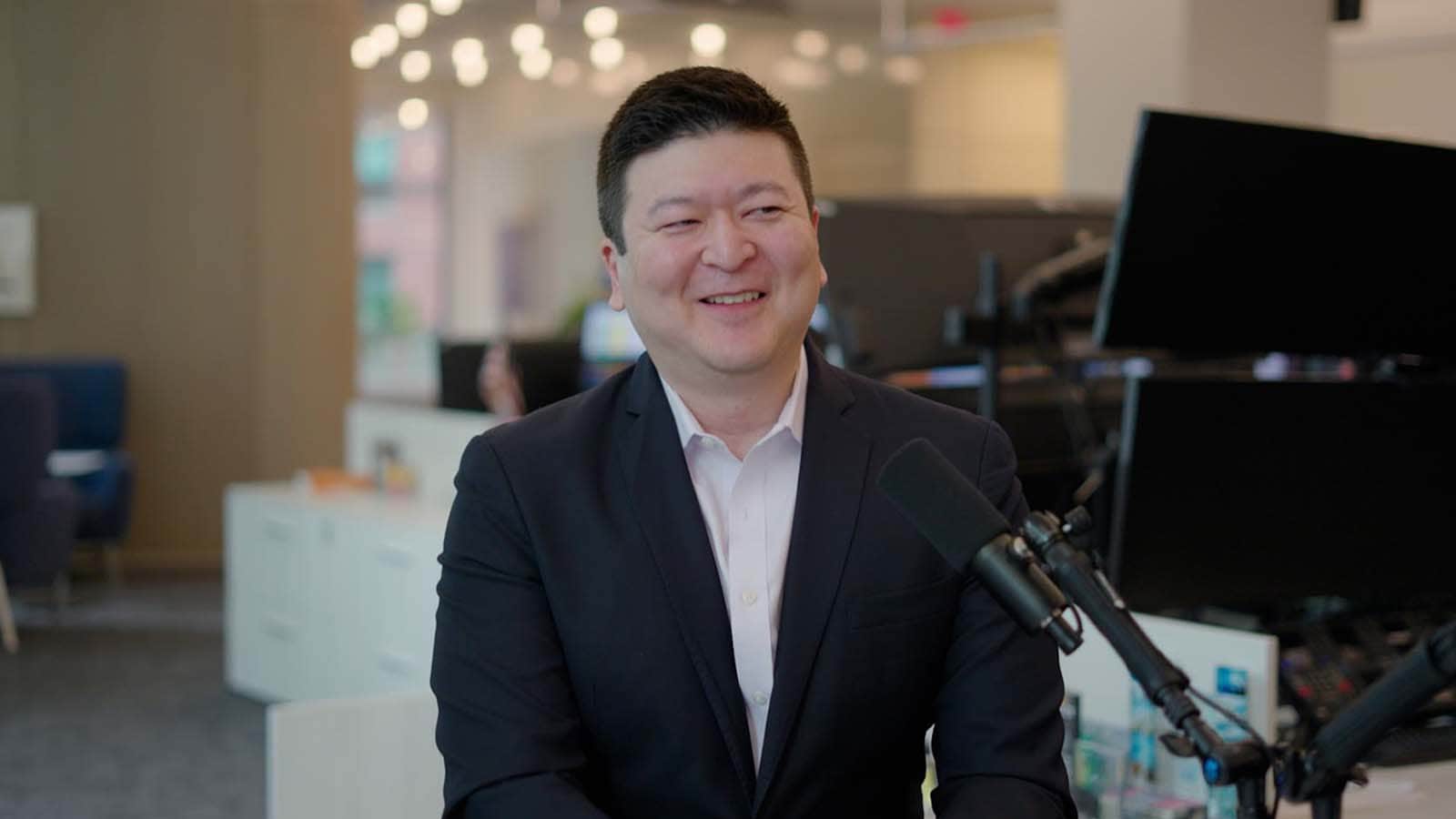
Volatility is not being treated as a warning light inside Goldman Sachs International. Anthony Gutman and Kunal Shah used a May 19 Bloomberg interview to make the opposite point: the turbulent start to the year had not pushed clients to the sidelines, and for Goldman it created a bigger opportunity to show up with advice, execution, and judgment when markets were unsettled.
That message matters well beyond the interview itself. Gutman and Shah were named co-chief executive officers of Goldman Sachs International in a January 21, 2025 leadership update, and both joined Goldman’s Management Committee. In other words, this was not a regional commentary from the sidelines. It was leadership telling bankers, traders, and deal teams how the firm wants them to behave when the tape gets messy: treat uncertainty as a source of mandates, not a reason to wait for calm.

The practical effect is easiest to see in the day-to-day work of junior and mid-level bankers. If clients are still active, then volatility means more calls about hedging, refinancing, restructuring, and timing decisions, not fewer. Sales and trading teams are asked to supply liquidity, context, and cross-asset color. Investment bankers have to keep strategic conversations moving even when boards pause on timing. For analysts and associates, that can mean the same pressure Goldman is known for, but with a different justification: the market is not frozen, it is in motion, and the firm wants to capture the flow.
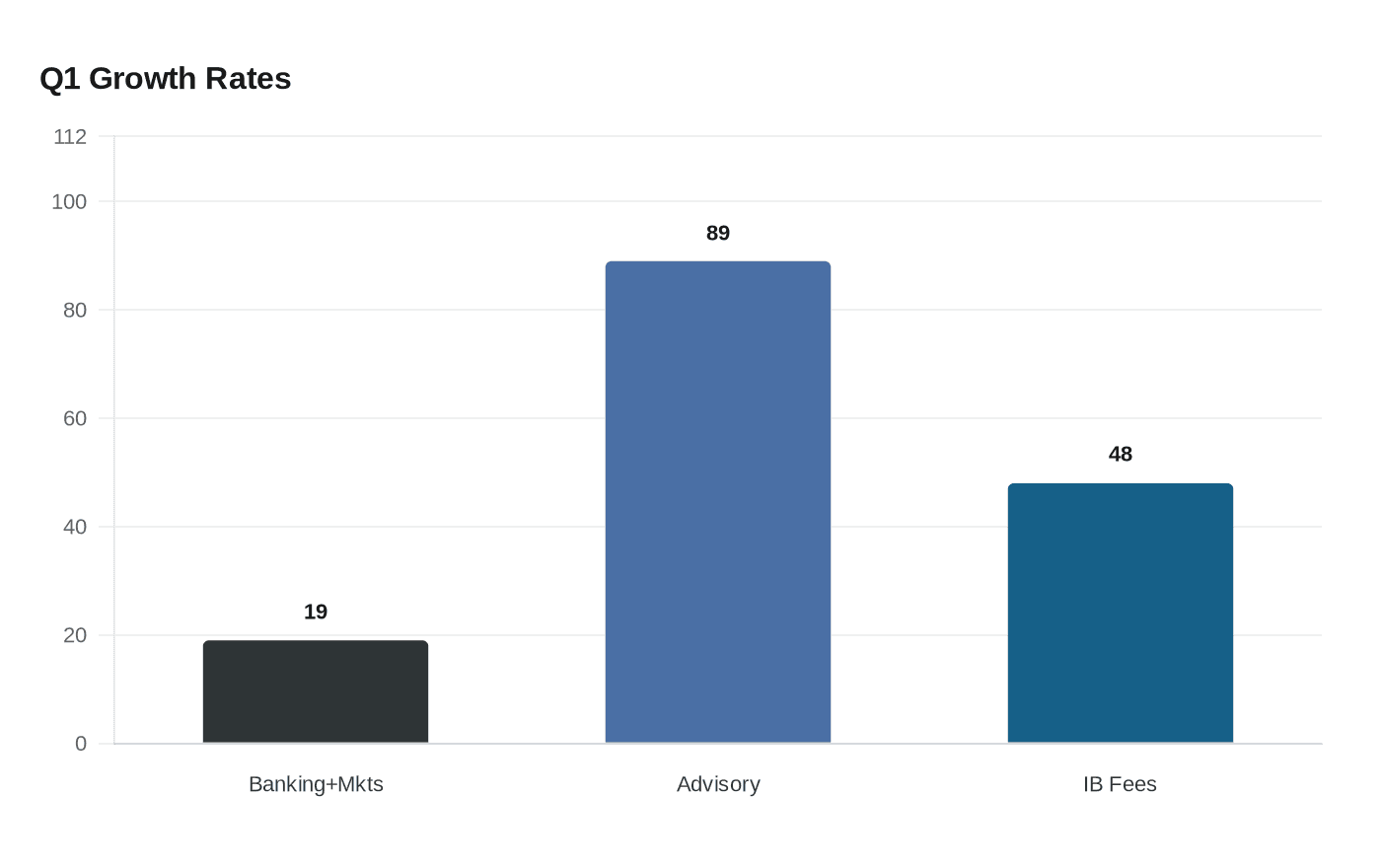
Goldman’s own first-quarter results back up that framing. In its April 13 earnings release, the firm reported net revenues of $17.23 billion, net earnings of $5.63 billion, diluted earnings per share of $17.55, and annualized return on equity of 19.8%. David Solomon said clients continued to depend on Goldman for high-quality execution and insights amid broader uncertainty, while disciplined risk management remained core. Third-party coverage of the quarter added that global banking and markets revenue rose 19% year over year, advisory revenue jumped 89%, investment banking fees increased 48%, equities trading revenue reached a record $5.33 billion, and assets under supervision hit $3.65 trillion.
The geopolitical backdrop only sharpened the point. Goldman’s March 23 Top of Mind piece said the US and Israeli coordinated attack on Iran had created the largest energy supply disruption in history, with traffic in the Strait of Hormuz near a standstill. Earlier in March, Goldman analysts warned that a temporary oil spike to $100 a barrel could shave 0.4 percentage point off global growth. Against that backdrop, the May 19 interview, which Goldman framed around Europe’s capital-markets outlook and the race to build AI infrastructure, read less like a market comment and more like operating guidance: when risk rises, Goldman wants clients to move, and it wants its people to stay aggressive enough to help them do it.
Know something we missed? Have a correction or additional information?
Submit a Tip