Goldman Sachs' Solomon sees greed, not fear, fueling mega IPOs
Solomon’s “more greed than fear” message lands as Goldman chases AI and space mega-deals, from Alphabet’s $80 billion raise to SpaceX’s IPO plans.

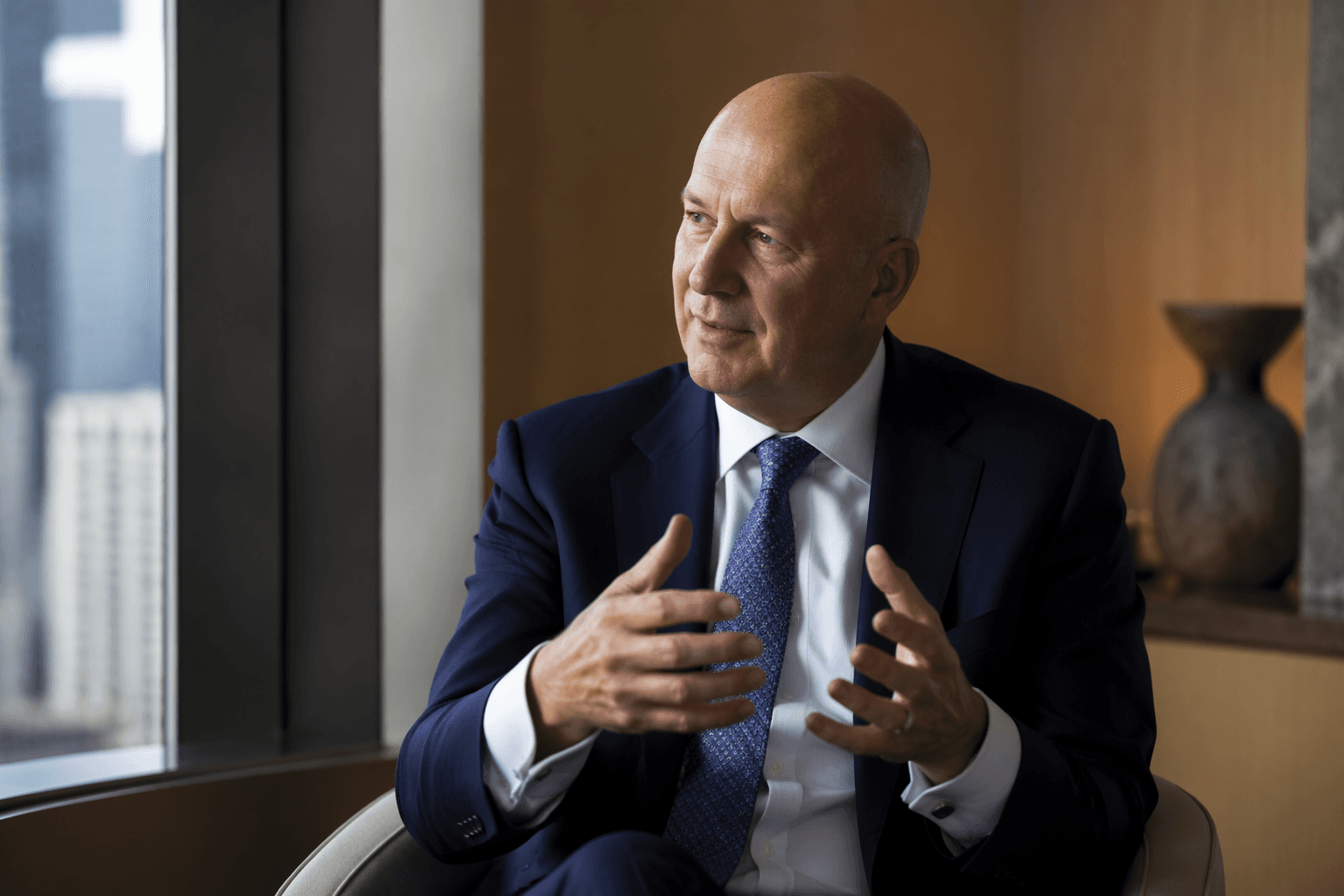
David Solomon is signaling that the market window is open, but not because investors suddenly got less cautious. His read was the opposite: Wall Street is in “more greed than fear” mode, with “plenty of liquidity” available if optimism holds. For Goldman Sachs bankers, that is less a victory lap than a warning shot. A hot tape can bring record fees, but it also means more pressure on deal teams, risk staff and senior rainmakers to move fast without getting sloppy.
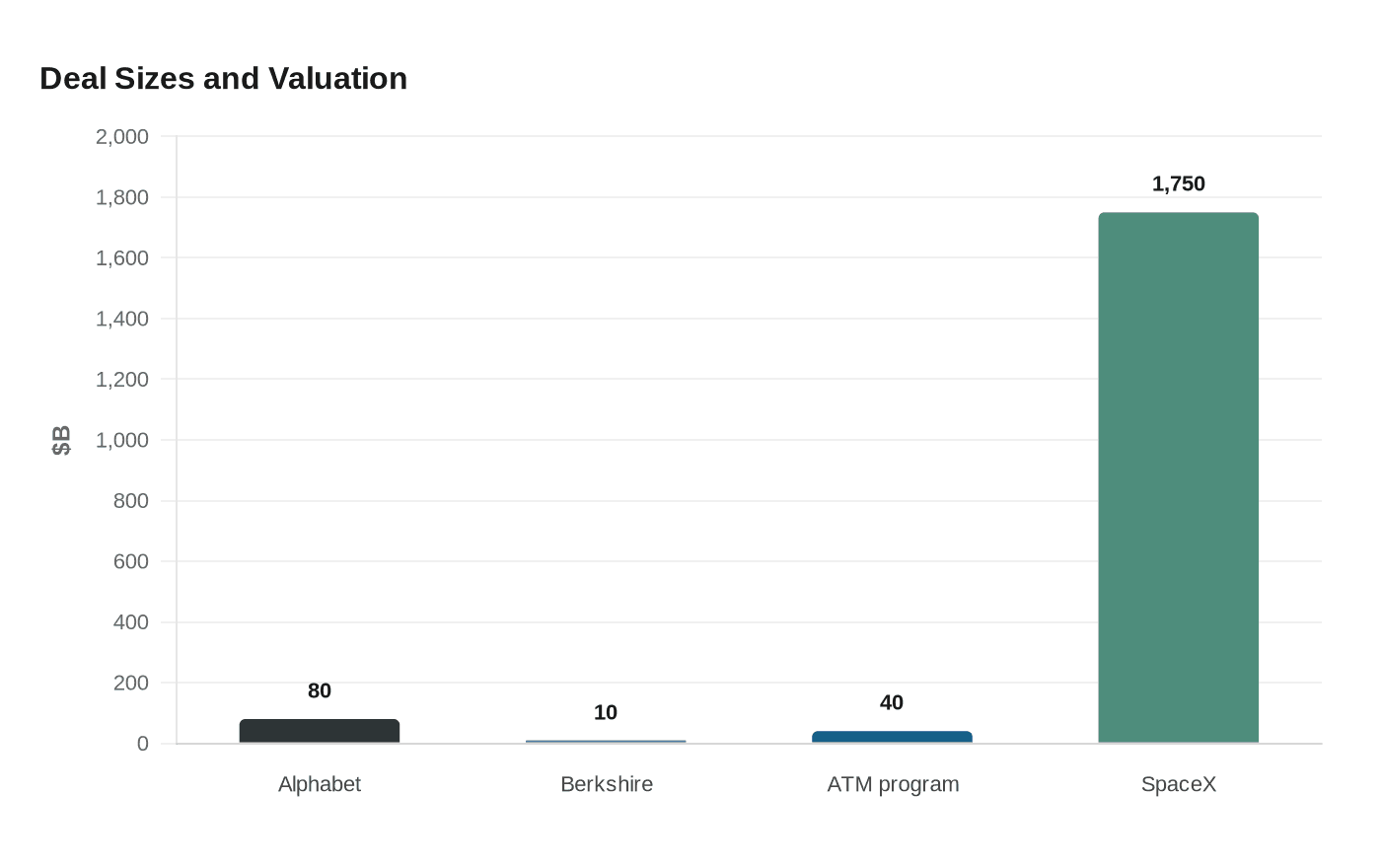
The clearest test is Alphabet. The company announced an $80 billion equity capital raise on June 1, including a $10 billion private placement from Berkshire Hathaway. SEC filing materials show Goldman Sachs, J.P. Morgan and Morgan Stanley are managers on a $40 billion at-the-market offering program tied to the transaction. The deal puts Goldman right in the middle of the AI infrastructure boom, where companies are raising huge sums to fund compute, chips and data centers, and where execution quality will shape how much business follows.
That is only one lane in what could become a crowded market. Anthropic confidentially filed for a U.S. IPO, edging ahead of OpenAI in the race to public markets, and Bloomberg said the company could reach the market as soon as this fall. SpaceX is also being readied for an all-primary IPO, with a target valuation of $1.75 trillion. Later reporting put a fixed price at $135 a share and a June 12 Nasdaq debut target, underscoring how aggressively the market is trying to price private names that once seemed far too large, or too complex, to list.
For Goldman’s teams, the culture question is whether this is the kind of greed that rewards discipline or the kind that punishes complacency. When the pipeline is full of names like Alphabet, Anthropic and SpaceX, the bank can collect advisory, underwriting and capital-markets fees. Those revenues matter inside a place where bonus pools, promotion cycles and reputations are closely tied to how well a few large transactions land. But a crowded rush for IPO mandates also raises the stakes for risk officers, who have to separate healthy demand from overheated pricing.
Solomon’s message suggests Goldman wants to lean into the moment, not fear it. The harder part will be proving that the firm can win the business without letting a liquidity wave turn into a discipline problem.
This article was produced by Prism’s automated news system from verified source data, official records, and press releases, then run through automated quality and moderation checks before publishing. The system is built and supervised by the people who set the standards it runs under. Read our full AI policy.
Know something we missed? Have a correction or additional information?
Submit a Tip