Goldman Sachs spotlights Honeywell's AI-driven industrial transformation
Honeywell used Goldman’s Talks at GS to tie AI to a cleaner industrial portfolio, with Vimal Kapur linking automation to autonomy, spin-offs and growth targets.
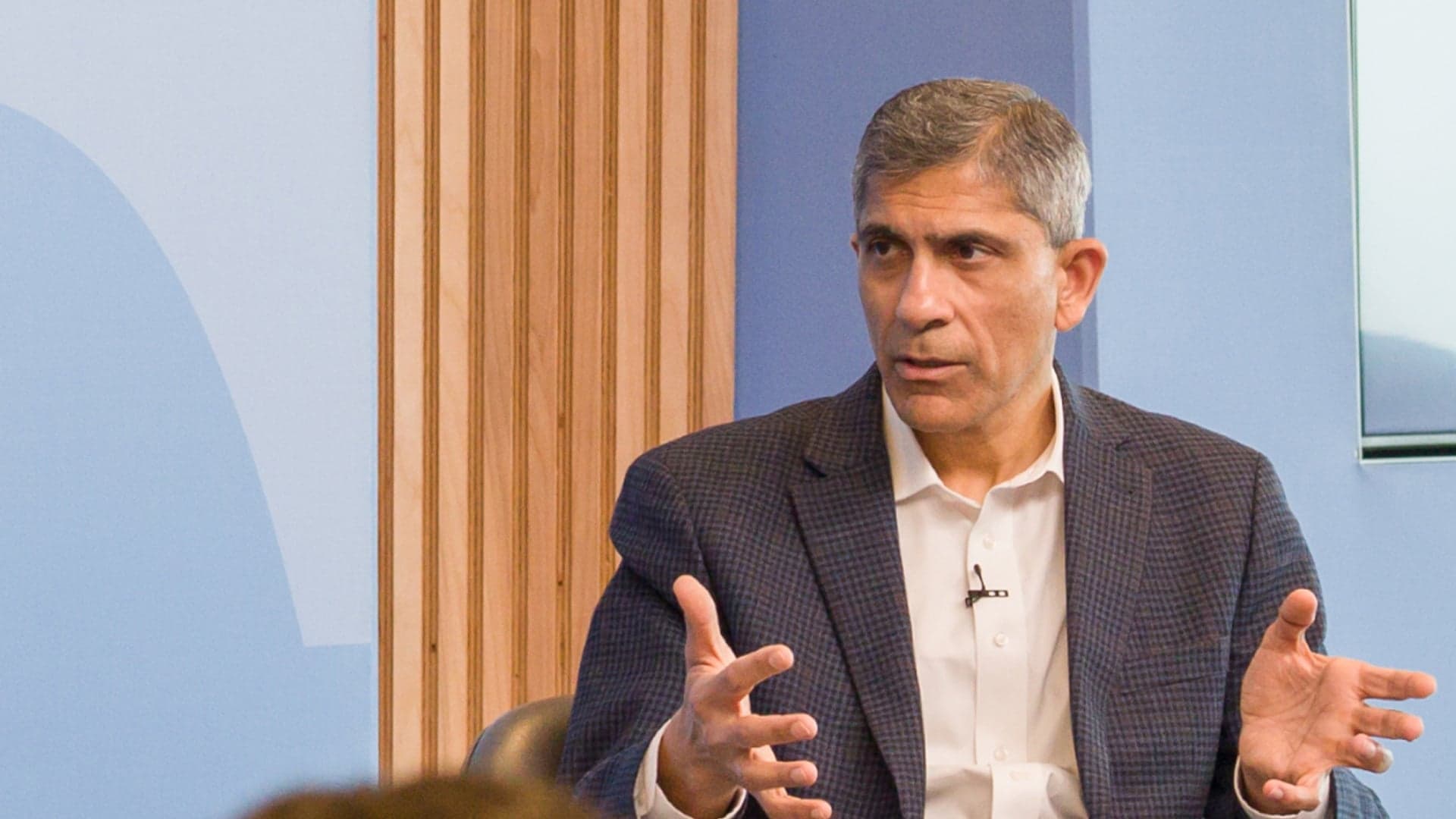
Goldman Sachs put Honeywell’s industrial reset at center stage in a June 30 Talks at GS interview, giving Vimal Kapur and John Waldron a platform to connect AI with a more focused automation business. For Goldman bankers, the point was not another generic technology pitch. It was a live example of how an industrial client is trying to turn automation into an operating model, a portfolio strategy and a financing story at the same time.
Honeywell had already staked out that direction on February 6, 2025, when it said its board intended to pursue a full separation of Automation and Aerospace Technologies into two independent public companies. That plan, together with the planned Advanced Materials spin, would create three publicly listed businesses with distinct strategies and growth drivers. In its 2025 annual report, Honeywell described the future automation company as a global leader in the industrial world’s transition from automation to autonomy, built around mission-critical, outcome-based technologies, solutions and software.

Kapur pushed that framing further at Honeywell’s June 11 investor day in New York City, held ahead of the planned June 29 spin-off of Honeywell Aerospace. Honeywell said it would use the event to introduce a new growth and margin-expansion framework and three-year financial targets for Honeywell Technologies. CNBC reported that Kapur said AI is going to redefine automation, tying demand to labor shortages and aging populations. That is a very different message from the loose AI talk that still fills too many corporate presentations. Here, AI is linked to operations, labor and the economics of hard assets.
That distinction matters inside Goldman because it changes the shape of the client conversation. Industrial companies are not just asking what AI can do; they are asking how to use it to raise productivity, widen margins and simplify sprawling portfolios. Honeywell’s separation plan, its spin-off timetable and its investor day targets show how M&A, separations and operating-model changes can be used together to make a cleaner investment case. For Goldman teams covering industrials, infrastructure and capital goods, the practical opening is to talk about workflows, maintenance, supply chains and asset intensity in the same breath as financing, valuation and strategic repositioning.
This article was produced by Prism’s automated news system from verified source data, official records, and press releases, then run through automated quality and moderation checks before publishing. The system is built and supervised by the people who set the standards it runs under. Read our full AI policy.
Did this article answer your question?