Goldman Sachs spotlights McLaren on teamwork, resilience and performance
Goldman is using McLaren’s resurgence to make a workplace point: elite results come from trust, feedback and resilience, not solo heroics.
McLaren as Goldman’s newest workplace case study
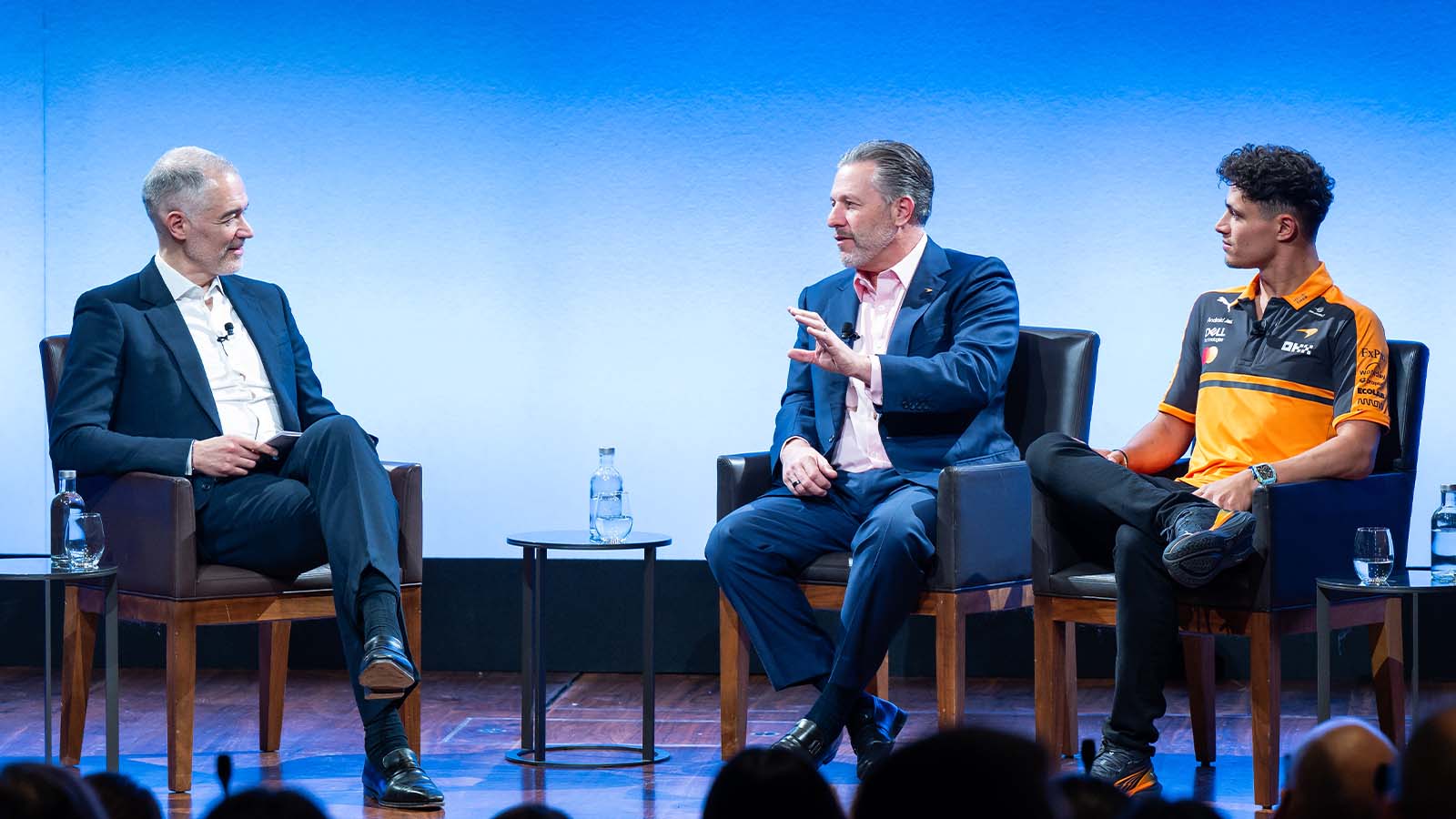
Goldman Sachs is not platforming McLaren Racing because Formula 1 is glamorous. It is doing it because McLaren’s return to the front of the grid offers a clean example of how a high-pressure organization rebuilds around process, culture, and accountability. In the May 13 episode of Talks at GS, Anthony Gutman, Goldman Sachs International’s co-CEO, spoke with McLaren Racing CEO Zak Brown and 2025 Formula 1 World Drivers’ Champion Lando Norris about building a high-performance team. For Goldman employees, the appeal is obvious: the same mix of specialist expertise and cross-functional coordination that powers a pit wall also drives a bank where bankers, traders, technologists, risk managers, and operations teams have to execute together under deadline pressure.
The episode matters because Goldman is using McLaren to talk about work, not sport. An earlier Talks at GS page on Brown and Norris framed the conversation around McLaren’s sustainability mission and its climb back toward the top of the grid. This new installment pushes that story into a more practical lane: what it takes to sustain performance after a rebuild is no longer a nice idea, but the operating system. That is exactly the kind of conversation Goldman tends to highlight internally when it wants employees to think harder about collaboration, adaptation, and resilience rather than lone brilliance.
Why Goldman keeps returning to McLaren
The firm’s choice of guests is telling. Brown is not just a racing executive who happens to be charismatic on camera. McLaren says he joined the team in 2016 as executive director, became CEO in April 2018, and has overseen a transformation of the brand and culture. His remit spans strategic direction, operational performance, marketing, and commercial development, which makes him a useful stand-in for the kind of broad, multi-disciplinary leadership finance often prizes at the most senior levels.

That is likely part of why Goldman keeps bringing McLaren back. Brown’s story fits a familiar management script inside a big firm: inherit a strong but underperforming franchise, then spend years reshaping the culture, upgrading the operating model, and aligning talent around a clearer standard. Goldman employees do not need to work in motorsport to recognize the pattern. In investment banking and markets, the difference between a good team and a great one is often not raw IQ, but whether people can communicate cleanly, recover from mistakes fast, and keep moving when a quarter, a pitch, or a deal goes sideways.
There is also a broader brand reason. Goldman’s Talks at GS series has long mixed business, policy, and culture, but it works best when the conversation surfaces something employees can use. McLaren gives Goldman a high-status, high-pressure example that maps neatly onto internal life: how a legacy institution stays relevant, how leaders retain trust while changing the system, and how performance becomes repeatable instead of occasional. That is a more compelling message for a Goldman audience than a generic talk about motivation.
What McLaren’s turnaround actually looked like
The facts of McLaren’s comeback make the analogy stronger. Formula 1 says McLaren won the 2024 Constructors’ Championship, its first since 1998, and that Norris’s Abu Dhabi victory on December 8, 2024 secured the title. Formula 1 also says McLaren claimed the 2025 Constructors’ Championship at the Singapore Grand Prix. In that 2025 season, Norris and Oscar Piastri won seven races apiece, and Norris ultimately won the drivers’ championship.
That sequence matters because it shows the difference between a one-off surge and sustained front-running. McLaren’s January 2026 note describing 2025 as a “monumental season” suggests the team is no longer being discussed as a turnaround story alone. It is being treated as a repeat contender, which is usually the real test in any high-performance organization. One good season can be luck. Two strong seasons, under different kinds of pressure, usually reflect structure.
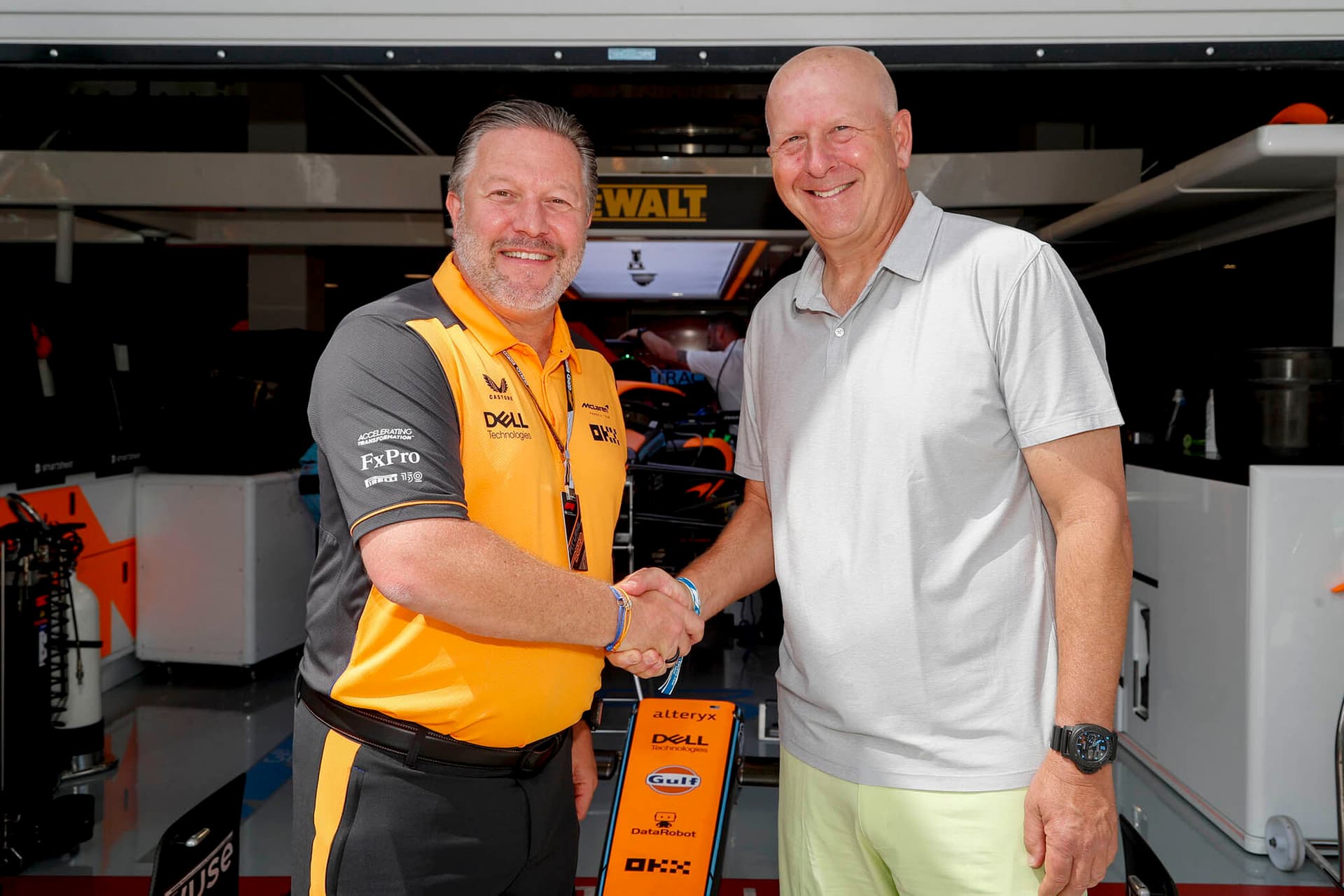
Brown’s role helps explain that shift. McLaren says he helped put in place the people, resources, infrastructure, and mindset needed to bring the team back to the front of Formula 1. That language is not flashy, but it is useful. It points to a leadership style built around systems and standards rather than charisma alone, and that is exactly the sort of model Goldman tends to celebrate when it wants managers to think beyond short-term wins.
The workplace lessons Goldman employees are meant to hear
For junior bankers and new managers, the McLaren story lands as a reminder that elite output usually comes from disciplined roles and open feedback. That is relevant in a firm where client demands, market cycles, and internal promotion pressure can make the job feel like one sprint after another. The McLaren example suggests a different lesson: the best teams do not just react well when things go right. They absorb hard weekends, study the errors, and keep the longer season in view.
There is a subtle but important message here for Goldman’s own culture. Employees are being encouraged to value continuous improvement over drama, coordination over heroics, and resilience over emotional overreaction. That applies across the firm, whether the issue is a trading error, a delayed transaction, a systems problem, or a missed opportunity that affects bonus outcomes and year-end evaluations. The underlying standard is the same: performance is collective, and consistency matters as much as peak moments.
The McLaren story also reinforces the value of trust. A team that has genuinely rebuilt itself can tolerate feedback because people believe the process is aimed at making everyone better, not at assigning blame. In a demanding firm like Goldman, that is not a small point. Teams that can speak honestly after a bad meeting, a failed pitch, or a rough quarter tend to improve faster than teams that protect egos and move on too quickly.
Why this story resonates inside Goldman now
Goldman is not just celebrating McLaren’s trophies. It is drawing a line between a racing team’s operating model and the way elite financial-services teams need to function when the stakes are high. Brown’s long tenure, McLaren’s championship rebound, and Norris’s rise to world champion all support the same argument: sustained success comes from culture, adaptation, and relentless execution, not from one gifted person carrying the load.
That is why these conversations keep getting airtime. They translate abstract leadership talk into something employees can recognize in their own day-to-day work. For people inside Goldman, the real takeaway is not that they should think like race car drivers. It is that the firm keeps rewarding the same behaviors McLaren had to master to get back to the front: clarity under pressure, rapid learning after failure, and a willingness to win as a team.
This article was produced by Prism’s automated news system from verified source data, official records, and press releases, then run through automated quality and moderation checks before publishing. The system is built and supervised by the people who set the standards it runs under. Read our full AI policy.
Did this article answer your question?