Goldman Sachs staff face growing pressure as banks push AI adoption
HSBC’s warning and Standard Chartered’s cuts show banks are turning AI into a test of compliance, not just efficiency. Goldman Sachs employees are already seeing what that shift can mean.
The pressure inside Goldman Sachs is no longer about whether employees should try AI. It is about how quickly they are expected to adapt before the technology becomes a measure of whether their work, and in some cases their jobs, are still needed.
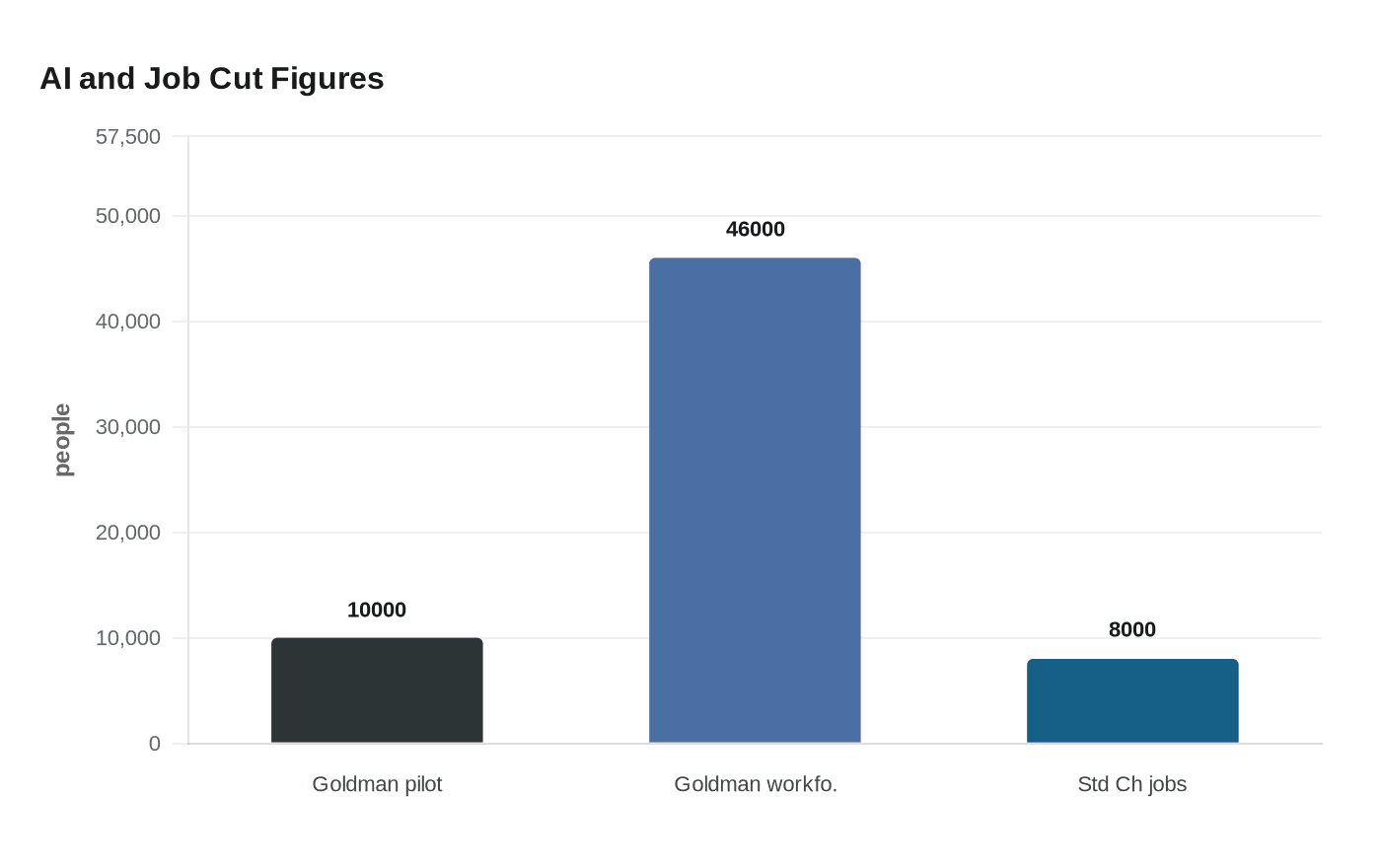
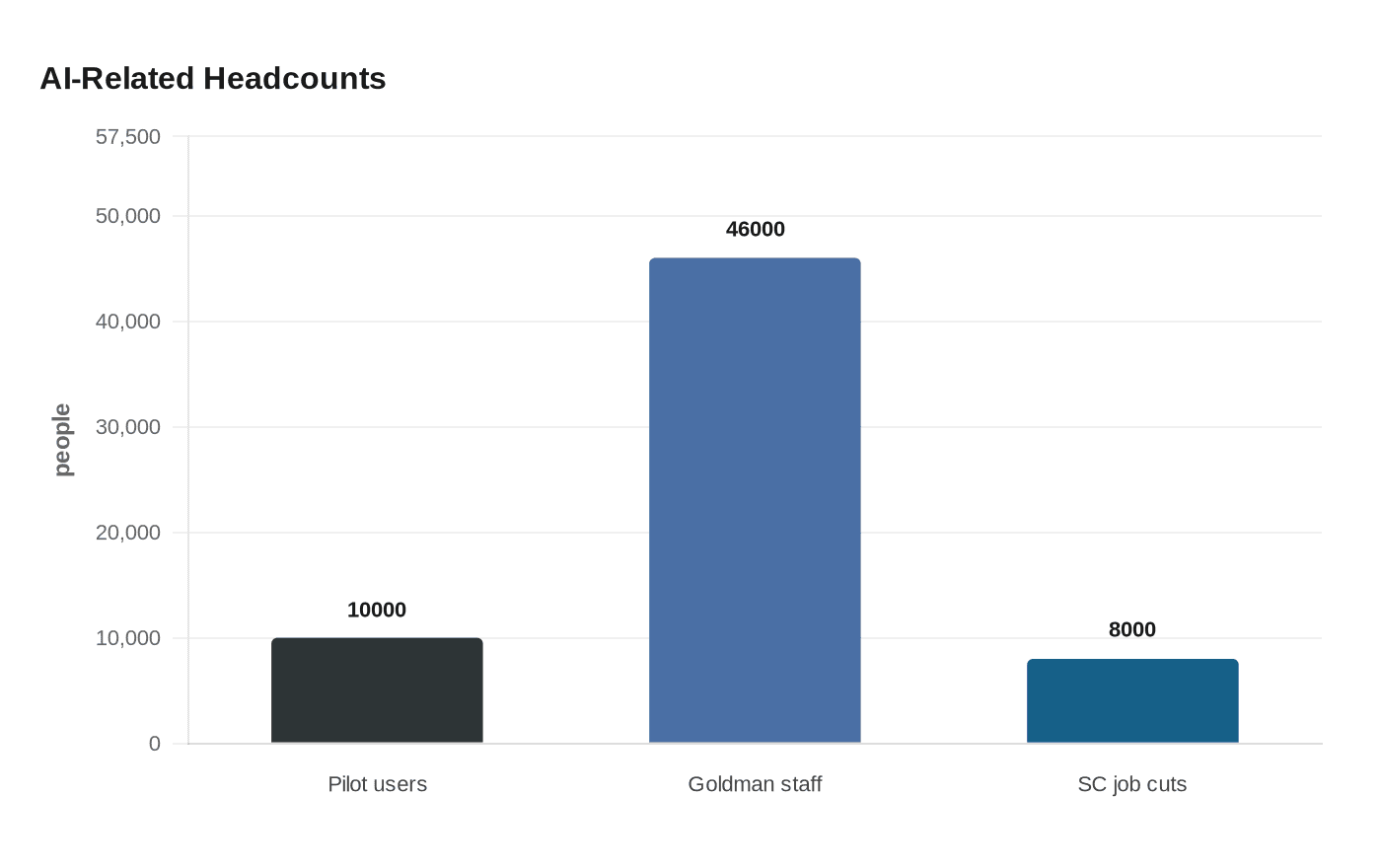
That is the backdrop for HSBC chief Georges Elhedery’s message to staff not to fight generative AI. He told employees the technology would destroy some jobs while creating others, a blunt tone that landed alongside Standard Chartered’s decision to eliminate almost 8,000 jobs and cut 15% of its corporate-function roles by 2030 as it automates more work. When Standard Chartered chief Bill Winters used the phrase “lower-value human capital,” the backlash was immediate, and he moved to reassure staff the next day. For bankers in New York, London and Hong Kong, the lesson is hard to miss: AI is becoming part of the employment conversation, not a side project.

Goldman has already moved down that path. The bank launched its GS AI Assistant firmwide after about 10,000 employees used it in a pilot, and the tool was later made available across Goldman’s global workforce of roughly 46,000 people. That makes the real question less about access and more about expectation. Once a tool is rolled out at that scale, managers can start treating its use as a baseline habit rather than an optional experiment.
Goldman has also shown it is willing to pair technology shifts with tighter labor management. In October 2025, the bank told employees it could make job cuts and slow hiring through the end of the year as it pursued AI-driven productivity gains. Goldman’s annual Strategic Resource Assessment has historically taken out about 1% to 5% of staff in some years, a reminder that performance pressure can quickly become headcount pressure when the firm wants results.
The broader market is sending the same signal. Morgan Stanley analysis cited in Reuters coverage said companies in banking, technology and professional services shed one in 20 staff in the past year as a result of using AI. That gives Goldman employees a clearer read on what leadership is trying to solve: not simply how to automate tasks, but how to persuade workers that AI is a career tool rather than a disguised restructuring plan.
The firms that manage that transition best will be the ones that explain which roles are changing, which tasks are disappearing and where new opportunities are coming from. At Goldman, where bonus cycles, promotion tracks and exit opportunities shape every career decision, AI is starting to affect more than workflow. It is beginning to define who is seen as adaptable enough to keep pace.
This article was produced by Prism’s automated news system from verified source data, official records, and press releases, then run through automated quality and moderation checks before publishing. The system is built and supervised by the people who set the standards it runs under. Read our full AI policy.
Did this article answer your question?