Goldman Sachs survey shows rising costs, complexity in employee benefits
Goldman Sachs Ayco found 54% of employers now cover GLP-1s, but 64% say cost is the biggest barrier as benefits get more targeted.
Salary is no longer doing all the heavy lifting in talent fights, and Goldman Sachs Ayco’s latest total rewards survey shows why: employers are building more complex benefit packages to compete, but they are also tightening the rules to keep costs from running away. In a survey released May 14 and based on responses from 89 companies as of December 2025, 54% of employers said they offer GLP-1 coverage for weight-loss treatment, even as 64% named cost their top concern.
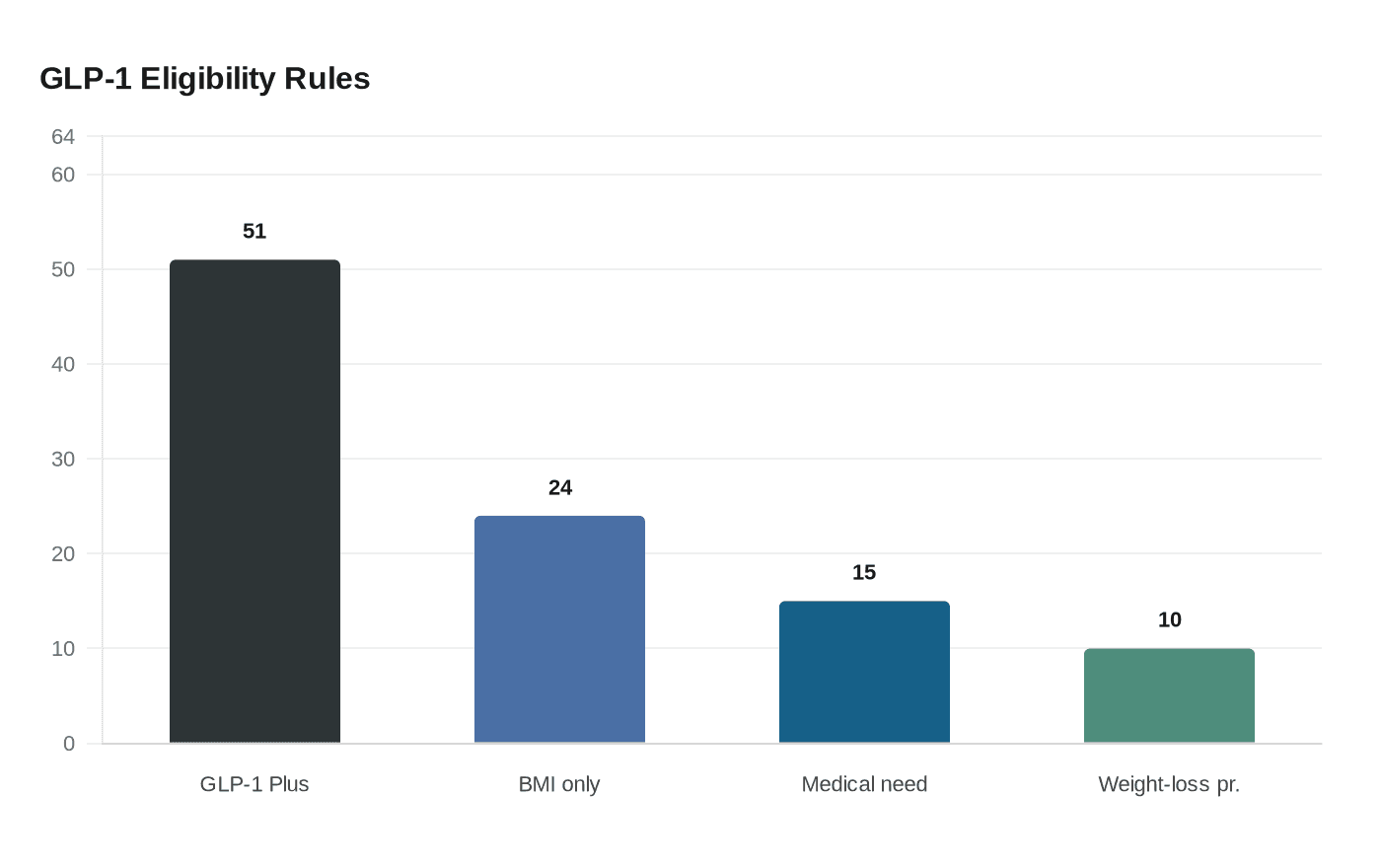
The biggest shift is not just that more companies are covering high-demand treatments. It is that they are redesigning eligibility around multiple gates. Goldman Sachs Ayco said 51% of employers use a GLP-1 Plus approach that pairs BMI thresholds with other clinical or behavioral requirements. Another 24% rely on BMI alone, 15% use a medical-necessity or physician-prescribed standard, and 10% require enrollment in a weight-loss or nutrition program. For workers, that means access is increasingly tied not just to health need, but to how well they fit a plan sponsor’s cost controls.

The same logic is showing up in family-building and reproductive health benefits. Goldman Sachs Ayco found 48% of companies now work with suite providers for those services, a sign that employers are moving toward more coordinated vendor models rather than stitching together separate programs. Among employers not yet using suite providers, 60% were still unsure whether they would adopt them, which suggests the market is still settling. Goldman also said employers are leaning on monetary limits to manage volatility in IVF, IUI, adoption, egg freezing and surrogacy benefits, especially when those costs vary by jurisdiction and inflation.
For Goldman employees, the practical takeaway is that compensation conversations are widening beyond base pay and bonus season. Benefits are becoming a bigger part of the total-rewards equation, but they are also becoming more segmented, with different rules depending on health, family and leave needs. That matters in recruiting, when a rival bank can offer a richer package, and in retention, when a package looks generous on paper but turns out to come with narrower eligibility.
Goldman Sachs Ayco, which says it supports more than 500 corporate-sponsored programs and more than 50 Fortune 100 corporate partnerships, is well positioned to track the change. Its executive benefits survey has followed these trends for more than 30 years, and the pattern is consistent: employers keep expanding benefits, then recalibrating them as costs and employee expectations rise together.
This article was produced by Prism’s automated news system from verified source data, official records, and press releases, then run through automated quality and moderation checks before publishing. The system is built and supervised by the people who set the standards it runs under. Read our full AI policy.
Know something we missed? Have a correction or additional information?
Submit a Tip