Goldman Sachs ties inclusion networks to performance and recruiting
Goldman is using employee networks, pay data and HBCU recruiting to turn inclusion into a pipeline tool, not just a statement.
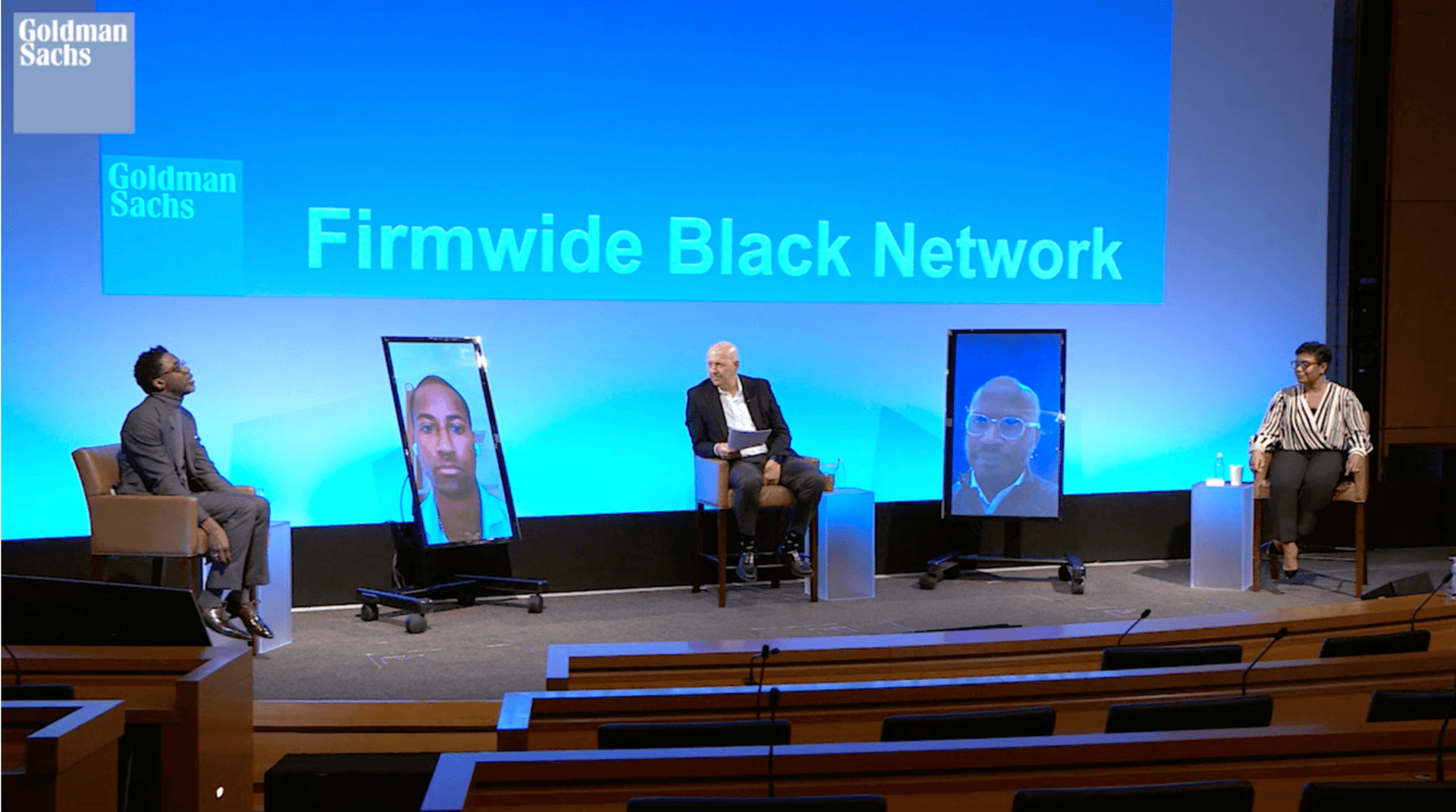
Inclusion as part of the job, not a side project
Goldman Sachs is presenting inclusion less as a slogan than as part of how the firm operates. On its diversity and inclusion materials, the bank says a more diverse workforce improves performance, helps it recruit from a broader pool and supports teams that can work more effectively for clients. That matters inside a place where advancement is competitive, staffing is fluid and informal access often shapes who gets noticed next.

The practical message for employees is straightforward: Goldman is telling people that belonging is supposed to have an organizational function. The firm says it wants people to feel comfortable bringing their full selves to work and being empowered to reach their full potential, but it also ties that idea to client service, recruiting and team performance. In other words, inclusion is being framed as a business capability, not just a values statement.
What the inclusion networks actually do
The clearest window into that approach is Goldman’s Employee Inclusion Networks. The firm says these forums are open to all professionals at Goldman Sachs, not just members of a particular demographic group. They are designed to provide career development, educational programming, networking forums and client events.
That makes them more than affinity groups in the usual corporate sense. For an analyst or associate trying to figure out where mentoring happens, where to meet people outside a single desk and how to build credibility beyond the performance review cycle, the networks function as a second layer of the firm’s internal infrastructure. Goldman lists Asian, Black, Disability, Hispanic/Latinx, LGBTQ+, Veterans, Women’s and Working Parent forums, which signals both breadth and a very deliberate attempt to make community feel embedded across the business.
For candidates, the signal is just as important. Goldman is showing that it wants people to infer there are structured places to find support, make connections and build visibility across business units. At a bank where promotions, bonus outcomes and exit opportunities often depend on who has seen your work and who is willing to vouch for you, that kind of mechanism can shape a career as much as any formal policy.
Recruiting is part of the same system
Goldman’s inclusion strategy is also tied directly to how it recruits. The firm says it uses technology such as HireVue and virtual insight webinars, alongside partnerships with external organizations, to widen the pool of candidates it reaches. That is not a cosmetic detail. It suggests the bank sees recruiting breadth as part of the same performance logic that drives the networks: expand the funnel, and you improve the caliber and mix of the team.
The careers materials reinforce that point. Goldman describes its Virtual Insight Series as a multi-part educational experience for candidates who want to learn about the firm and the recruiting process. It also says students have access to a range of programs, networks and events that support Goldman’s apprenticeship culture, a phrase that speaks to how much the early-career experience still depends on learning the firm from the inside.
Two programs stand out because they show how the bank is trying to make entry points more specific. The Veteran’s Integration Program is a three-week virtual program for military personnel transitioning to civilian work. The Career Pivot Series explicitly encouraged applicants who identify as Asian, Black, Hispanic/Latinx, LGBTQ+, persons with disabilities, veterans and women. That kind of language suggests Goldman is not just trying to cast a wider net, but to tell different groups that the firm expects them to see themselves in the process.
The numbers behind the narrative
Goldman’s pay-equity statement gives the story a hard numerical edge. The firm says its 2023 compensation analysis found the median pay for women globally was 99% of the median pay for men, and the median pay for racial and ethnic minorities in the United States was 99% of the median pay for white employees. Those figures do not settle every debate about pay, promotion or opportunity, but they do give employees and candidates a concrete benchmark for how the firm says it is measuring fairness.
The bigger point is that Goldman has committed to publishing gender and race pay-gap information annually and to sharing EEO-1 demographic data in its People Strategy Report. That matters because it moves inclusion away from broad aspirations and toward recurring reporting. For people inside the firm, especially those trying to assess whether culture and compensation are moving together, the existence of a public data trail matters almost as much as the headline numbers.
Goldman’s 2025 annual report fits that same frame. The firm says it remains focused on a client-centric approach and a strong culture of risk management. Put together with the inclusion materials, that language suggests Goldman wants to present culture as a system of execution: people, controls, recruiting and client service all reinforcing one another.
HBCU recruiting shows how the pipeline works
Goldman’s HBCU strategy is the most concrete example of how the firm connects inclusion to recruiting and advancement. The bank says it expanded hiring targets in 2019 to increase the diversity profile of its workforce, then launched the HBCU Possibilities Program in 2020 as part of a broader effort to advance racial equity and build a more inclusive economy.
By April 22, 2024, Goldman said the program had generated $20 million in scholarships and grants over four years. That same year, more than 150 students from 11 HBCUs took part from more than 600 eligible applications, and Goldman said it had recruited 40 students for internships, with many accepting full-time offers. For a firm where campus access can shape entire career tracks, those numbers show that the program is not symbolic. It is a feeder system.
The scale gets even clearer in Goldman’s broader commitment. The HBCU Possibilities Program sits inside a $25 million, five-year pledge to HBCUs, alongside a goal to double campus-analyst recruiting from HBCUs by 2025. That is the kind of target that changes who gets access to Goldman at the earliest stage of the pipeline, before the usual sorting mechanisms of the industry have had as much chance to narrow the field.
The annual Market Madness competition makes the strategy visible. On April 22, 2024, Spelman College won Goldman Sachs’s fourth annual Market Madness competition and received a $1 million grant. Finalists included Delaware State University, Florida A&M University and Howard University, and the case studies were presented to Goldman and Nike executives. That detail matters because it shows Goldman using competition, visibility and external executive exposure as part of the recruiting experience, not just handing out grants.
What workers can infer from all of it
For current employees, Goldman’s materials point to a firm that wants inclusion to do practical work: create communities, widen internal networks, surface mentors, and make client exposure feel less dependent on who you already know. For candidates, the message is that the bank is trying to show more than a generic diversity commitment. It is laying out the mechanisms through which people are supposed to join, learn and advance.
That is the real story here. Goldman is treating inclusion as part of performance culture, and the proof is in the machinery: open networks, broader recruiting channels, pay reporting, HBCU investment and programs that connect junior talent to leaders and clients. In a firm where career speed, prestige and opportunity still matter intensely, that machinery can shape who feels they belong, and who gets a real shot at moving up.
This article was produced by Prism’s automated news system from verified source data, official records, and press releases, then run through automated quality and moderation checks before publishing. The system is built and supervised by the people who set the standards it runs under. Read our full AI policy.
Know something we missed? Have a correction or additional information?
Submit a Tip