Goldman Sachs warns higher energy prices to cut European industrial output 2%
Higher energy prices tied to Middle East conflict were set to shave 2% off European industrial output by end-2027, with oil pressure spreading beyond shutdown-prone sectors.

Higher energy prices tied to the conflict in the Middle East were expected to cut European industrial production by 2% by the end of 2027 versus a pre-conflict baseline, a warning that turns a geopolitical shock into a measurable drag on factories, freight and client budgets.
Goldman Sachs Research laid out the risk in an April 23 note on European manufacturing, arguing that this energy shock differs from the 2022 and 2023 crisis in three crucial ways: it should be smaller, it should fade faster, and it is more oil-driven than gas-driven. It is also global rather than mostly Europe-specific, which makes the channel broader and harder to ring-fence. For Goldman teams covering industrials, energy, macro, credit and European equities, that distinction matters because it changes how clients think about margin pressure, capital spending, supply chains and relative-value trades.
The bank said capacity shutdowns in energy-intensive industries should be less likely than during the prior crisis. That is an important relief valve, but it does not mean the hit stops at the most obvious power-hungry plants. Oil price pressure can move through transport costs, intermediate inputs and end demand, which means the shock may weigh on manufacturing more broadly than a natural-gas squeeze that hits only the most energy-intensive sites.
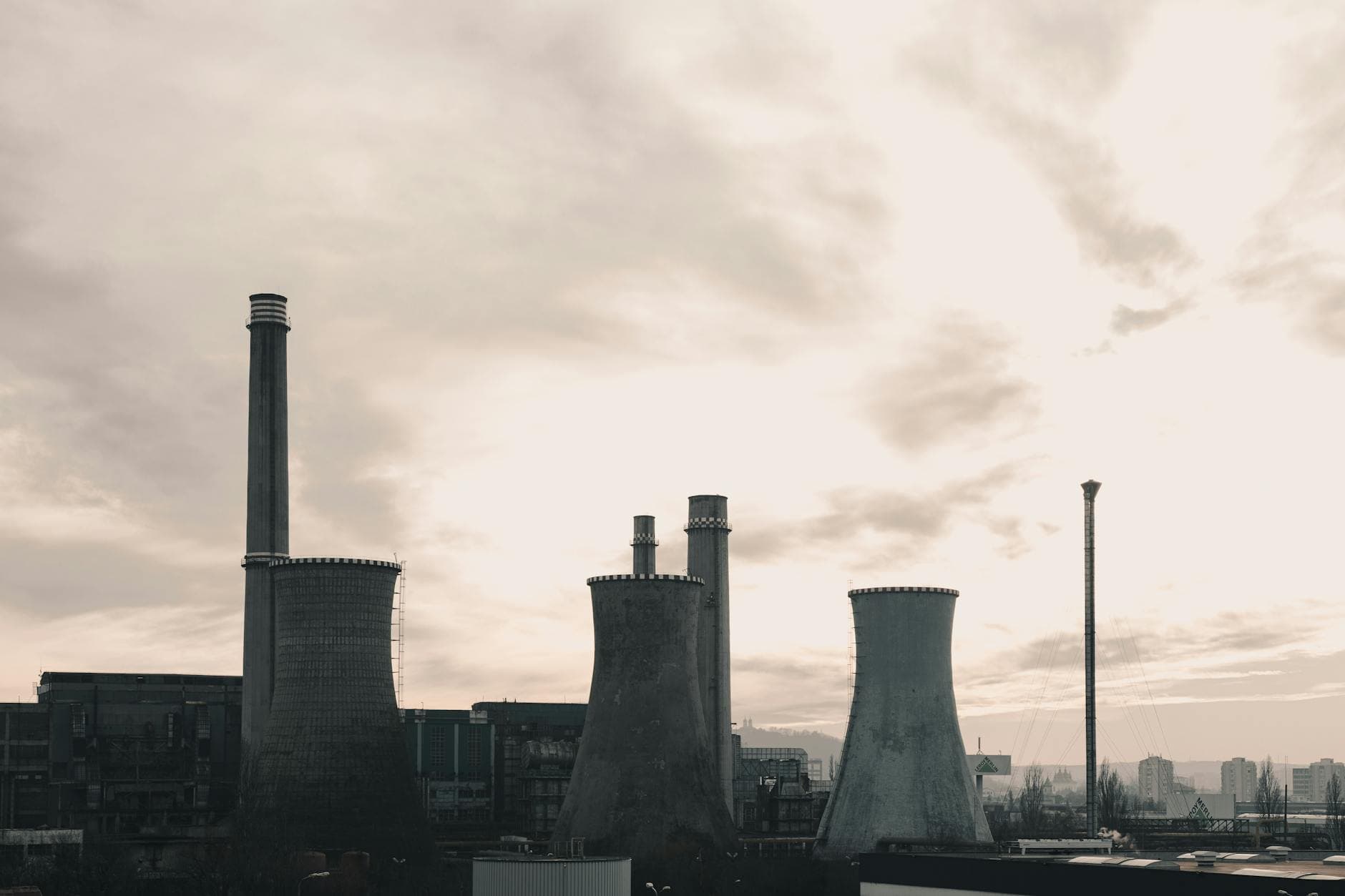
For bankers and advisers, the practical question is no longer just whether Europe absorbs the shock. It is which businesses can pass through higher costs, which ones will see margins compressed, and which sectors may gain as buyers substitute away from more expensive production. That is the kind of second-order analysis that shapes financing conversations, hedging decisions and investment timing inside Goldman’s coverage teams, especially when clients are trying to protect earnings rather than chase growth.
The 2% forecast is modest compared with the last energy crisis, but it is still large enough to matter in boardrooms. A factory that expected stable output now has to plan for softer order books, tighter pricing power and a more cautious approach to capital spending. Goldman’s message was clear: the latest energy shock may be less severe than the one Europe just lived through, but it still carries enough force to alter real-economy decisions well beyond the trading floor.
Know something we missed? Have a correction or additional information?
Submit a Tip