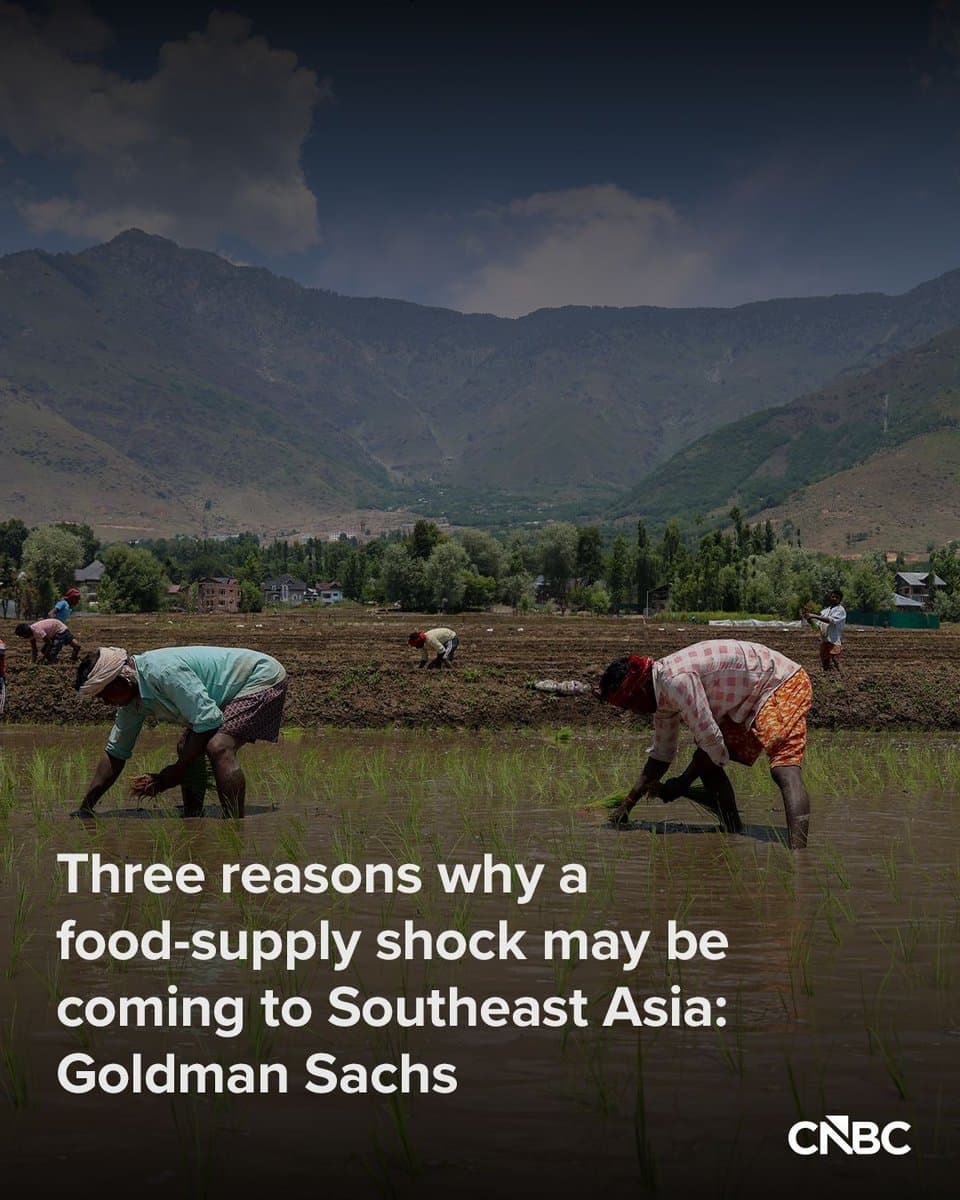
Goldman Sachs warns of higher Southeast Asia food inflation from conflict, El Niño
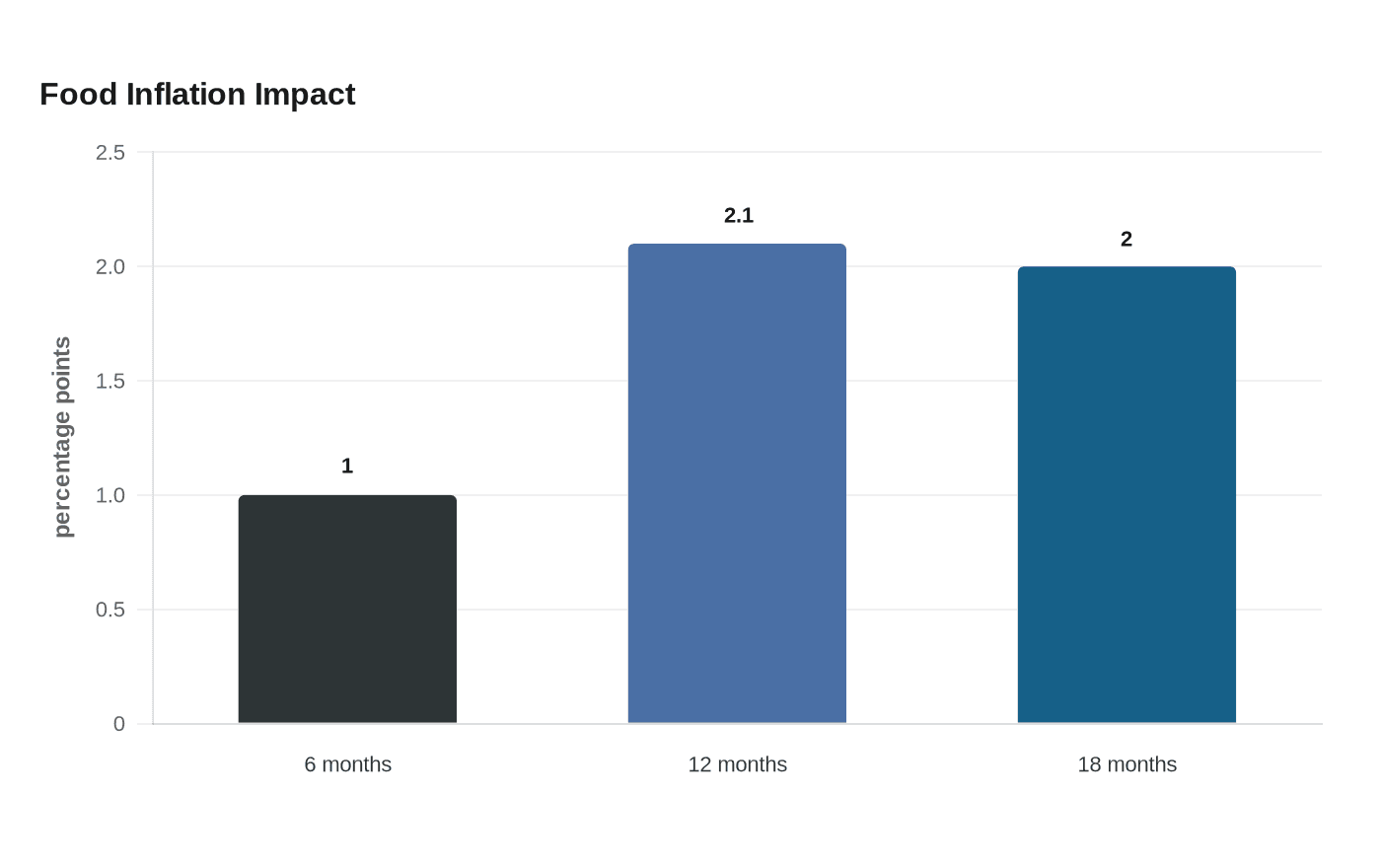
Goldman saw Southeast Asia food inflation rising 1 percentage point in six months as oil, fertilizer and El Niño risks hit import-heavy economies.
Goldman Sachs warned that Southeast Asia could face a sharper food-price shock as Middle East conflict lifted oil and fertilizer costs and an El Niño pattern began to build. In a June 22 note, the bank estimated the combined hit could add about 1 percentage point to food inflation after six months, 2.1 percentage points after 12 months, and then ease slightly to about 2 percentage points after 18 months.
The transmission is straightforward and ugly for import-dependent economies. A Goldman note on Hormuz-related agricultural risks said nitrogen fertilizer prices had already risen 40% since the conflict began, while the World Bank said Middle East disruption and strains around the Strait of Hormuz were pushing up global food markets through higher energy, fertilizer and transport costs. Singapore and the Philippines stood out in coverage as the most vulnerable because both are net food importers, and Thailand was singled out for exposure because it imports more than 90% of its fertilizer.
That warning landed against an already fragile regional outlook. The Asian Development Bank said on April 29 that prolonged conflict-related disruptions could raise inflation in developing Asia and the Pacific by 3.2 percentage points over 2026 and 2027 and cut growth by as much as 1.3 percentage points. In its April outlook, the bank projected inflation in developing Southeast Asia would rise from 2.3% in 2025 to 3.2% in 2026, with higher energy and food production costs adding further pressure if the conflict dragged on.
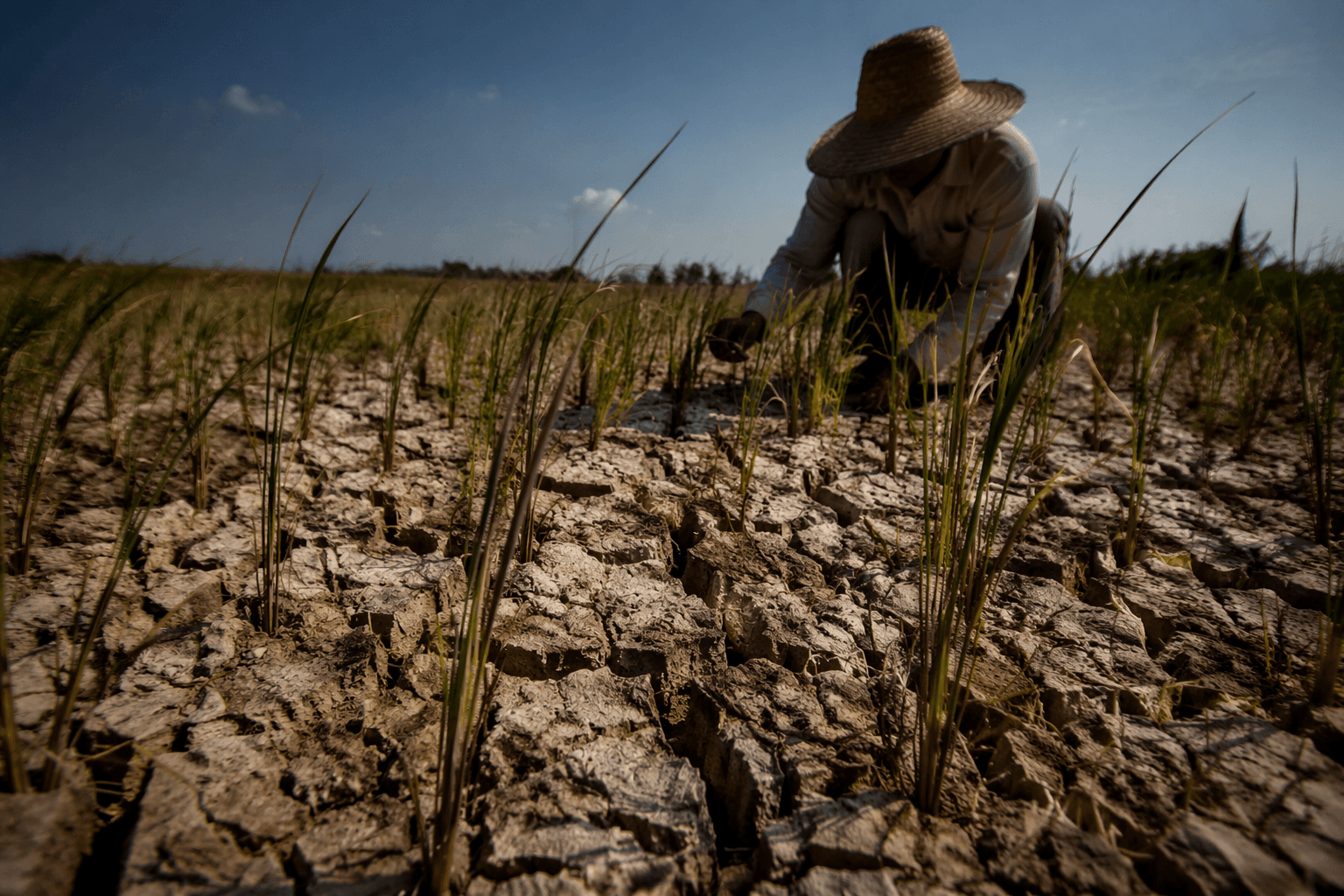
Weather is now part of the same trade. The Food and Agriculture Organization of the United Nations has warned that El Niño typically brings below-normal rainfall to parts of Southeast Asia, particularly around the June-to-September monsoon period in much of South Asia. NOAA’s June 2026 ENSO outlook said El Niño had formed and was expected to strengthen, giving Goldman’s call a more immediate weather backdrop than a normal commodity-cycle forecast.
For Goldman employees, the story would be felt first by the teams closest to tradeable inflation and policy risk: commodities, macro, emerging markets, and Southeast Asia coverage. Analysts and associates would be rerunning food, energy and transport assumptions; economists would be fielding client questions about sticky inflation and rate paths; and bankers covering Singapore, the Philippines and Thailand would be pressing companies on margin pressure, input hedging and balance-sheet risk before the next round of client meetings and compensation reviews.
This article was produced by Prism’s automated news system from verified source data, official records, and press releases, then run through automated quality and moderation checks before publishing. The system is built and supervised by the people who set the standards it runs under. Read our full AI policy.
Did this article answer your question?