Goldman Says Abu Dhabi Clients Focus on Deals Despite Iran Tensions
Abu Dhabi clients kept asking Goldman for deal lists as Iran tensions spiked, a sign the region’s capital hubs were still pressing ahead.

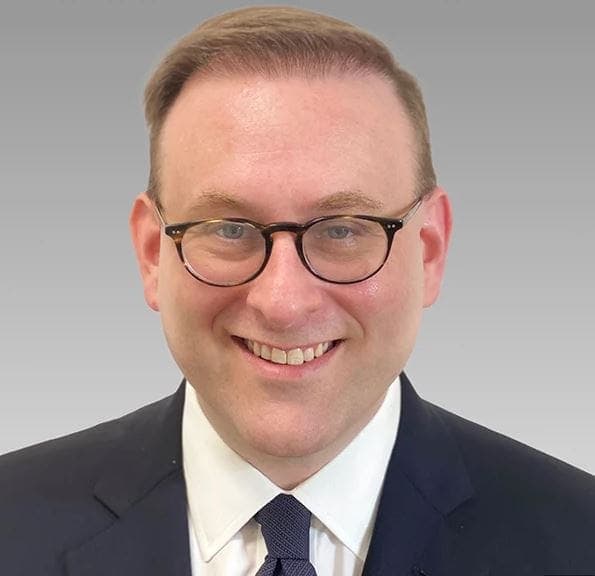
While headlines centered on the risk of a wider Iran conflict, Anthony Gutman said his Abu Dhabi clients were focused on transactions. After 24 hours of back-to-back meetings with sovereign wealth funds and corporate clients, Goldman Sachs International’s co-chief executive said the question was not about macro reassurance but about deal flow.
Gutman said the mood in the emirate remained constructive, even as Goldman’s economists modeled what would happen if the Strait of Hormuz stayed shut. “The UAE leadership has done a phenomenal job dealing with the safety and security of their people,” he said, arguing the country still stood out as a place where people wanted to do business, bring families and feel secure.
The message matters for Goldman’s bankers because Abu Dhabi is not just a stop on the road, it is becoming a core growth engine. The emirate’s sovereign entities together control about $1.7 trillion in wealth, with the Abu Dhabi Investment Authority alone described as a $1 trillion fund. That capital has helped draw Goldman, Brevan Howard Asset Management and Ray Dalio’s family office deeper into the local market, while Abu Dhabi’s own investors continue to show up in major transactions despite the war risk.
Gutman said Goldman’s advisory backlog remained close to record levels, and more than 20 deals of $10 billion or more were executed in the first quarter alone. He also said Goldman had just reported one of its strongest and most profitable quarters on record, with more than $4 billion in revenue. For dealmakers, that points to a pipeline that is still rich enough to keep senior coverage teams busy and junior bankers in the familiar cycle of pitch books, live mandates and late-night calls.
At the same time, Goldman’s risk work is tracking the conflict closely. The firm’s asset-management commentary has said the Strait of Hormuz carries roughly one-fifth of global petroleum liquids consumption, and its market brief warned that oil could move above $100 a barrel if escalation closed the waterway for an extended period. Goldman has also said broader market damage would be worse if the conflict dragged on or critical energy infrastructure was hit, even as early market reaction has already brought volatility to equities, fixed income, currencies and commodities.
The regional push is showing up in Goldman’s own leadership bench. The bank has built a senior team focused on Middle Eastern investors, including Gutman, Zaid Khaldi, Marc Nachmann and Jared Cohen, a sign that the Gulf is no longer a side market but a central arena for fees, relationships and competitive position. In Abu Dhabi, at least for now, the clients seem to be treating geopolitical instability as background noise and the deal list as the main event.
This article was produced by Prism’s automated news system from verified source data, official records, and press releases, then run through automated quality and moderation checks before publishing. The system is built and supervised by the people who set the standards it runs under. Read our full AI policy.
Did this article answer your question?