Goldman Says Hedge Funds Turn More Bearish as Stock Selling Surges
Hedge funds were more bearish than at Goldman’s prior panic peak, with March selling the fastest in 13 years and the second-largest since 2011.
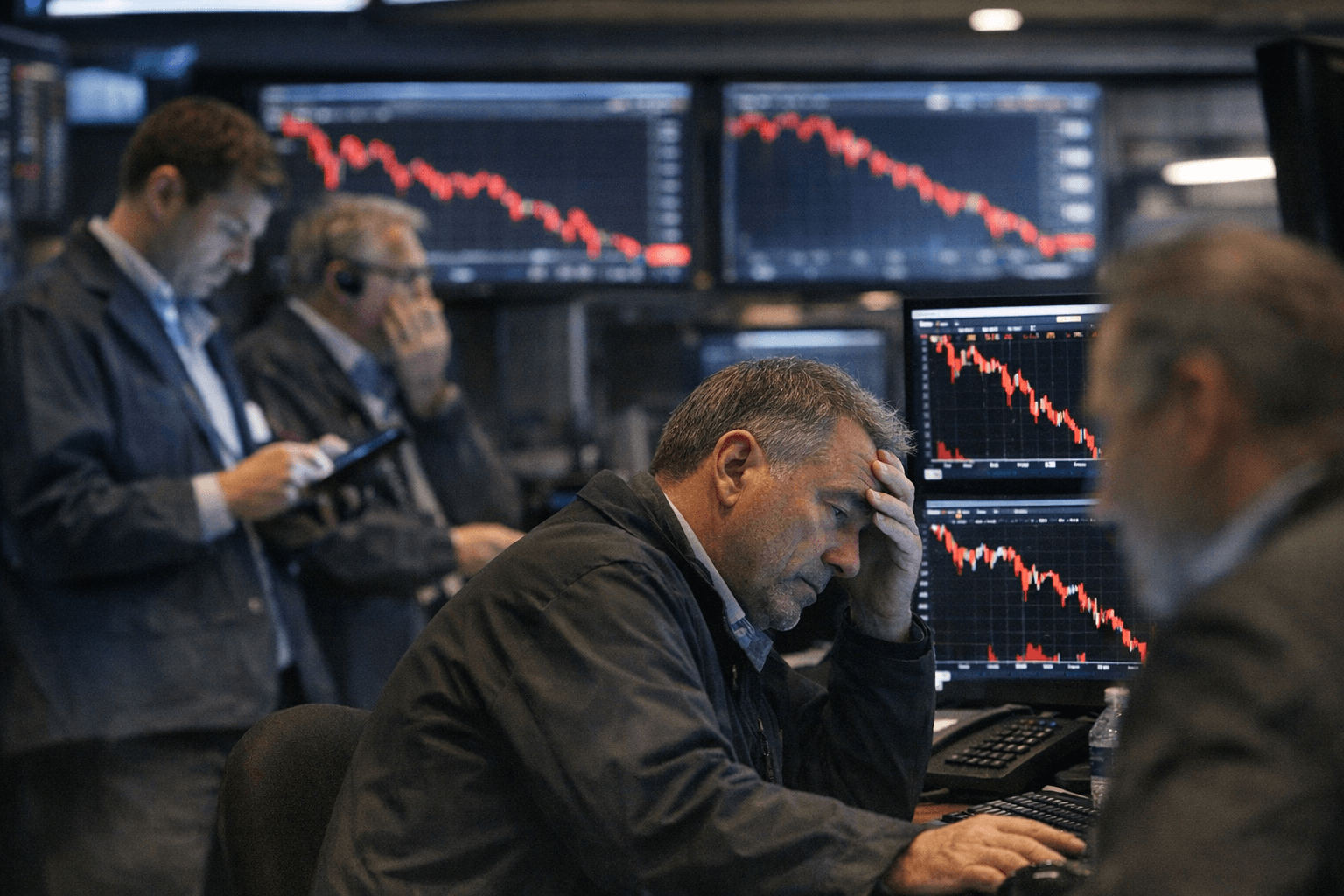
Hedge funds were even more bearish in March than they were at Goldman Sachs’ Liberation Day bear-market peak, a sharp warning from the bank’s own prime-brokerage desk that sophisticated investors were still bracing for more volatility. Goldman said funds sold global stocks at the fastest pace in 13 years, and that March move was the second-largest in its data set going back to 2011.
For Goldman Sachs Group Inc., the message is not just about sentiment. Its prime-brokerage data offers a live read on how hedge funds are positioning money across stocks, ETFs and futures, and the picture in early 2026 was unusually defensive. In early February, Goldman said notional short selling across single stocks had reached the biggest level on record in data going back to 2016. The bank also said hedge funds net sold U.S. equities for a fourth straight week at the heaviest pace since Liberation Day in early April.
The detail that stands out is how funds got there. Goldman’s March desk note said speculative investors largely kept their bullish single-stock positions intact while building bearish hedges through ETFs and index futures. That pushed short exposure in U.S. macro products to its highest level since September 2022, even as gross exposure hovered near an all-time high at 307%. In software, aggregate net exposure fell to 2.6% and the long-short ratio slid to 1.3, both record lows.
That mix suggests hedge funds were not simply dumping risk across the board. They were keeping some individual names while layering on protection, a sign of caution around the Iran war, oil and inflation fears, AI disruption and the violent swings hitting equities. On April 8, Goldman said hedge funds were covering stock short bets at the fastest pace since the market rebound from the March 2020 pandemic crash. John Flood said the unwind of macro shorts could help fuel a sharp index-level rally if a positive headline landed.
By April 13, the tone had already started to flip. Hedge funds had piled back into bullish stock bets ahead of weekend U.S.-Iran talks, with the majority of stock trades long for the first time in eight weeks, while still remaining short single stocks and selling the most tech stocks in five years. That is the tension Goldman’s desk is signaling now: extreme caution can become contrarian fuel, but it can also be a warning that the market is underpricing a real macro shock.
Goldman’s own outlook stays constructive, with forecasts for global stocks to return 11% over the next 12 months and the S&P 500 to rise 12% in 2026. The hedge-fund data says the path there may still be jagged.
Know something we missed? Have a correction or additional information?
Submit a Tip