Goldman warns Middle East conflict could push oil above $100 a barrel
Goldman says a Hormuz shutdown could push oil above $100, putting energy, rates and Middle East client teams back on inflation watch.
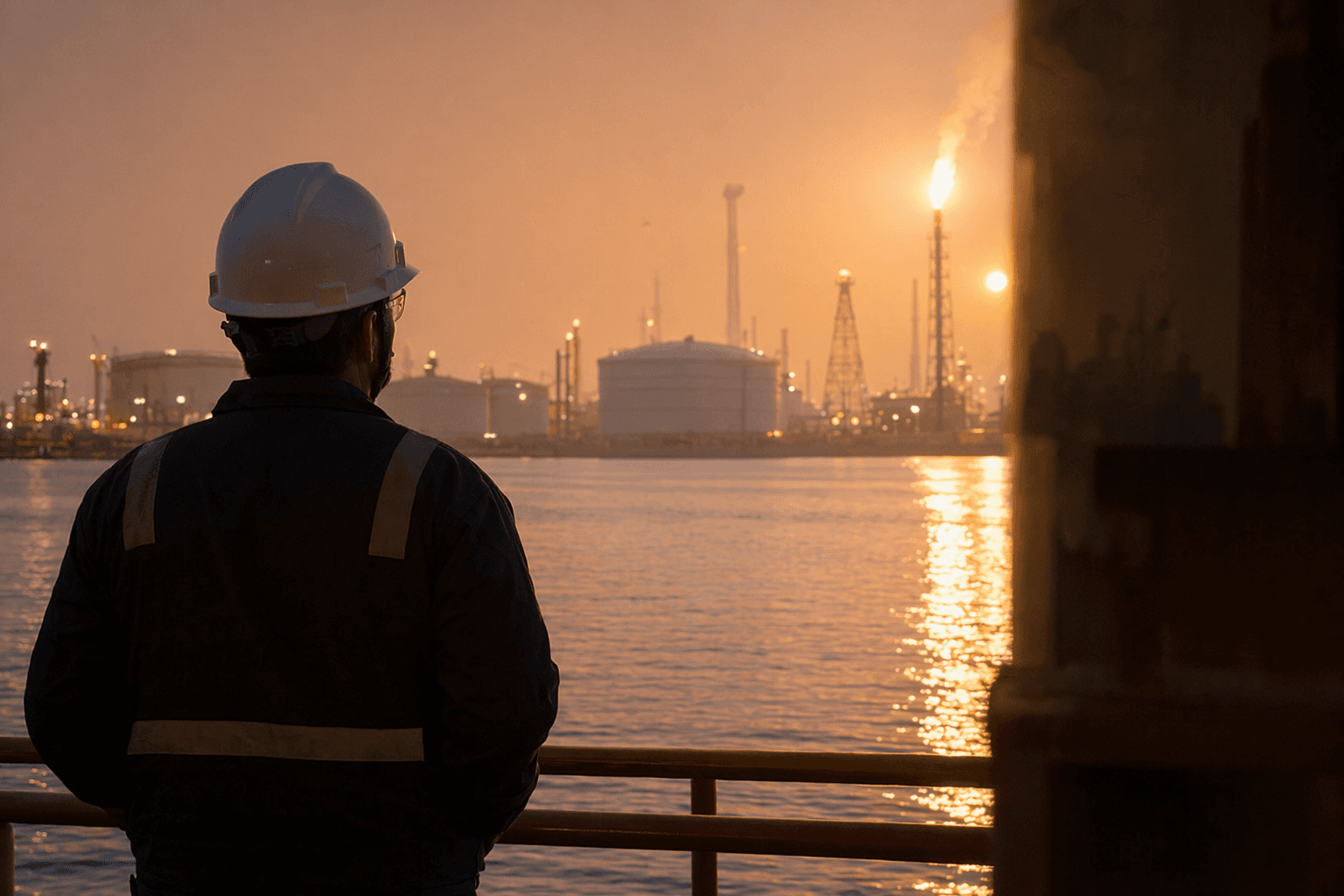
Goldman Sachs is warning that the biggest market downside right now is not a soft landing, but a renewed Middle East conflict that disrupts the Strait of Hormuz. In Goldman’s view, a prolonged closure of the waterway, or damage to critical oil infrastructure, could send oil above $100 a barrel and force a broad repricing across equities, bonds, currencies and commodities.
That matters inside the firm because the stress would not stay confined to energy trading. Goldman said early market reactions to Middle East escalation have already been volatile, and its March 3 market brief noted that U.S. rates sold off as higher energy prices revived inflation worries. For fixed income desks, that means sharper moves in Treasury pricing and more client demand for hedges. For commodities traders, it means another surge in demand for oil-risk exposure. For bankers covering oil importers, airlines, industrials and consumer clients, it means more questions about margins, fuel costs and financing plans.

The firm’s energy research showed how quickly the market had already moved. As of March 3, traders were pricing about $14 a barrel of extra risk premium, roughly what Goldman said would reflect a full four-week halt in Strait of Hormuz flows, even with spare pipeline capacity providing only a partial offset. Brent had climbed from around $65 in early June 2025 to the low $80s after U.S. and Israeli strikes on Iran’s nuclear facilities before easing back as supply-disruption fears cooled.
Goldman’s asset-management briefing said the Strait normally carries roughly one-fifth of global petroleum liquids and LNG flows, which is why the firm sees a sustained closure as a tail risk that could hit broader markets hard. Goldman Sachs Asset Management said it is maintaining an underweight on the Middle East, and warned that a prolonged disruption could flatten developed-market yield curves and pressure oil-importing economies through inflation and terms-of-trade shocks.
That backdrop cuts into Goldman’s 2026 playbook. Dominic Wilson’s outlook still centers on sturdy global growth, with the firm pegging world GDP growth at 2.8% for 2026, but it also says AI capex is expected to extend even as valuations have run ahead and could lift volatility. Goldman has also pushed expectations for U.S. rate cuts back, with Reuters reporting on May 11 that the bank now sees moves in December 2026 and March 2027, later than its earlier September and December timeline.
For Goldman employees, the practical consequence is clear: a Middle East shock would feed directly into the desks that trade energy and rates, the client teams that finance trade-sensitive businesses, and the dealmakers whose pipelines depend on calmer markets. In a year already shaped by stretched AI valuations and “hot valuations,” the next repricing could come from the most old-fashioned risk of all: oil.
This article was produced by Prism’s automated news system from verified source data, official records, and press releases, then run through automated quality and moderation checks before publishing. The system is built and supervised by the people who set the standards it runs under. Read our full AI policy.
Did this article answer your question?