Goldman’s Waldron says SpaceX IPO shows investor appetite for AI infrastructure
Waldron is using SpaceX’s $75 billion listing to argue that investors still back giant AI buildouts, from satellites and data centers to networking and power.
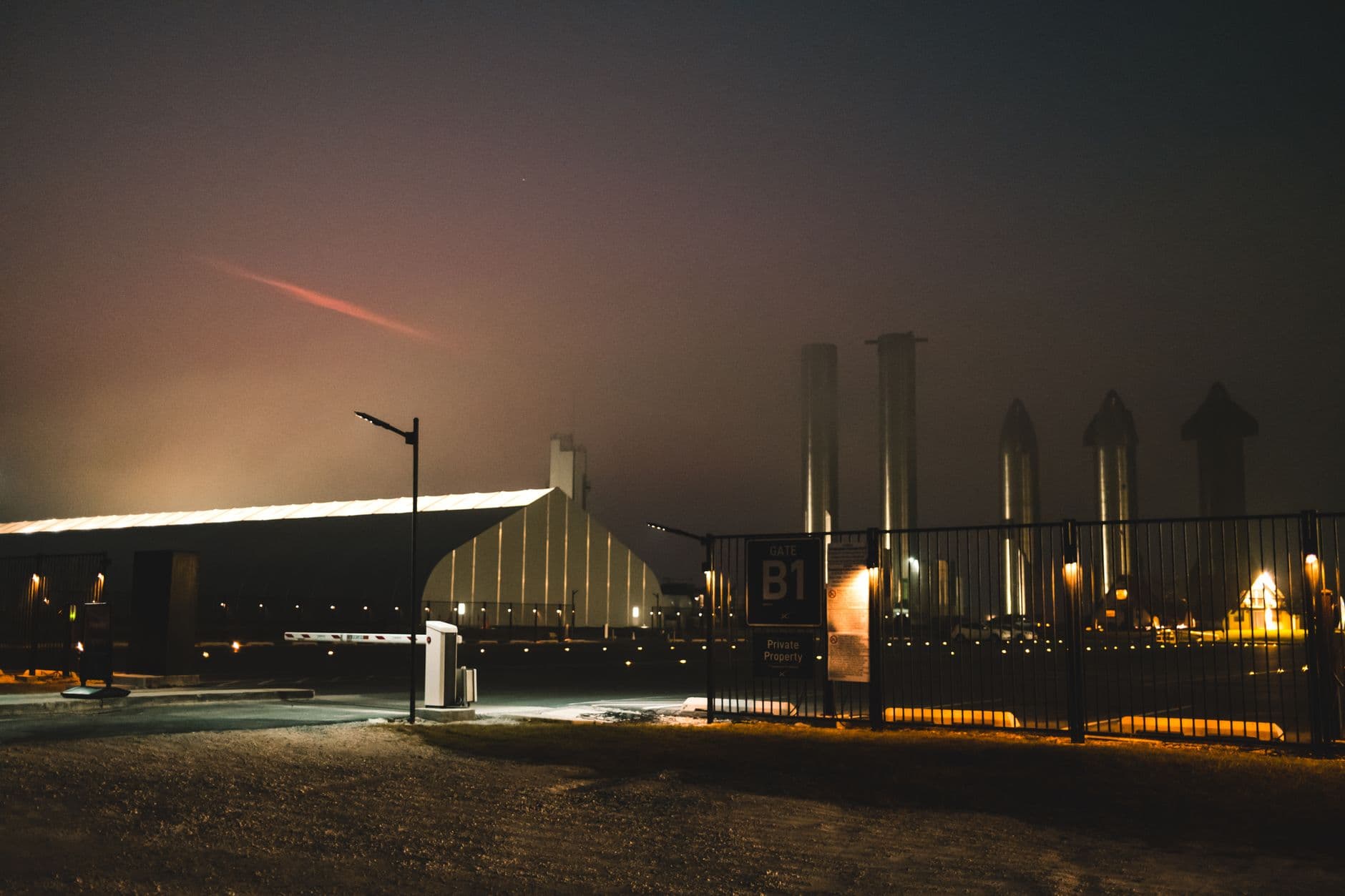
SpaceX’s $75 billion listing is giving Goldman Sachs a new argument about where the money still is. John Waldron is treating the deal as proof that investors will back massive, long-duration infrastructure bets when the strategic story is big enough, and that the AI trade is wider than chips and cloud software.
The line matters inside Goldman because it redraws the map of what can get funded. In Waldron’s telling, the winners are not only the obvious AI names, but also the businesses that make large-scale deployment possible: satellite connectivity, power, data centers, networking, and other physical layers of the buildout. SpaceX priced its IPO at $135 a share, sold 555.6 million shares, and began trading on Nasdaq under the ticker SPCX. The stock opened at $150 and later traded as high as $176, a fast first-day pop for a deal already billed as the largest IPO on record.
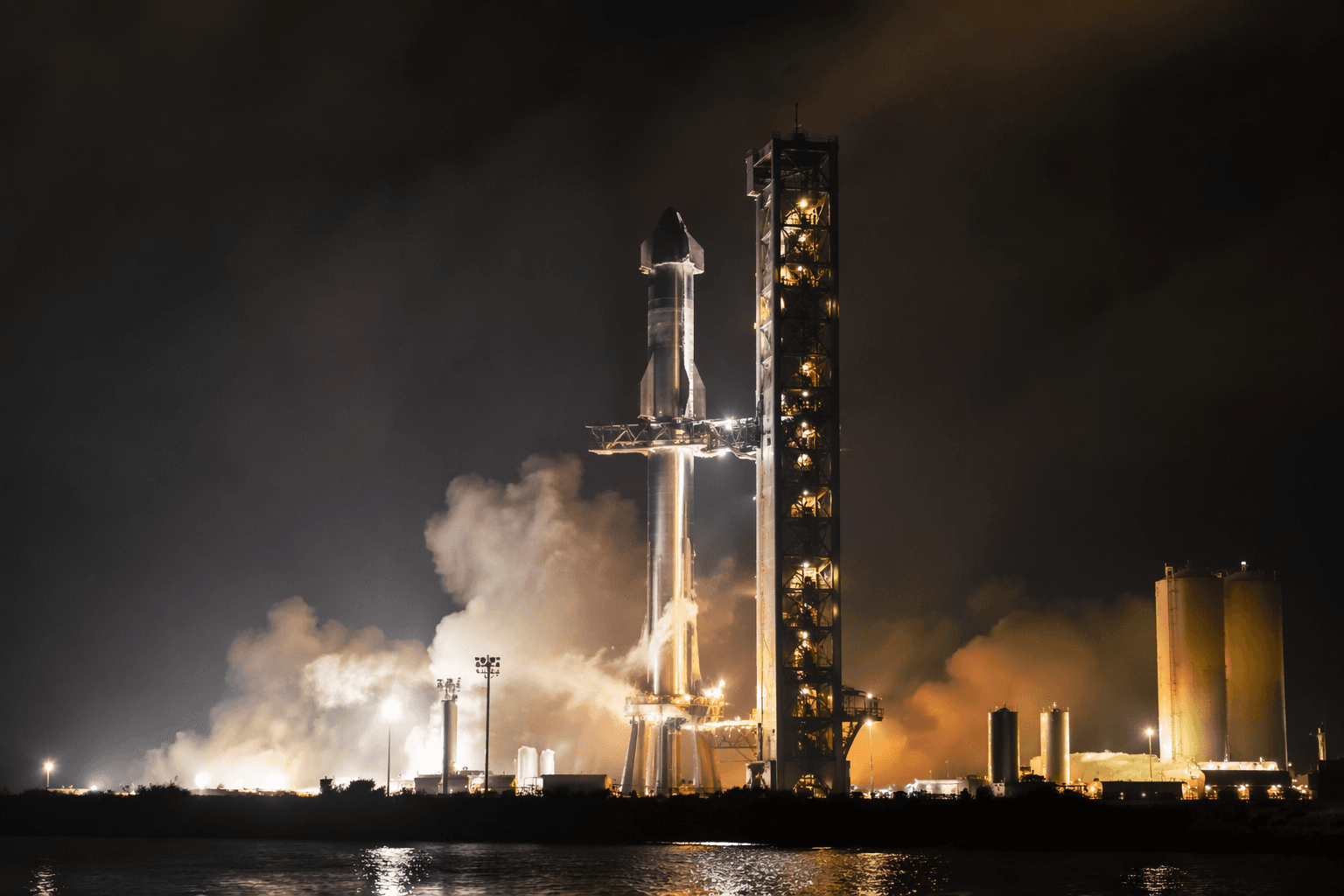
Goldman is not just reading the transaction as market theater. It is leading the IPO with Morgan Stanley, Bank of America, Citigroup, and JPMorgan Chase, and the fee pool is expected to total about $500 million. Goldman and Morgan Stanley are each expected to collect around $100 million, the kind of mandate that lands hard in a year-end bonus conversation and reinforces which bankers have the relationships to win the biggest mandates. For a firm that sells both capital and judgment, the message is that the marquee deals are still going to the banks that can connect a frontier-tech narrative to public-market appetite.
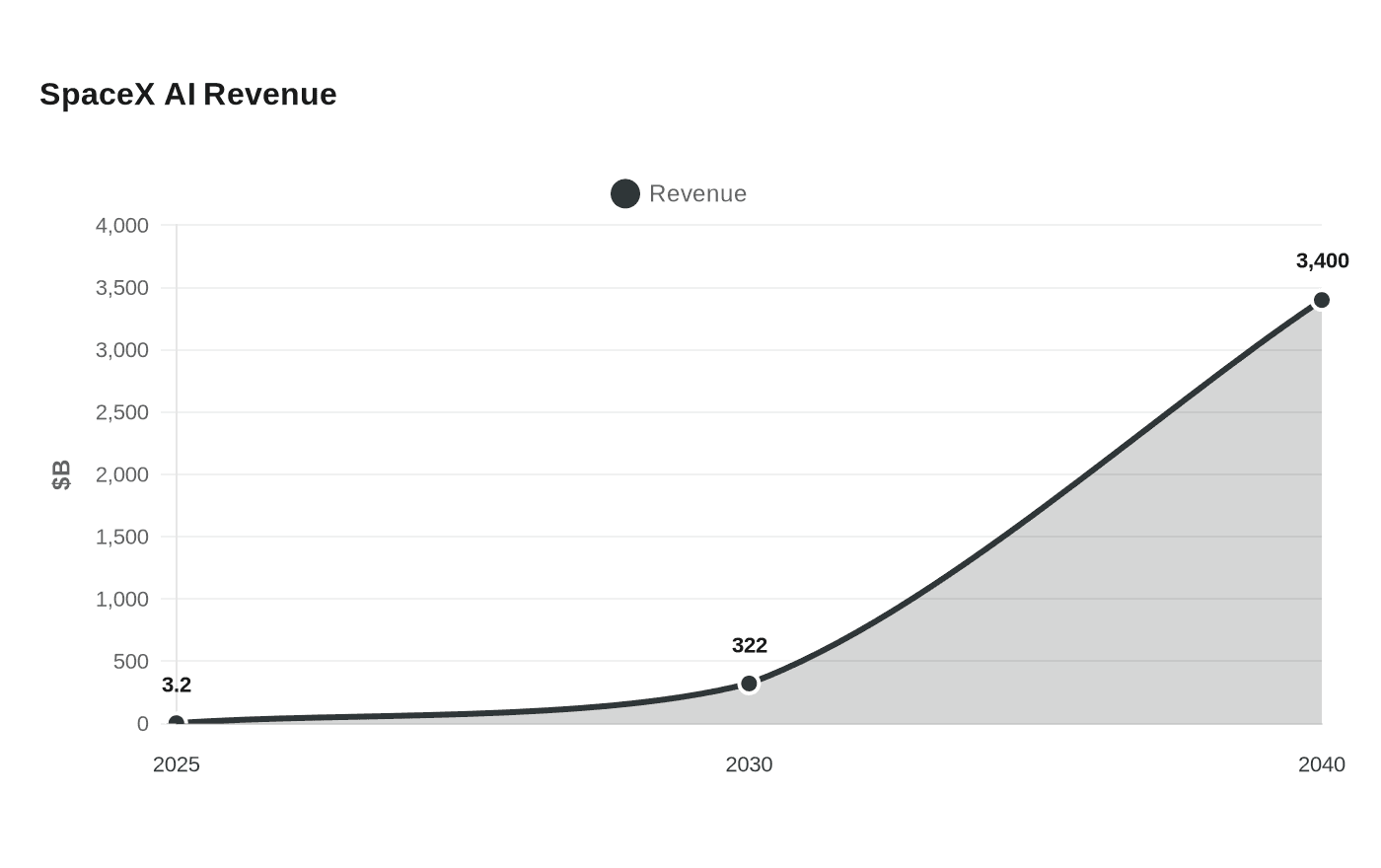
Goldman has also been leaning into the scale of the story itself. The bank has told investors that SpaceX’s AI-related revenue could rise to $322 billion by 2030 from $3.2 billion in 2025. Morgan Stanley has reportedly sketched an even more aggressive path, putting revenue at $3.4 trillion in 2040. That kind of forecasting is doing more than boosting a pitch deck. It is helping Wall Street decide which private companies look financeable at public-market scale, and which remain too speculative for the kind of capital they want.
Elon Musk said SpaceX had been cash-flow positive since around 2015 and that the IPO would fund a significant growth phase. Gwynne Shotwell said the public debut was effectively an unveiling of SpaceX and did not rule out a possible Tesla tie-up. Reuters also reported Musk’s view that orbital AI data centers are not a difficult engineering challenge and that much of the needed technology already exists in Starlink. Waldron’s bigger point is that investor tolerance has not disappeared. It has simply become more selective, and Goldman appears to be mapping the hierarchy of who gets financed next.
This article was produced by Prism’s automated news system from verified source data, official records, and press releases, then run through automated quality and moderation checks before publishing. The system is built and supervised by the people who set the standards it runs under. Read our full AI policy.
Know something we missed? Have a correction or additional information?
Submit a Tip