JPMorgan rolls out AI across banking, raising pressure on Goldman Sachs
JPMorgan’s global AI push makes Goldman bankers compete on faster pitch prep, sharper diligence and cleaner client-ready output, not just head count.
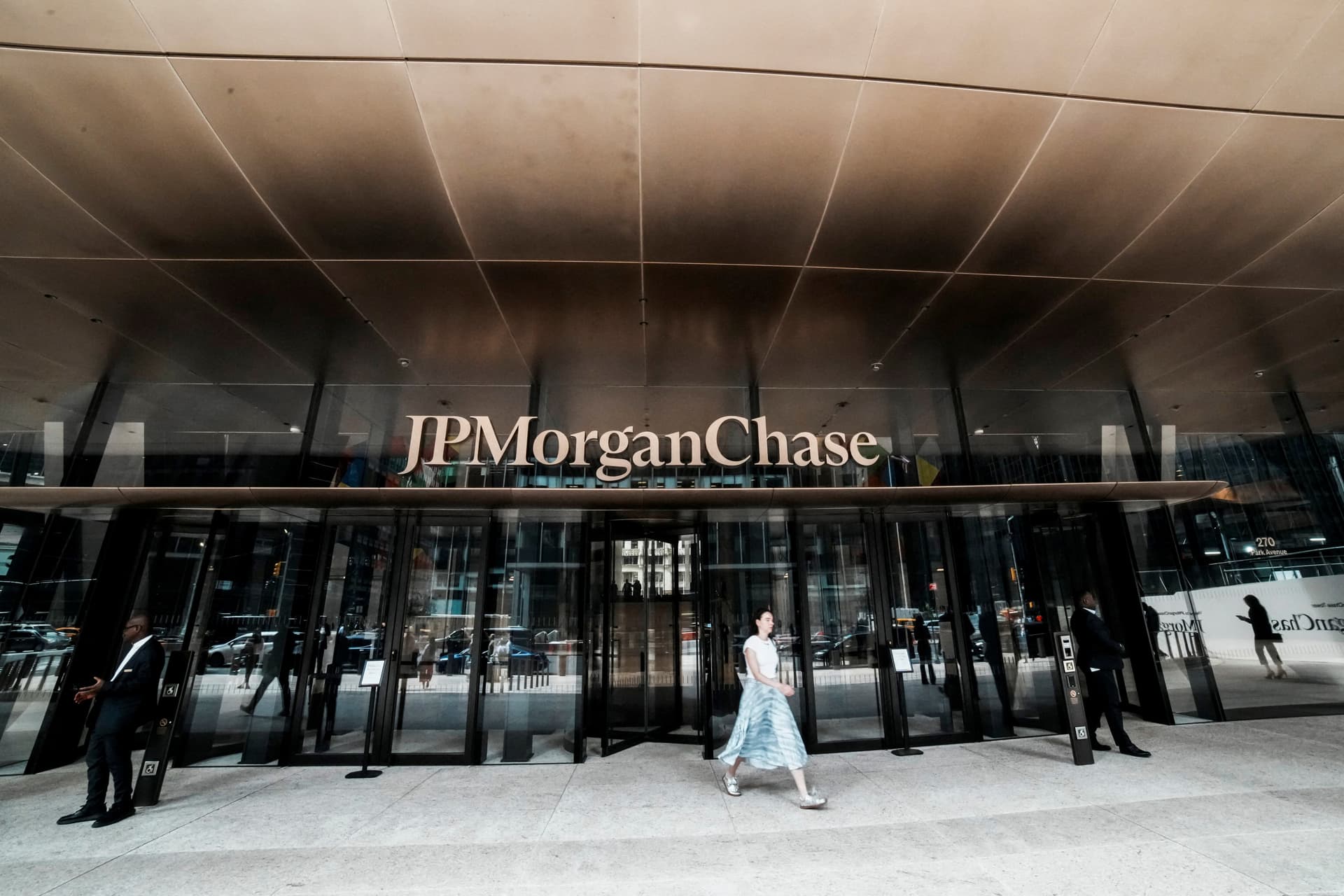
JPMorgan’s decision to roll artificial intelligence tools across its global investment banking business has turned AI from a side project into a front-line competitive issue for Goldman Sachs bankers. For Goldman employees, the signal is clear: if a rival can speed up pitch preparation, surface relevant information and tighten client engagement across a worldwide banking franchise, the bar for workflow speed and output quality is rising fast.
The change matters because investment banking is part assembly line and part judgment call. In areas where the work is standardized, AI can shave time off drafting and data gathering. That shifts more of the burden onto analysts and associates to check outputs, add context and turn raw material into client-ready narratives. For vice presidents and managing directors, the bottleneck moves again, from producing first drafts to deciding what the machine-generated version should actually say and whether it will survive client scrutiny. JPMorgan’s Asia investment banking head, Samuel Shen, said the firm was among the first in the sector to adopt the technology widely, underscoring how quickly AI is becoming a competitive baseline rather than an optional experiment.

Goldman is already on that path. The bank launched its GS AI Assistant firmwide on June 23, 2025, and around 10,000 employees were already using it at launch. Goldman said the tool sat behind the firewall for security reasons, a reminder that the bank’s version of AI adoption still has to fit inside the controls, confidentiality rules and supervisory structure that define regulated finance. For bankers, that means AI fluency is no longer just a technology skill. It is becoming part of what managers expect from people who want to move up.
Goldman has pushed further since then. In February, CNBC reported the bank had been working with Anthropic for about six months to build AI agents for trade accounting, transaction accounting, client vetting, due diligence and onboarding. Marco Argenti, Goldman’s chief information officer, said the firm expected efficiency gains rather than immediate layoffs. That framing matters for employees who worry that automation will translate directly into cuts. At Goldman, the nearer-term effect looks more like higher throughput and tighter expectations than a sudden head-count reset.
Goldman also said in 2024 that it had launched a three-year program to optimize its organizational footprint, manage non-compensation expenses and increase automation, including through AI solutions. Put together, JPMorgan’s rollout and Goldman’s own internal program show Wall Street moving from AI pilots to embedded daily use. For Goldman bankers, the practical question is no longer whether AI arrives in the workflow. It is how quickly it changes the pace, polish and accountability of the work already expected.
This article was produced by Prism’s automated news system from verified source data, official records, and press releases, then run through automated quality and moderation checks before publishing. The system is built and supervised by the people who set the standards it runs under. Read our full AI policy.
Did this article answer your question?