SEC moves to scrap climate disclosure rules, shifts to materiality first
Goldman’s legal, finance and disclosure teams may see some relief, but investor relations, ESG and Europe-facing staff may still field nearly the same climate demands.
Goldman Sachs employees who built climate disclosure controls for the SEC’s now-stalled rule may not get the clean break they expected. The biggest immediate winners are likely legal, finance and regulatory-reporting teams that can stop preparing for a highly prescriptive federal regime, while investor relations, sustainability and Europe-facing staff may still have to assemble much of the same information for clients, lenders and overseas regulators.
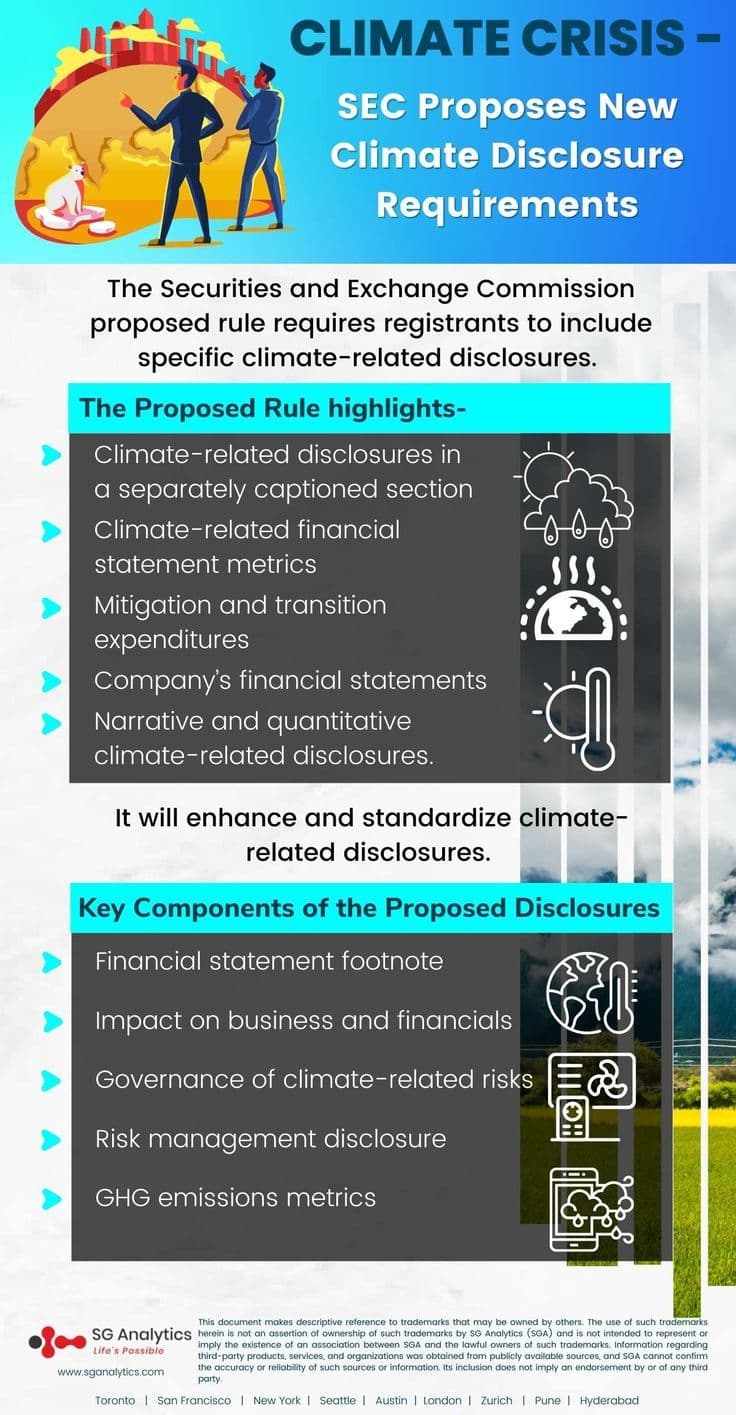
The Securities and Exchange Commission proposed rescinding its climate-related disclosure rules on May 29, saying the framework was overly burdensome, costly and beyond the agency’s statutory authority. SEC Chair Paul S. Atkins pushed the commission back toward a materiality-based standard, arguing that disclosure should be tied to what is actually important to investors rather than a broad set of mandated climate metrics.

For Goldman’s capital markets teams, that shift changes the assignment more than it removes it. The 2024 rule would have required highly specific disclosures from virtually all public companies, including greenhouse gas emissions, climate-risk management and the financial-statement effects of severe weather events. It was originally pitched as a way to give investors more consistent, comparable and reliable climate information. But the rule was stayed on April 4, 2024, before it ever took effect, after litigation moved to the U.S. Court of Appeals for the Eighth Circuit.
That matters for staffing and influence inside the bank. ECM and DCM bankers may spend less time helping clients build SEC-specific reporting machinery and more time advising on what counts as material, what investors still expect and how to explain sustainability positions without overengineering compliance. ESG product teams may face the sharpest squeeze: a looser SEC regime widens the gap between what the law requires and what the market, rating agencies and non-U.S. regulators continue to ask for.
The chronology also shows how political the issue has become. The SEC adopted the climate disclosure rules on March 6, 2024, by a 3-2 vote. On March 27, 2025, the commission voted to end its defense of the final rules in court. Then on Sept. 12, 2025, the Eighth Circuit held the consolidated petitions in abeyance while the SEC reconsidered the rules or renewed its defense. The May 29 rescission proposal is the culmination of a rule that never really got off the ground.
At Goldman, the practical takeaway is that climate disclosure is becoming more fragmented, not less important. The SEC may be narrowing its role, but clients still face overlapping demands from investors, lenders, state regimes and Europe. The bank’s edge will come from helping them decide what is truly material and what still has to be said, without building systems the law no longer requires.
This article was produced by Prism’s automated news system from verified source data, official records, and press releases, then run through automated quality and moderation checks before publishing. The system is built and supervised by the people who set the standards it runs under. Read our full AI policy.
Did this article answer your question?