Solomon says U.S. recession risk could be one tweet away
Solomon told a Manhattan crowd recession risk could be “one tweet away,” a warning that headline risk can still reset deal timing, hiring and client appetite fast.
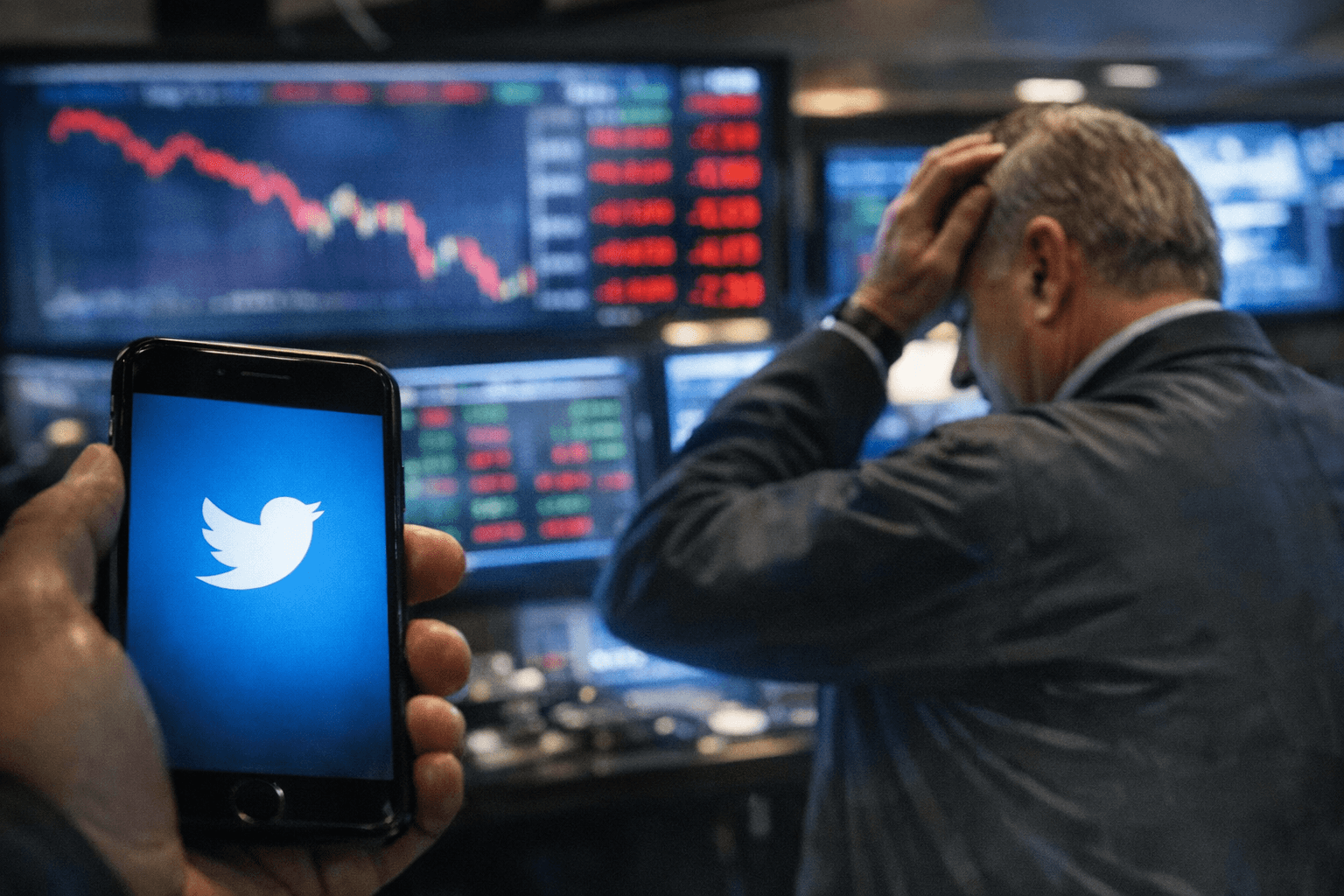
Recession risk could be “only one tweet away,” David Solomon told a Manhattan audience on Tuesday, a line that drew laughter and landed as more than a joke. For Goldman Sachs, the message was that geopolitical headlines, especially around the Iran war and the administration’s response on social media, can still change market sentiment, policy expectations and client behavior faster than underlying economic data.
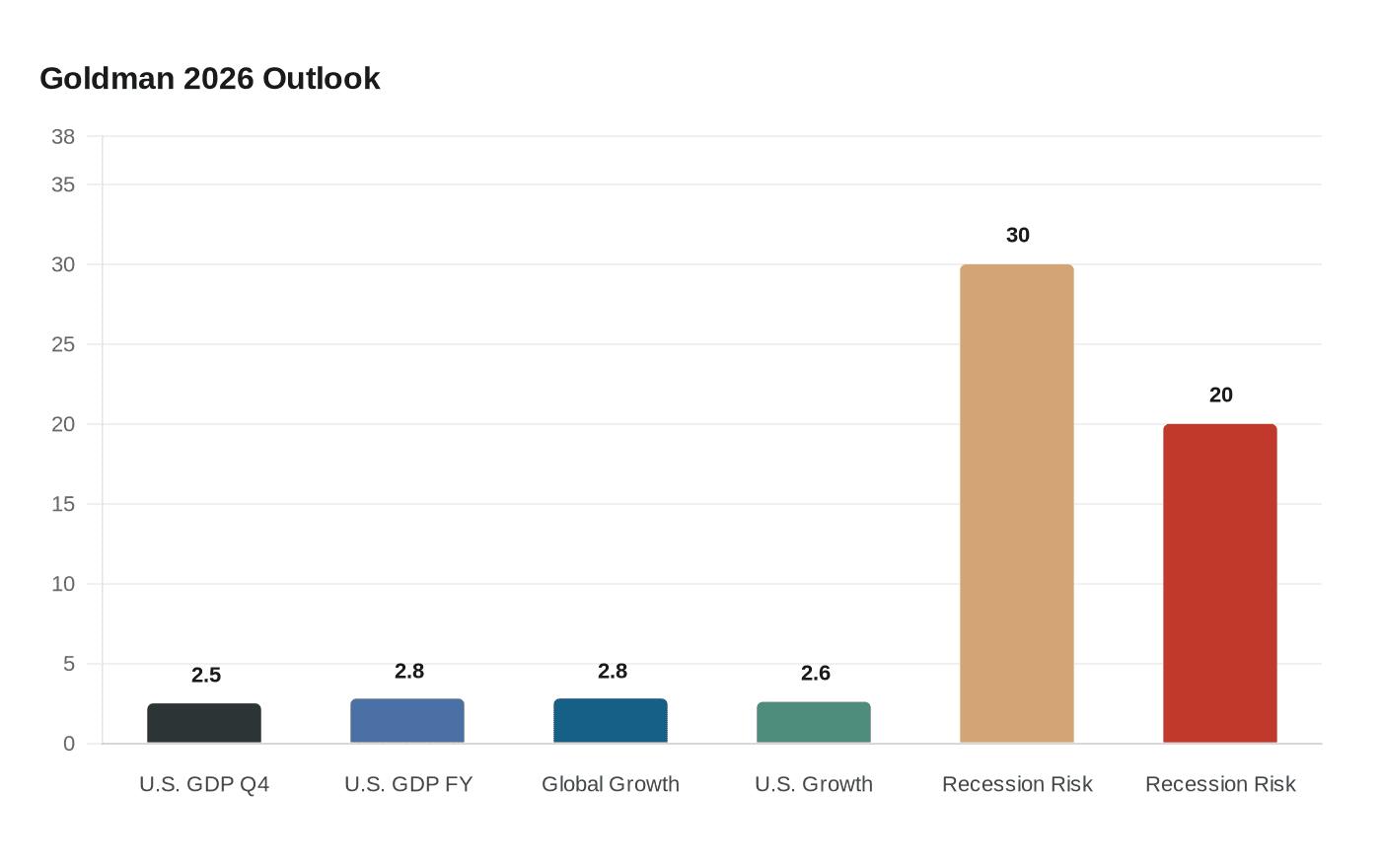
Solomon made the remark during “David Solomon on the Global Economic Outlook” at the Paley Center for Media, 25 West 52 Street, from 8:00 a.m. to 9:00 a.m. in New York City. The setup mattered: Goldman’s own economists have been leaning constructive on growth, even as they keep a close eye on shock risk. The bank’s 2026 outlook says U.S. GDP is projected to expand 2.5% in the fourth quarter year over year and 2.8% for the full year, while the probability of a U.S. recession over the next 12 months fell from 30% to 20% as of Jan. 11.

That split between steady macro forecasts and sudden policy shock is the real management signal for Goldman employees. When volatility turns on a headline, bankers have to rethink whether clients will still press ahead with capital raising or M&A, whether hedge fund and corporate risk appetite will hold, and how fast cross-asset moves can ripple from oil into rates, equities and credit. For junior staff, Solomon’s framing is a reminder that the firm’s internal message is still caution first: growth may look sturdy, but timing can change in a day if rhetoric or conflict escalates.
Goldman’s Macro Outlook 2026 is still projecting global growth of 2.8% and U.S. growth of 2.6%, but recent Middle East stress has given those numbers a sharper edge. On March 4, Solomon described market reaction to the conflict as “benign” so far. Then, on April 9, Goldman warned Brent crude could rise above $100 a barrel through 2026 if the Strait of Hormuz stayed closed for another month. That is the kind of scenario that can quickly hit client budgets, financing costs and investment committees.
Solomon had strong numbers behind him when he raised the warning. Goldman reported first-quarter 2026 net revenues of $17.23 billion and net earnings of $5.63 billion on April 13, with an annualized return on common equity of 19.8%. Even so, his point was clear: a solid quarter does not insulate the firm if the next geopolitical shock, or the next post, changes the market’s mood in minutes.
This article was produced by Prism’s automated news system from verified source data, official records, and press releases, then run through automated quality and moderation checks before publishing. The system is built and supervised by the people who set the standards it runs under. Read our full AI policy.
Did this article answer your question?