April jobs report signals tighter hiring for Home Depot managers
Hiring eased on paper, but Home Depot managers still face a tight race for reliable hourly workers as spring demand stays uneven.
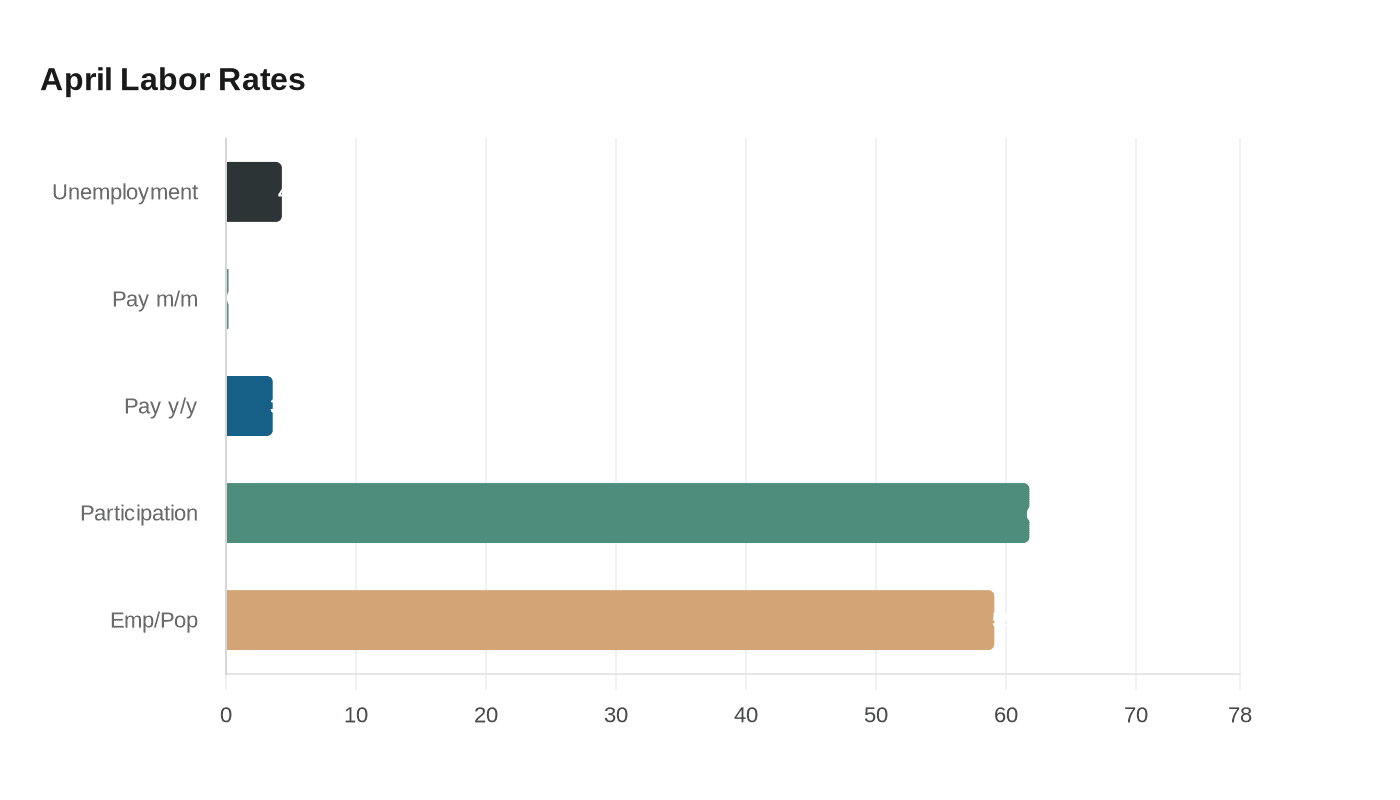
The practical question for Home Depot managers is not whether the labor market cooled, but whether it cooled enough to make hiring, scheduling and retention easier before peak season. The April jobs report says no clear break: nonfarm payrolls rose by 115,000, unemployment held at 4.3 percent, and average hourly earnings still climbed 0.2 percent for the month and 3.6 percent over the year. That is a softer headline than March, but it is not the kind of labor picture that suddenly floods stores with applicants or removes pressure on wages.
The Bureau of Labor Statistics said April job gains came in health care, transportation and warehousing, and retail trade. CNBC’s follow-up on retail hiring showed why store leaders should keep paying attention: retailers added nearly 22,000 jobs in April, retail employment reached nearly 15.5 million, the most since July 2024, and March brought the largest number of monthly retail job openings since 2023. The labor force participation rate was 61.8 percent, the employment-population ratio was 59.1 percent, and the number of people working part time for economic reasons rose by 445,000 to 4.9 million. Taken together, those figures point to a labor market that is still functioning, but still leaving managers to compete for dependable hourly workers.
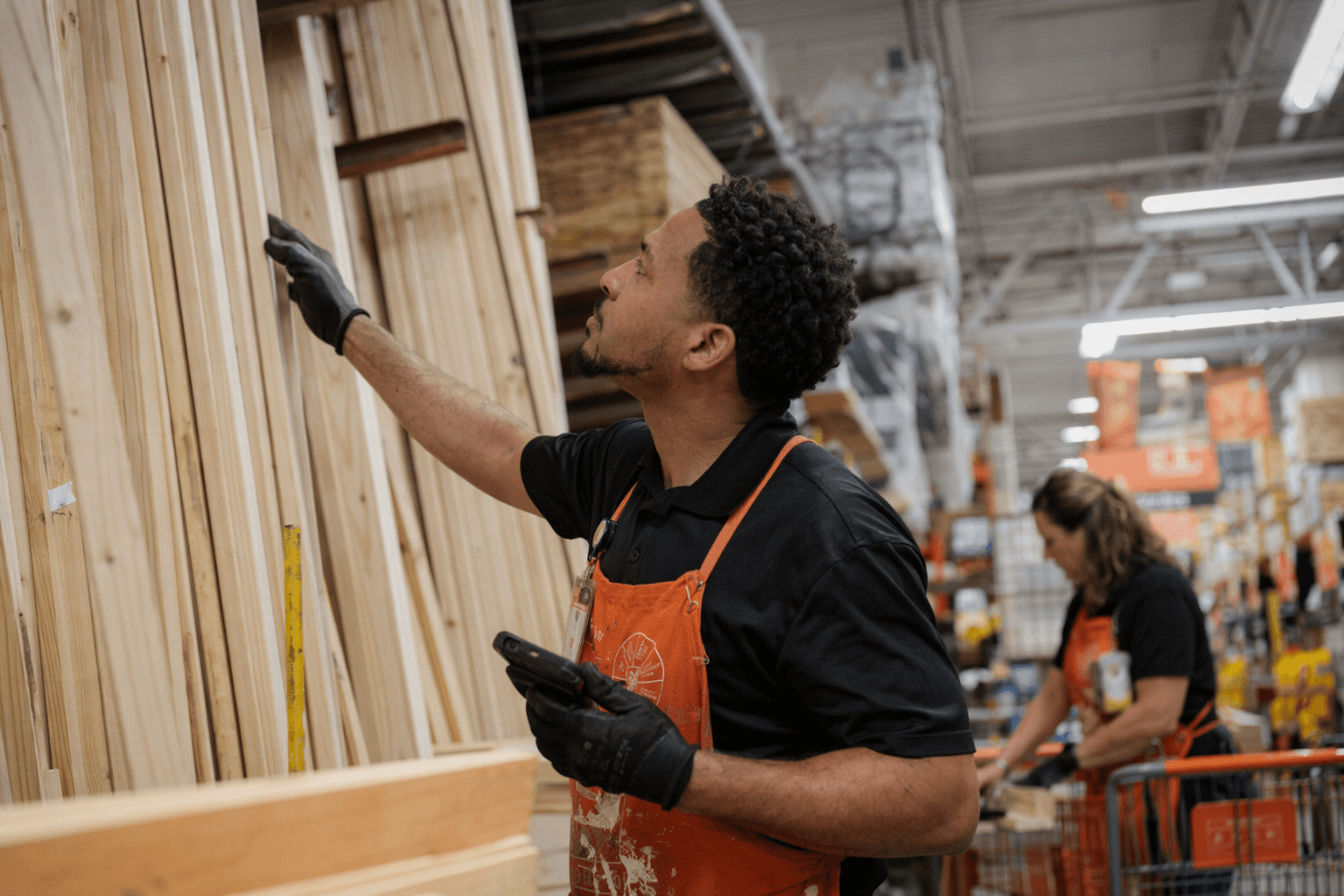
For Home Depot, that matters most in the spring departments where traffic, freight and customer expectations all spike at once. Garden, outdoor power, paint, lumber and pro order support all need more than bodies on the schedule; they need associates who can move quickly, answer questions and keep contractors and DIY customers from waiting. Home Depot’s fiscal 2025 annual report said the company would continue to invest in associates and store experience, and that it planned about 80 new stores over five years, with 15 to 20 new stores per year after 2027. More stores mean more local hiring, more training and more pressure on the management bench to keep coverage steady.
The company has already shown it knows labor is a competitive front. CNBC reported in 2023 that Home Depot invested $1 billion in employee wages as part of a strategy to stay competitive in a tight labor market. That history sits alongside Home Depot’s first-quarter fiscal 2025 results, which showed comparable sales down 0.3 percent overall but up 0.2 percent in the U.S., with 2,350 retail stores and more than 790 branches across North America. For managers heading into peak season, the message from April’s jobs report is blunt: slower job growth does not erase the hunt for good associates, and stores still have to earn every shift with pay, training and a schedule that people will actually stay for.
This article was produced by Prism’s automated news system from verified source data, official records, and press releases, then run through automated quality and moderation checks before publishing. The system is built and supervised by the people who set the standards it runs under. Read our full AI policy.
Did this article answer your question?