U.S. home sales inch up, Home Depot customers likely stick with repairs
Home sales barely moved in April, and that keeps Home Depot traffic tilted toward paint, flooring, baths and appliance swaps instead of move-in remodels.
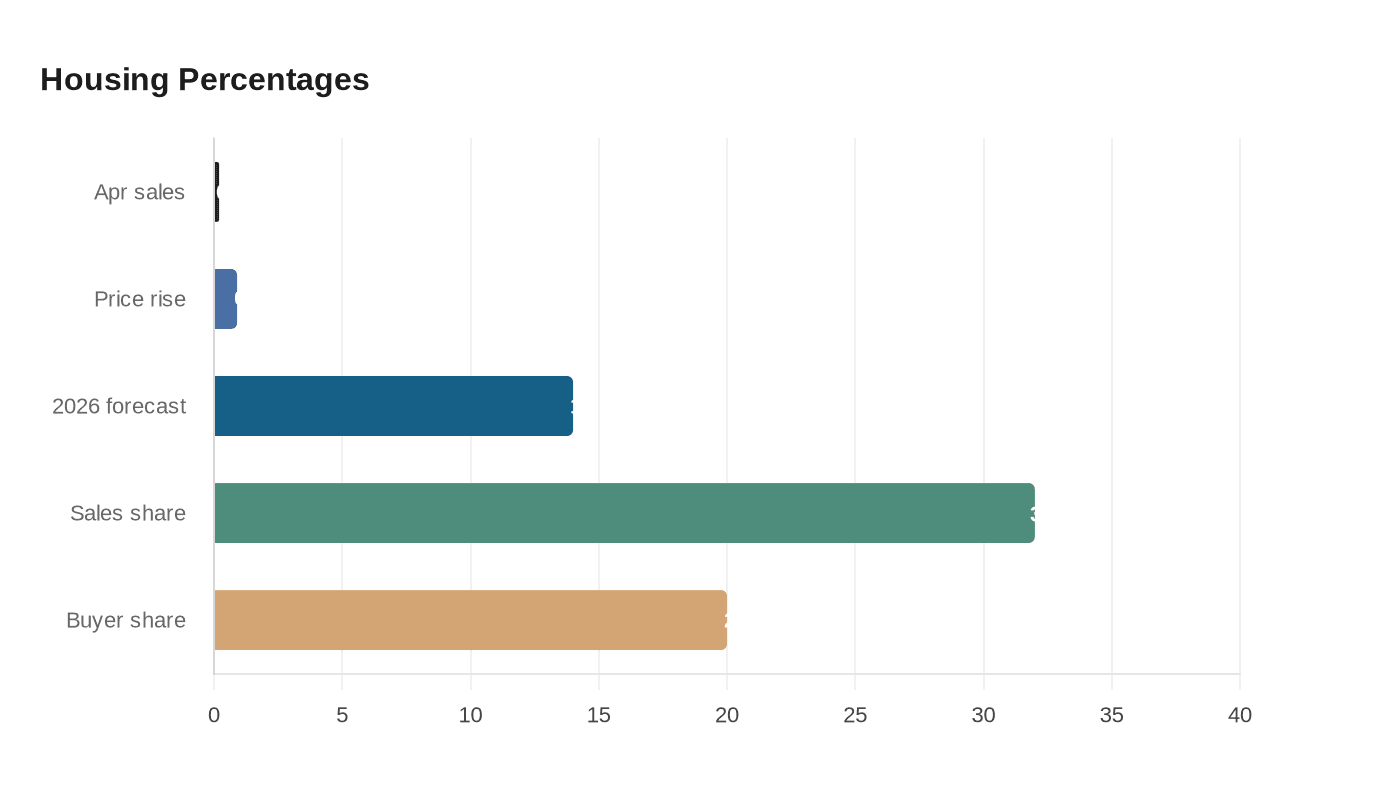
Weak housing turnover is still pushing Home Depot demand toward repairs, not remodels. U.S. existing-home sales rose just 0.2% in April to a seasonally adjusted annual rate of 4.02 million units, while unsold inventory climbed to 1.47 million homes, equal to 4.4 months of supply.
The National Association of Realtors said the median existing-home price edged up 0.9% from a year earlier to $417,700. That combination of thin sales, higher prices and lingering listings points to a market where many would-be buyers are staying put. Mortgage rates remained elevated, inflation kept squeezing household budgets, and homes sat on the market longer because buyer interest was weak.
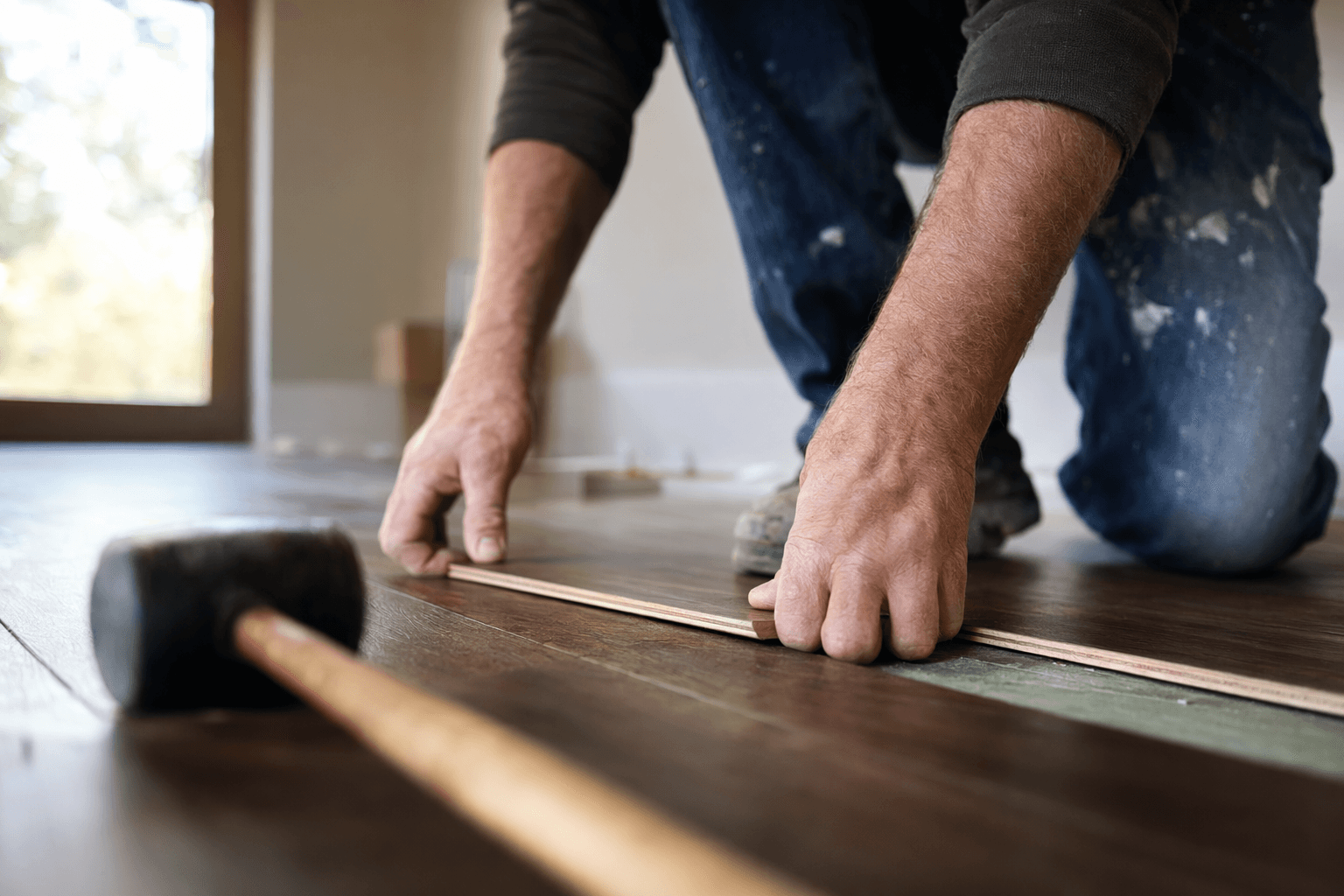
For The Home Depot, that matters on the sales floor. When fewer people buy and move, the store mix usually shifts away from big move-in projects and toward smaller jobs that let households delay a full overhaul. Paint, flooring, bath refreshes, appliance replacements, lawn care and basic maintenance are the categories most likely to keep turning. Kitchen remodel starts, whole-home makeovers and other move-in purchases can lose steam when affordability keeps sales stuck.
That change also affects how associates have to sell. Customers who are stretching budgets are more likely to ask for substitutes, bundled solutions and advice on doing a project in stages. That puts extra weight on paint desks, flooring specialists, appliance sales associates and department leads who can explain tradeoffs without pushing a bigger ticket than the customer can handle. It also leaves store managers balancing labor around the parts of the building where value questions and project coaching are most common.
The housing squeeze is still visible in the buyer mix. In March, the Housing Affordability Index fell to 113.7, the median time on market was 41 days and 32% of sales went to first-time buyers, unchanged from a year earlier. NAR said first-time buyers made up only about one in five buyers in its 2026 generational trends report, a record low share, and the median first-time buyer age reached 40.
Lawrence Yun, NAR’s chief economist, forecast a 14% increase in existing-home sales in 2026 if mortgage rates ease and inventory continues to build. The Home Depot’s Pro Forecast says higher existing-home sales usually mean more demand for building and remodeling work, while lower sales mean tougher competition for pros. For now, the sales floor is still serving a market that wants to stay in place and fix what it has.
This article was produced by Prism’s automated news system from verified source data, official records, and press releases, then run through automated quality and moderation checks before publishing. The system is built and supervised by the people who set the standards it runs under. Read our full AI policy.
Did this article answer your question?