Construction input prices jump, squeezing contractor budgets and pro bids
Materials and energy costs pushed construction input prices up 1.7 percent in April, tightening contractor budgets and turning pro bids more price-sensitive.
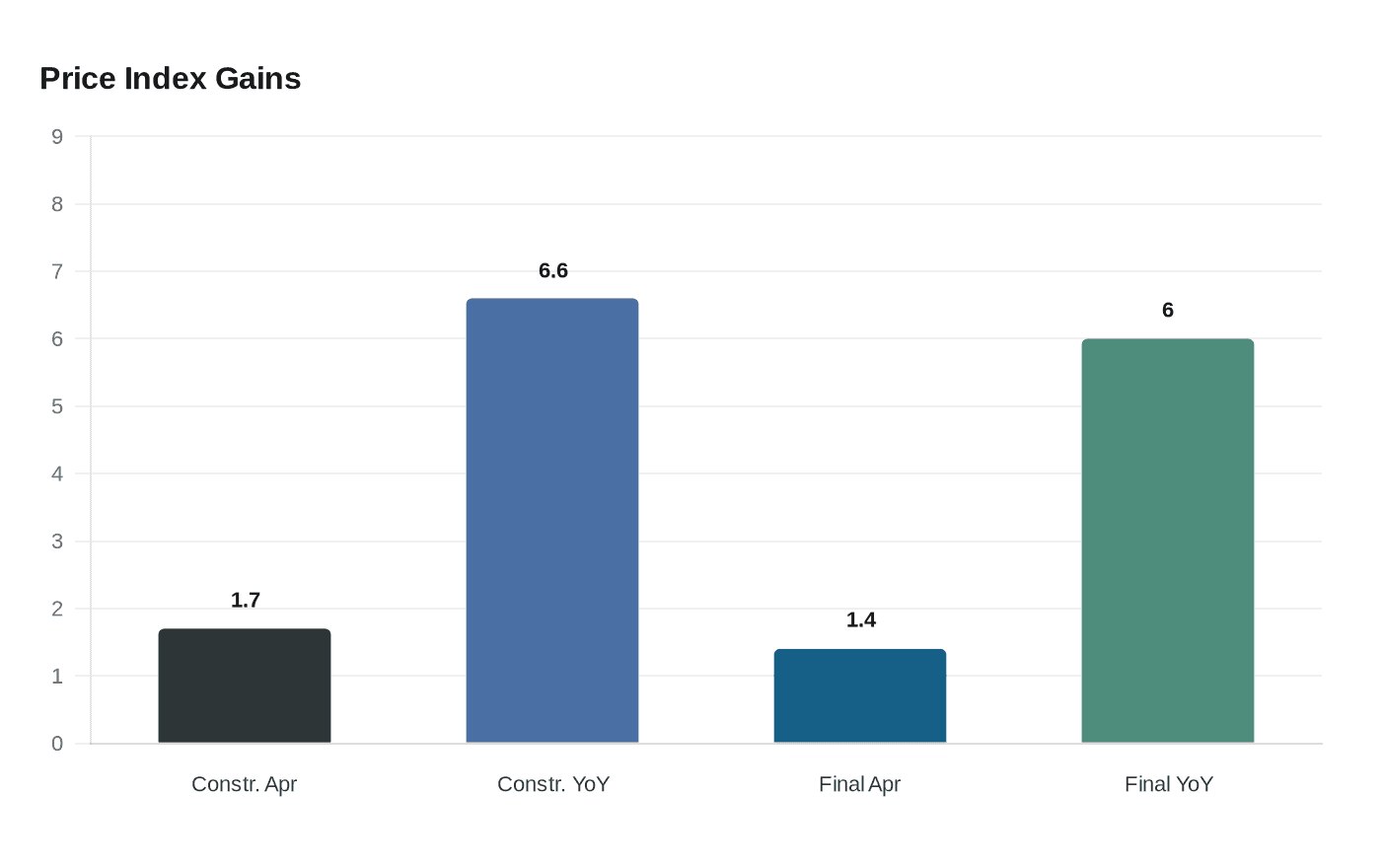
Higher materials and energy costs hit contractors in April, and the pressure is likely to show up first at the Home Depot Pro Desk, in lumber, electrical, plumbing, paint, flooring and outside sales. The Associated General Contractors of America said the producer price index for inputs to new nonresidential construction rose 1.7 percent in April and 6.6 percent from April 2025, a jump that signals contractors were paying more for the supplies that go into bids, estimates and active jobs.
The broader pricing backdrop was still hotter. The U.S. Bureau of Labor Statistics said its producer price index for final demand rose 1.4 percent in April and 6.0 percent over the prior 12 months, the largest monthly increase since March 2022 and the biggest year-over-year gain since December 2022. For trade customers, that kind of move does not stay on a spreadsheet for long. It changes how a contractor talks through a quote, how much cushion gets built into a job, and whether a project starts now or gets pushed back.
On the store floor, the effect is practical and immediate. Pros with tight budgets are more likely to ask for smaller order quantities, alternate brands, different package sizes or substitutions that can keep a job moving without blowing up the estimate. That puts a premium on associates who know the difference between a cheap replacement and a material that will actually hold up on the job site. In a cost environment like this, the most useful answer is not just the shelf price. It is whether the product fits the application, what the trade-offs are, and what backup options are available if the original spec is now too expensive or too slow to source.
The timing lands as Home Depot keeps building out its pro business. On March 5, the company said it would launch an industry-first real-time delivery tracker for big and bulky materials by the end of the first quarter. On March 18, it said it was expanding its Pro digital experience with project-management and artificial intelligence tools for professional renovators, remodelers and builders. Those moves fit a market where speed, visibility and substitution matter more when costs are rising and contractors are trying to protect margins.
Home Depot’s own scale shows how widely those changes can ripple. In fiscal 2025, the company reported $164.7 billion in sales and more than 2,300 stores across the United States, Canada and Mexico. Comparable sales rose only 0.3 percent overall and 0.5 percent in the United States, which makes any shift in contractor buying behavior worth watching closely. If input prices stay elevated, associates are likely to see more quote checks, more back-and-forth on alternates and more pressure to solve the job on the spot.
This article was produced by Prism’s automated news system from verified source data, official records, and press releases, then run through automated quality and moderation checks before publishing. The system is built and supervised by the people who set the standards it runs under. Read our full AI policy.
Did this article answer your question?