Inflation pressures shift Home Depot shoppers toward smaller projects
Higher energy, shelter and grocery costs are pushing Home Depot customers into repair-and-replace purchases, while associates field more price-tradeoff questions.

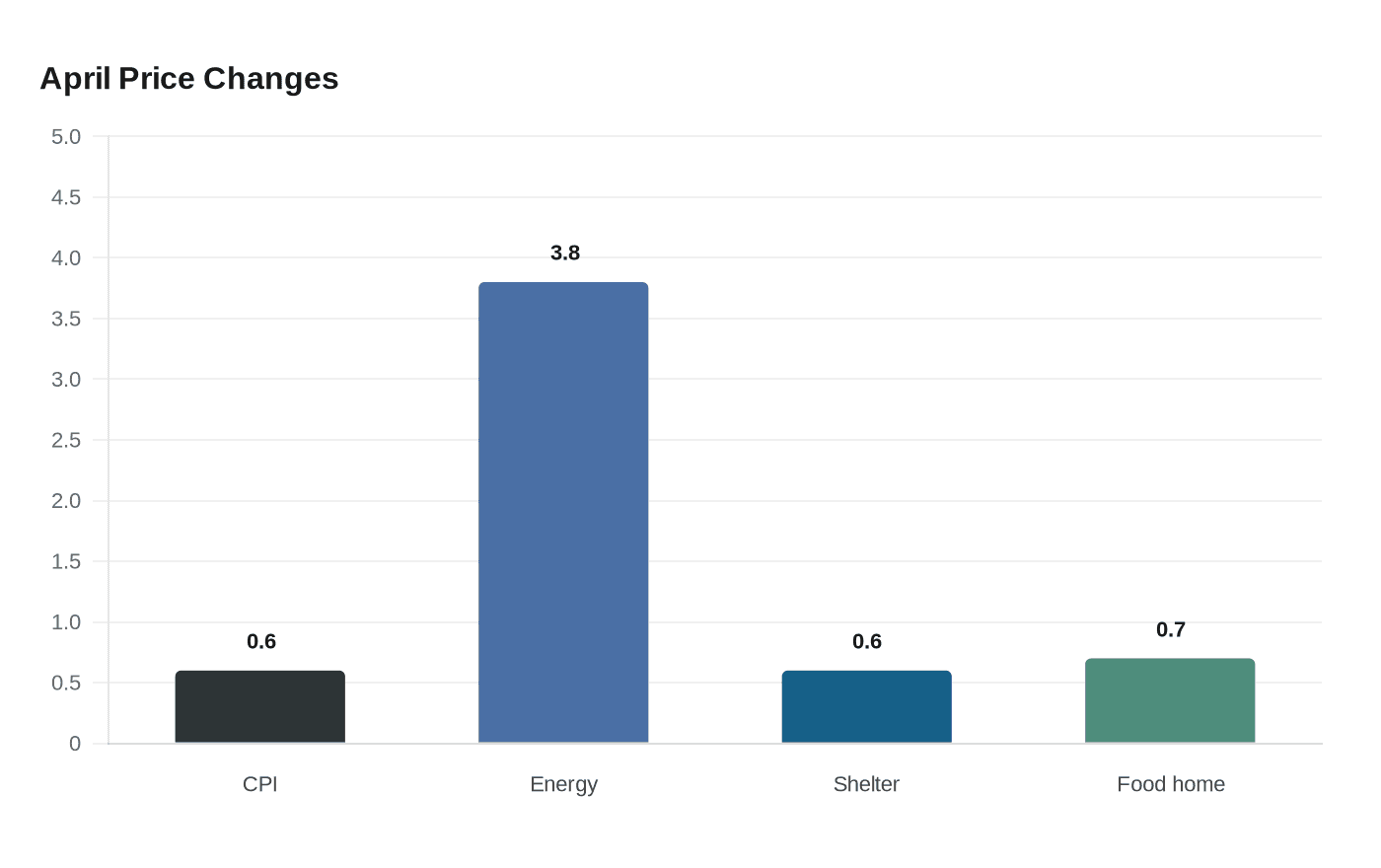
Inflation is tightening the same households that shop Home Depot, and it is changing what those shoppers put in the cart. The Bureau of Labor Statistics said consumer prices rose 0.6 percent in April and 3.8 percent over the past 12 months, with energy up 3.8 percent in the month alone and shelter rising 0.6 percent. Food at home climbed 0.7 percent. For customers who are already absorbing bigger utility bills, higher rent or mortgage costs, and pricier groceries, a full-room upgrade starts to look like a repair job, a phased project, or a wait-until-later purchase.
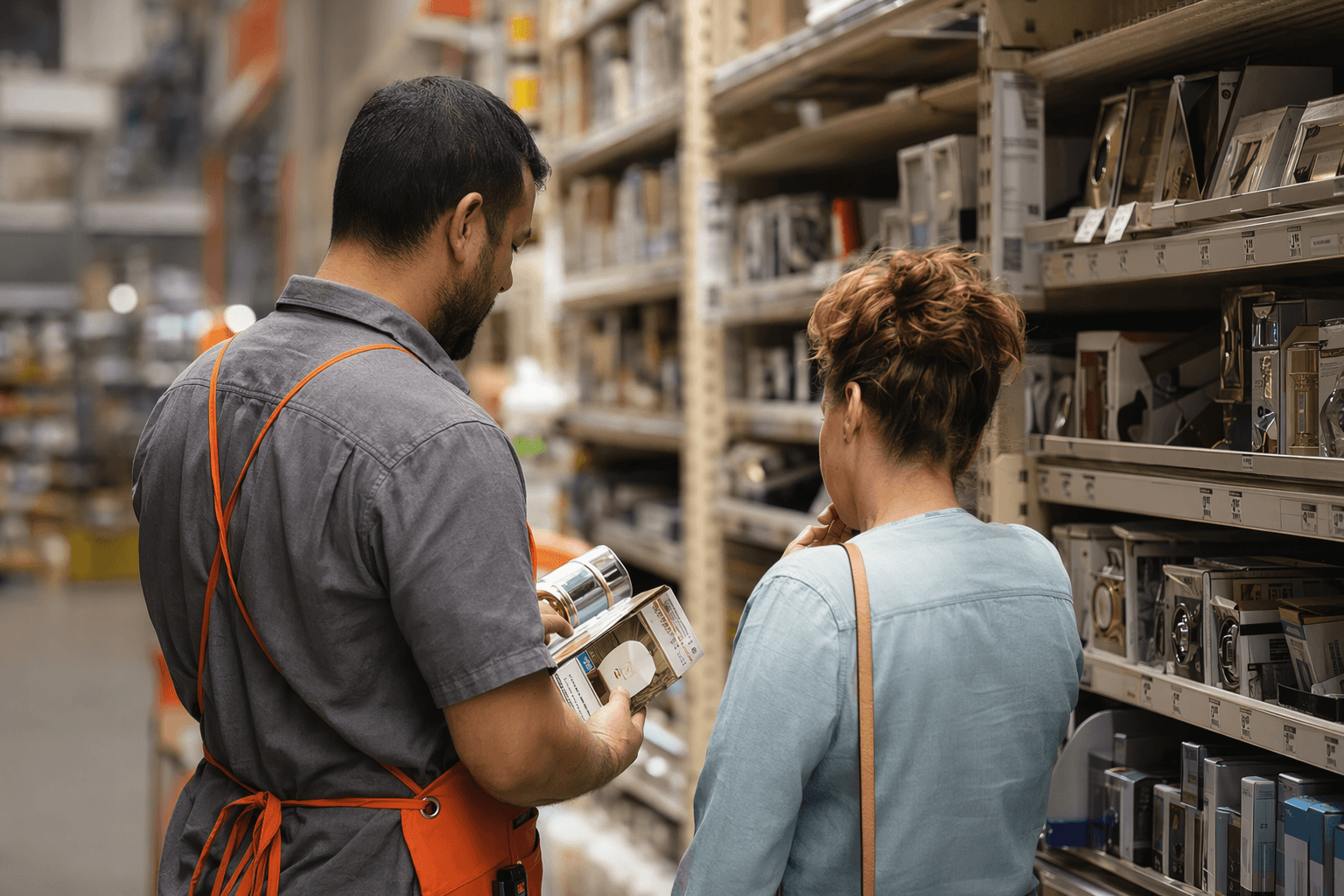
That shift matters on the sales floor. When shoppers come in under pressure, associates are more likely to hear questions about lower-cost substitutes, private-label options, and whether a project can be broken into stages instead of done all at once. A customer who planned to remodel a bathroom may now patch a leak, replace one fixture, or buy materials for a single room instead of a whole house. That usually means smaller baskets, more price comparison, and more conversations about what a cheaper product gives up and what it still delivers.
The squeeze is not just on the customer side. Home Depot’s SEC filings continue to flag inflation, deflation, fuel and energy costs, interest rate fluctuations, tariff and trade policy, raw materials, and labor issues as risks that can hit the business from both directions. Higher prices can discourage traffic and reduce basket size, while freight, materials, and wages can lift operating costs at the same time. That makes every pricing conversation at the counter more important than it looks on paper.
The broader housing market helps explain why demand has not simply fallen off a cliff. The U.S. Census Bureau said the homeowner vacancy rate was 1.1 percent in the first quarter of 2026, and the homeownership rate was 65.4 percent seasonally adjusted. The National Association of Home Builders has said remodeling spending rose to 45 percent of residential construction in the third quarter of 2025, up from 33 percent in 2007, and it projected remodeling activity would rise 3 percent in 2026 and another 2 percent in 2027 in inflation-adjusted terms. When people stay put, they keep fixing what they have.
Home Depot has been adjusting to that reality with delivery tracking for big and bulky orders and a more end-to-end Pro project approach. Its recent results show the stakes: first-quarter fiscal 2025 sales were $39.9 billion, comparable sales fell 0.3 percent, and U.S. comparable sales rose 0.2 percent. Second-quarter fiscal 2025 sales reached $45.3 billion, up 4.9 percent from a year earlier. Inflation is still changing the economics of home improvement, one smaller project at a time.
This article was produced by Prism’s automated news system from verified source data, official records, and press releases, then run through automated quality and moderation checks before publishing. The system is built and supervised by the people who set the standards it runs under. Read our full AI policy.
Did this article answer your question?