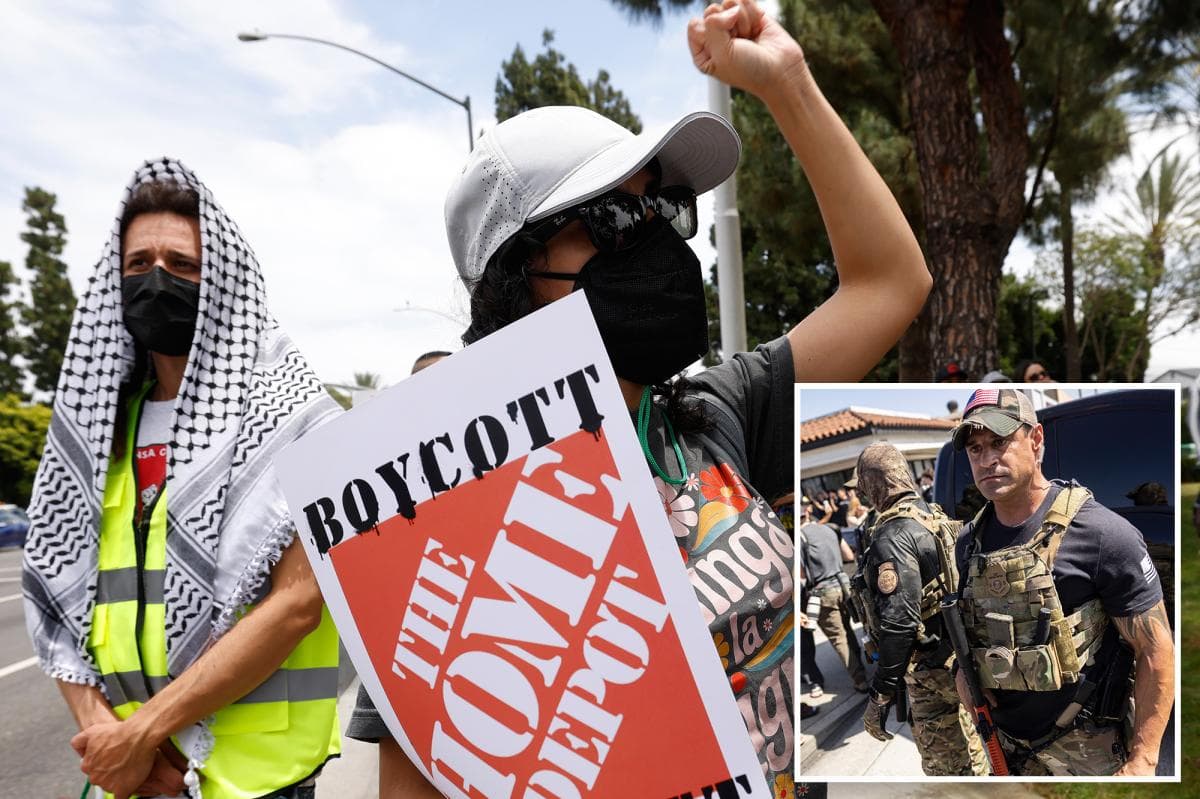
Economic-Blackout Day Actions Target Home Depot Stores, Mobilize Labor and Faith
Economic-blackout day actions targeted Home Depot stores on Jan 23, mobilizing labor and faith groups to protest a surge in ICE operations and press employers on staging and public stances.
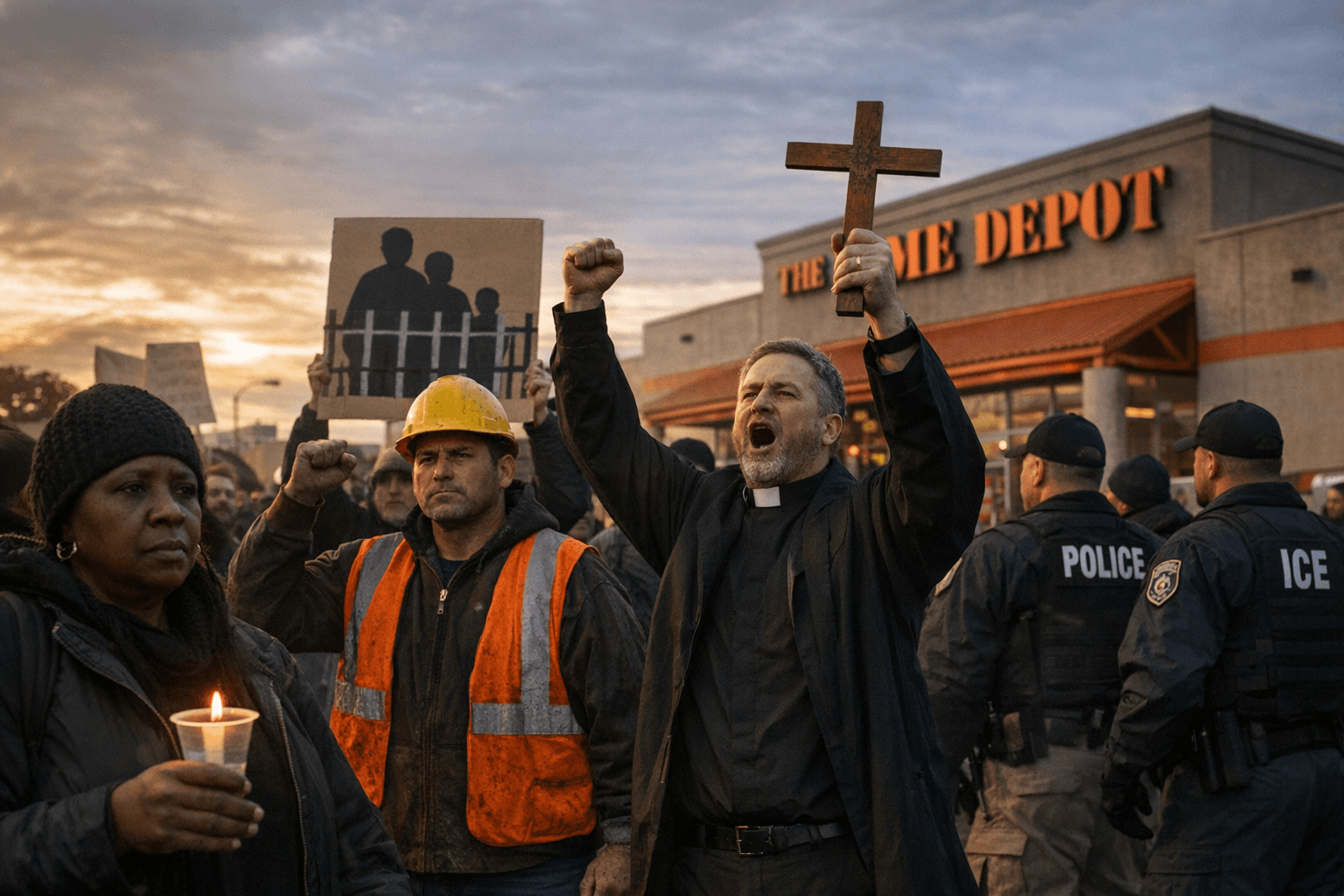
A coordinated Day of Truth & Freedom economic-blackout on Jan 23 drew organizers, unions and faith leaders to Home Depot parking lots and storefronts across the country, with demonstrations designed to spotlight immigration enforcement and pressure large employers. The events combined morning actions, mid-day rallies, honk-and-wave events and calls for organized closures to disrupt business-as-usual and force public responses.
Organizers circulated maps and schedules of local demonstrations, singling out some Home Depot locations as focal points for gatherings outside or near stores. Community organizers and labor coalitions said the push was in direct response to a recent surge in ICE operations, and aimed to deter federal enforcement from staging activities on private property while shaming corporations that do not publicly object. Faith groups worked alongside unions and immigrant-rights groups in city-by-city mobilization, lending moral framing and local networks to the labor-led tactics.
Tactics varied by site. Morning actions targeted commutes and shift starts, mid-day rallies arrived during higher customer traffic, honk-and-wave events sought visible public solidarity from passing drivers, and some organizers called for organized closures to mimic strikes or coordinated time-offs at certain locations. The choreography was intended to create pressure on store managers and corporate leaders without turning every event into a traditional street march.
For Home Depot employees and frontline retail workers, the demonstrations added a new variable to daily operations. Visible protests outside stores can disrupt customer flow, complicate arrivals and departures for shifts, and put supervisors in the position of managing both safety and service continuity. The prospect of federal enforcement activity being staged on private property, a central complaint among organizers, also raises legal and logistical questions for employers around consent, liability and access for government agents.
Labor-faith collaboration could recalibrate workplace dynamics beyond a single day. By tying immigration concerns to corporate policy and property-use practices, organizers broadened the issues employers must weigh publicly. Employers facing similar coordinated actions may feel pressure to clarify policies on government use of private property, issue public statements, or engage local stakeholders to reduce tension.
For Home Depot employees, managers and labor advocates, the Jan 23 mobilization is a sign of more targeted, cross-sector organizing that can affect scheduling, customer relations and company reputations. Expect continued local coordination and calls for employer statements in the weeks ahead as unions and faith groups assess next steps and companies decide how to respond publicly and operationally.
This article was produced by Prism’s automated news system from verified source data, official records, and press releases, then run through automated quality and moderation checks before publishing. The system is built and supervised by the people who set the standards it runs under. Read our full AI policy.
Did this article answer your question?