EEOC proposal could reshape Home Depot workforce demographic reporting
A proposed EEOC rollback could erase a key demographic window into hiring and promotion patterns at big employers, including Home Depot, which reported 411,173 workers last year.
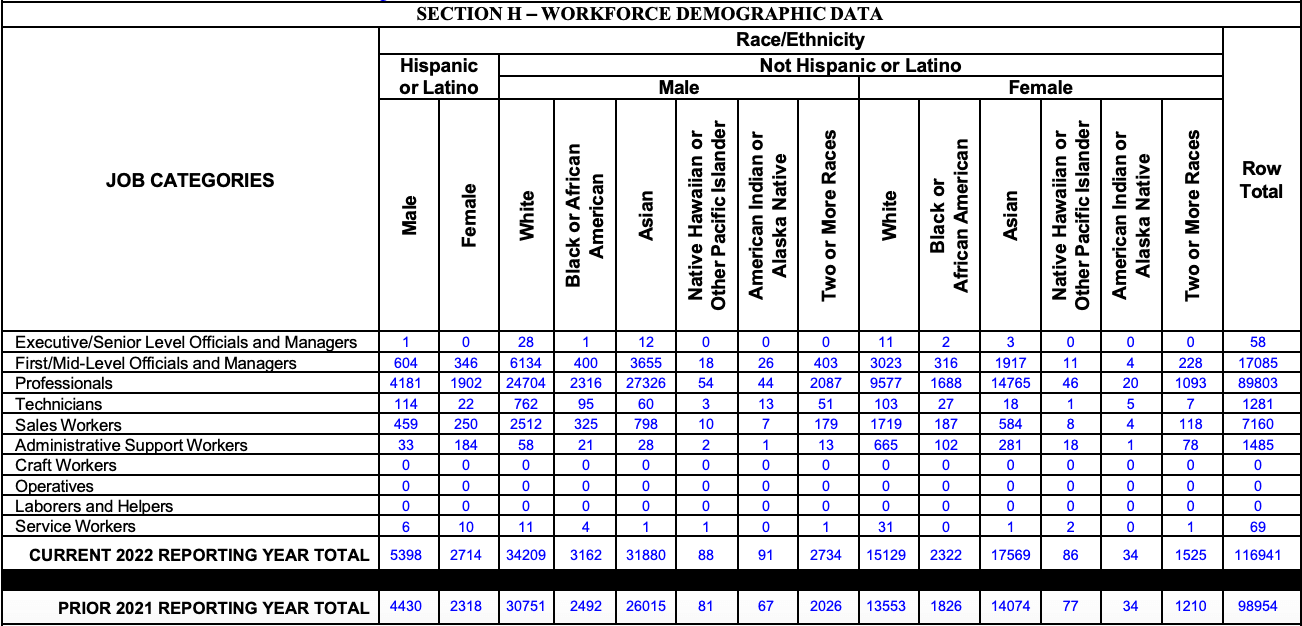
A new EEOC proposal could eventually remove one of the main federal ways large employers are measured on who gets hired, grouped, and promoted. For The Home Depot, Inc., that matters because the company is large enough that even a small change in reporting rules can ripple through HR systems, manager training, and the way store-level records are kept.
Under the current EEO-1 Component 1 rule, private-sector employers with 100 or more employees, and certain federal contractors with 50 or more employees, must submit workforce demographic data by job category, sex, and race or ethnicity. A June 7 update from Ogletree Deakins said employers should monitor the EEOC’s proposal to rescind those private-sector reporting requirements, warning that the agency’s direction could change what companies are expected to submit.

The EEOC’s move is still only a proposal. Legal commentary says the agency submitted a formal request on May 14, 2026, to the Office of Information and Regulatory Affairs in Washington, D.C., to rescind the reporting requirement, but the idea still has to make it through the rulemaking process before it becomes final. Even so, the shift is already signaling where the agency may be headed: less federal paperwork, but also less public visibility into workforce composition at large employers.
That is the part store managers and department leads should not overlook. They do not file EEO-1 reports themselves, but changes at the top often force companies to tighten applicant tracking, clean up job classifications, and train managers to document promotions and hiring decisions more consistently. At a retailer the size of Home Depot, those records start on the sales floor, in the pro aisle, in seasonal hiring, and in the way supervisors handle candidate notes and internal moves.
The reason the stakes are high is scale. Home Depot reported 420,283 employees on its 2023 EEO-1 report and 411,173 on its 2024 filing. That kind of workforce is exactly why demographic reporting has mattered to regulators, employees, and managers trying to compare who is advancing and where gaps may be forming.
The EEOC’s recent handling of the 2024 filing window also shows how quickly the terrain can change. Acting Chair Andrea R. Lucas said on May 20, 2025, that the 2024 EEO-1 collection opened that day and would close on Tuesday, June 24, 2025, with a shorter filing period tied to cost-saving efforts. The broader message for Home Depot is straightforward: even if the paperwork burden shrinks, the obligation to avoid discrimination does not. If fewer numbers are reported to Washington, more of the pressure shifts to the company’s own systems, where hiring, promotion, and documentation decisions are made every day.
This article was produced by Prism’s automated news system from verified source data, official records, and press releases, then run through automated quality and moderation checks before publishing. The system is built and supervised by the people who set the standards it runs under. Read our full AI policy.
Know something we missed? Have a correction or additional information?
Submit a Tip