Guide Explains FLSA Overtime, Hours, Recordkeeping for Home Depot Employees
A practical primer for Home Depot hourly staff, supervisors and HR on how the FLSA governs overtime pay, what counts as hours worked, and what payroll records the company must keep.
1. Who this guide is for and why it matters
This primer is written for Home Depot hourly associates, supervisors, store managers, and HR partners to explain how the federal Fair Labor Standards Act (FLSA) usually applies in retail settings. Understanding these rules matters for day-to-day scheduling, pay accuracy, and correcting mistakes that can lead to lost pay or legal exposures for employees and the company.
2. Basic overtime rule under the FLSA
Under the FLSA, non‑exempt employees must receive overtime pay at not less than one and one‑half times their regular rate of pay for all hours worked over 40 in a workweek. The FLSA’s overtime trigger is by workweek, not by day, so a 45‑hour week creates five overtime hours payable at 1.5× the regular rate for that week.
3. How the “regular rate” is calculated
The regular rate must reflect all nondiscretionary pay that employees earn during the workweek: hourly wages, shift differentials, piecework, and many performance bonuses. Employers must divide total compensation for the week by total hours worked to get the regular rate; overtime is then 1.5 times that rate for hours over 40. Discretionary bonuses (those unannounced and truly discretionary) are treated differently, but commonly paid incentives and guaranteed premiums usually factor into the regular rate.
- Clocking in on the floor for pre‑shift tasks (stocking, register checks, equipment set‑up).
- Mandatory meetings or trainings that the employer requires and that primarily benefit the employer.
- Work performed off the clock, including finishing customer transactions or required clean‑up, if the employer knew or should have known.
4. Which hours count as “hours worked”
FLSA requires employers to pay for all time an employee is suffered or permitted to work. That typically includes:
Commuting from home to a Home Depot store is not compensable under the typical rule, but travel between job sites, or travel that is part of the employee’s duties, generally is compensable.
5. Donning and doffing, uniforms, and employer-required tasks
If Home Depot requires employees to change into uniforms or perform preparatory tasks on site, time spent can be compensable when those tasks are integral and indispensable to the employee’s principal work. That means changing into a required uniform at a time and place set by the employer, or required safety checks, can trigger pay obligations. The determinative factor is whether the activity is necessary for the job and controlled by the employer.
6. Training and meetings
Training and staff meetings must be paid if attendance is required by Home Depot or the training primarily benefits the employer. Voluntary or optional training that occurs outside normal working hours and truly benefits the employee may be unpaid, but the line is factual and requires careful attention. If HR or management schedules mandatory training, associate time is generally compensable.
7. Breaks, meal periods, and state exceptions
Short rest breaks (typically 20 minutes or less) must be paid and counted as hours worked under FLSA; bona fide meal periods of 30 minutes or longer may be unpaid if the employee is completely relieved of duty. Many states add stronger protections, California, for example, has daily overtime rules and strict meal period mandates, so Home Depot associates must follow both federal and state rules applicable where they work.
8. Timekeeping systems and rounding rules
Employers may use electronic timeclocks and may round employee punches, but rounding practices must not systematically underpay workers. Rounding to the nearest 5, 10, or 15 minutes is permitted so long as it does not regularly result in lost pay. Associates should review their timecards each pay period, immediately flag incorrect punches with their supervisor or HR partner, and retain pay stubs for their records.

9. Recordkeeping requirements the company must meet
Under the FLSA, employers must keep payroll records for at least three years and certain personnel records for two years. Required records include hours worked each day, total hours each workweek, wage rates, gross wages, additions/deductions, and dates of payment and pay periods covered. Maintaining these records is essential for both employees and Home Depot HR when resolving pay disputes.
10. Exempt vs. non‑exempt classifications at retail
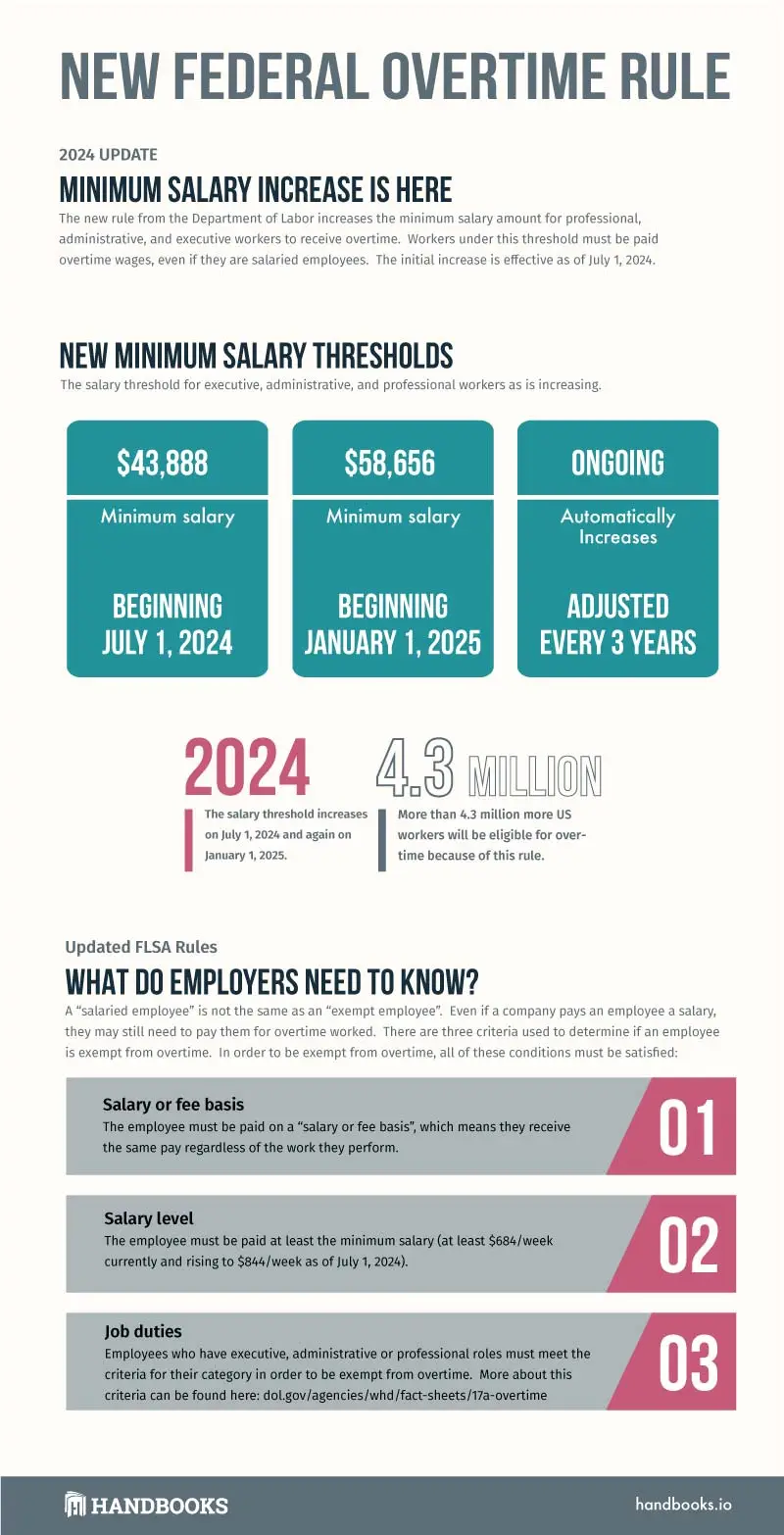
Most hourly associates at Home Depot are non‑exempt and entitled to overtime. Some supervisors or managers can be exempt only if they meet the FLSA’s duties test (executive, administrative, or professional) and salary basis threshold; retail exemptions are narrow. Misclassification, treating an employee as exempt when they are not, can lead to back pay for overtime and penalties, so supervisors and HR partners should review job duties against FLSA criteria rather than title alone.
- Keep copies of schedules, timecards, and pay stubs each pay period.
- Raise errors with a supervisor or HR partner immediately and request written confirmation of the correction.
- Track the dates, hours, and nature of the disputed pay so that HR can adjust payroll or the employee can pursue administrative remedies if needed.
11. Common payroll problems and how to correct them
Typical issues include missed punches, unpaid overtime, and misapplied premiums. Employees should:
If errors persist, the FLSA provides remedies including back pay for unpaid overtime and liquidated damages in willful violation cases.
12. Statute of limitations and legal timelines
The FLSA’s statute of limitations for unpaid minimum wage or overtime is generally two years, extended to three years for willful violations. That makes timely action important: keep records and act promptly if you suspect underpayment. HR partners should treat possible violations seriously to mitigate exposure and resolve claims quickly.
13. State‑law differences to watch for in Home Depot stores
State wage laws can be more protective than federal rules. Examples include daily overtime thresholds, higher state minimum wages, and stricter meal and rest break rules. Associates working near state lines or at stores in states with special rules should check the state labor agency or consult HR for the specific standards that apply to their location.
- Track and verify time each shift; don’t assume a manager will correct missed punches without documentation.
- Save pay stubs and schedules for at least three years when possible.
- If you’re a supervisor or manager, document reasons for any exemptions or schedule changes and coordinate with HR to confirm classifications.
- HR partners should ensure Home Depot’s timekeeping settings, rounding policies, and overtime approvals comply with FLSA and applicable state law.
14. Practical steps employees and managers should take now
Final note For Home Depot associates and leaders, the most effective protection is accurate timekeeping, clear communication, and prompt correction when pay looks wrong; federal rules require overtime pay over 40 hours and mandate specific recordkeeping that both employees and HR must respect. Keeping detailed records and addressing errors quickly reduces the risk of lost wages and the larger disputes that follow.
Know something we missed? Have a correction or additional information?
Submit a Tip