Home Depot 2026 Proxy Details $3.7B Investment in Stores, Associates
$3.7B in capital spending hit stores in fiscal 2025; shareholders vote May 21 on Ted Decker's pay, where 91.3% is performance-linked.

Home Depot's annual meeting on May 21 isn't just for Wall Street. The $3.7 billion the company deployed in fiscal 2025 on capital expenditures, the shareholder vote on CEO Ted Decker's compensation structure, and the board's declared priority to win with Pro customers all connect directly to what store teams see on the floor every day.
The company filed its definitive proxy statement with the Securities and Exchange Commission on April 6, confirming the agenda for the virtual annual meeting. Shareholders will vote on 12 director elections, ratification of the company's auditor, an advisory "say-on-pay" vote on named executive officer compensation, proposed charter amendments including an officer exculpation provision, and seven shareholder proposals covering topics from plastics and data privacy to biodiversity and healthcare access. The board opposed all seven shareholder proposals.
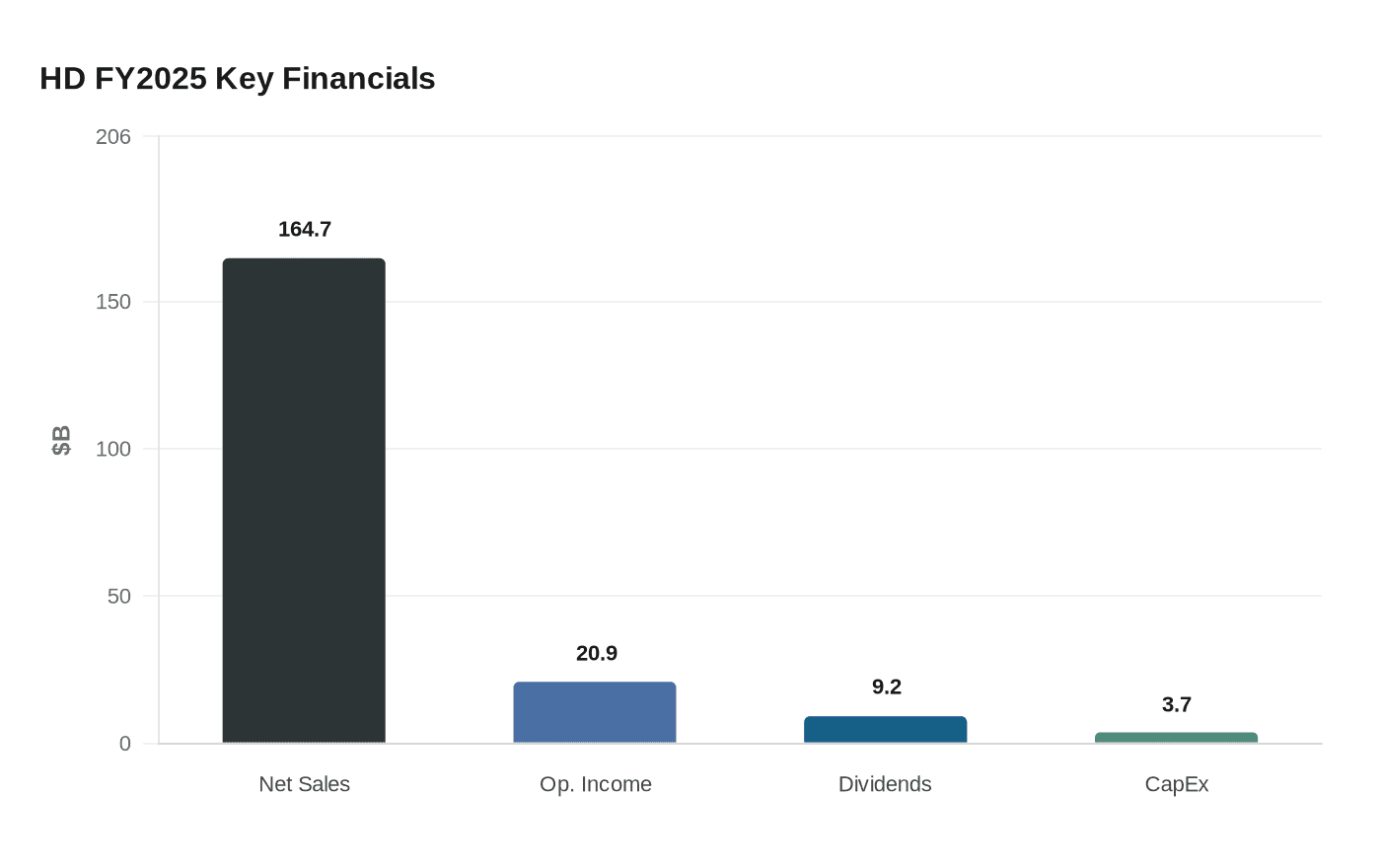
The say-on-pay vote is the one associates should pay closest attention to, because it puts Decker's compensation design on the record: more than 91.3% of his target pay is tied to performance metrics rather than base salary. The proxy also discloses an expanded clawback policy that now explicitly covers "conduct that causes significant reputational harm to the Company," widening the conditions under which executive pay can be recovered after the fact. When executive upside is tethered this tightly to company outcomes, the metrics associates hear in store meetings carry real weight: ROIC came in at 25.7% in fiscal 2025, operating income reached $20.9 billion, and net sales hit $164.7 billion, a 3.2% increase year over year.

The $3.7 billion in capital expenditures is the other number worth tracking. That spending covered new store builds, improvements to existing locations, fulfillment investments, and technology and process enhancements targeted specifically at accelerating growth with Pro customers. Running alongside it, the company returned $9.2 billion to shareholders via dividends following a 2.2% increase in the quarterly dividend from $2.25 to $2.30 per share. The proxy makes the capital allocation sequence explicit: reinvest first, then dividends, then share repurchases.
For anyone who has noticed changes to Pro pickup flows, delivery infrastructure, or the digital tools available to contractor customers, the proxy provides the official rationale. The filing describes the company's strategic priorities as "growing our sales to Pros through our unique ecosystem of capabilities," a framework that encompasses the SRS Distribution platform, which is itself in the process of integrating GMS to build out multi-category building materials distribution. Store teams that regularly serve contractors should expect that ecosystem to keep expanding: Home Depot added new project management and AI tools to the Pro Xtra digital platform in March, designed to help Pros track deliveries, schedule complex orders, and share access with their crews.
The May 21 meeting is virtual. Shareholders of record as of March 23, 2026, are eligible to vote. The results of each vote, including the say-on-pay outcome and the fate of the charter amendments, will be disclosed in an SEC filing shortly after the meeting closes. Those results will show whether institutional investors believe company performance and executive pay aligned in fiscal 2025, and whether the board's governance posture holds the confidence of the shareholder base that ultimately owns the stores these associates operate.
This article was produced by Prism’s automated news system from verified source data, official records, and press releases, then run through automated quality and moderation checks before publishing. The system is built and supervised by the people who set the standards it runs under. Read our full AI policy.
Did this article answer your question?