Home Depot Associates Warn Culture Eroding Amid Turnover, Staffing Shortfalls
Current and former Home Depot associates say store culture is weakening as high turnover and chronic understaffing leave frontline workers overextended and morale falling.
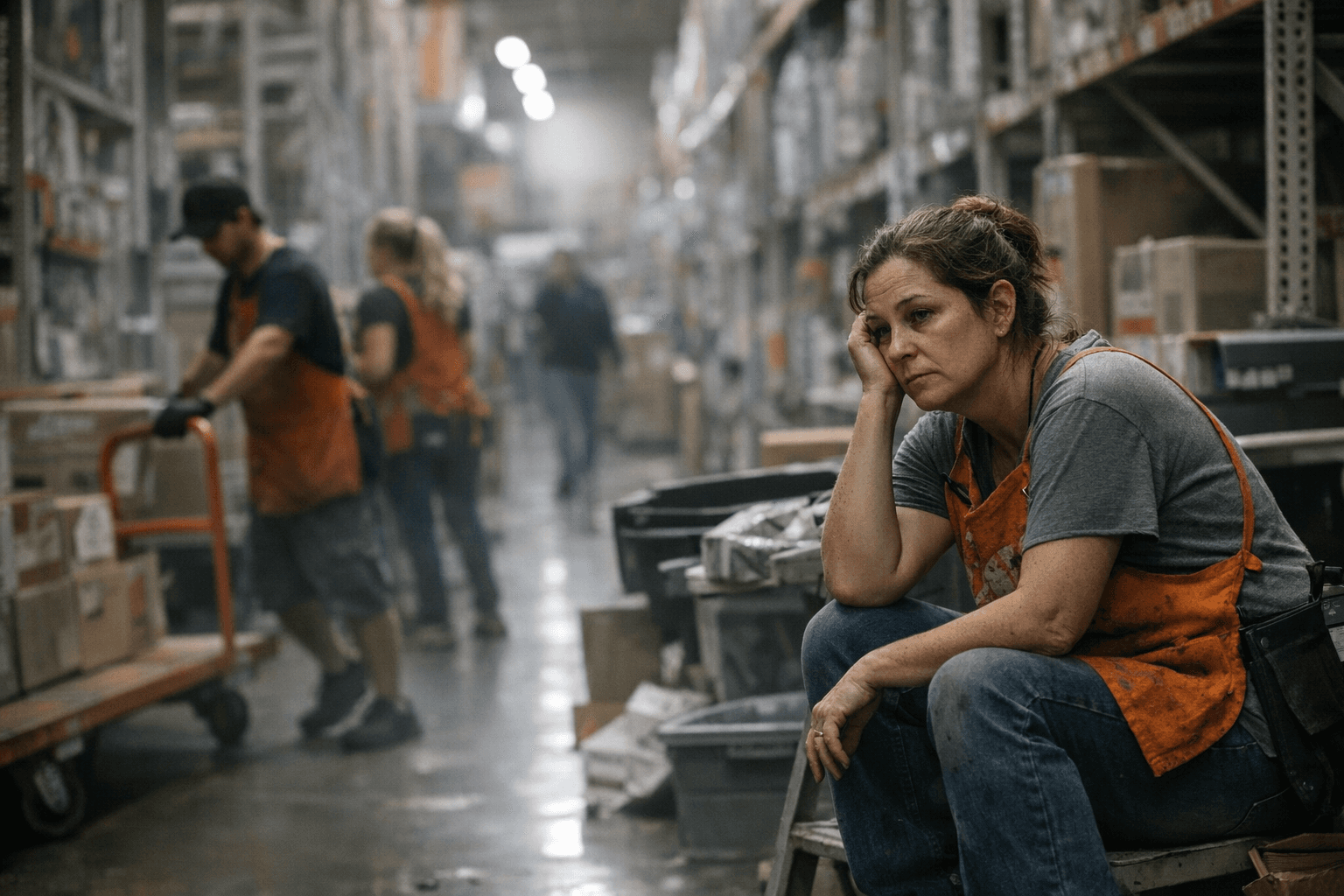
Current and former Home Depot associates described a workplace culture that helped stores run smoothly in the past but is showing signs of fraying in parts of the country. They pointed to high turnover, uneven leadership quality, and persistent staffing shortages that left hourly workers and store teams struggling to keep up with daily demands.
Several contributors described what once made the culture effective: stable staffing levels, engaged store managers who spent time on the sales floor, hands-on training, and peer-to-peer support that helped newer associates learn the job and maintain safety and service standards. Those elements, associates said, supported retention and made stores more resilient to busy seasons.
More recently, associates reported a different reality in some regions. High attrition has hollowed out experience on many shifts, leaving smaller crews to cover the same workload. Management engagement has become uneven, with some stores reporting less visible leadership and fewer opportunities for on-the-floor coaching. Associates also said corporate priorities - cost control and narrowly defined performance metrics - sometimes take precedence over investments in staffing and employee supports. That combination, workers said, contributes to slipping morale and a sense that frontline needs are an afterthought.
The dynamics described by associates affect day-to-day operations. Staffing shortfalls increase the frequency of long shifts, reduce time available for training and customer service, and put pressure on remaining team members to multitask. Uneven leadership can magnify those stresses when newer supervisors lack development or when staffing decisions prioritize short-term cost targets. Associates framed these pressures as both a driver of turnover and a barrier to rebuilding stable teams.
Workers in the conversation suggested remedies centered on rebuilding store-level capacity and leadership. Recommended changes included restoring staffing to match traffic and workloads, investing in manager training so leaders can better mentor and retain crews, and balancing metrics with visible support for associates. Participants said recognition and predictable schedules would also help lower churn and improve morale.
For employees, the thread offered a candid snapshot of frontline concerns and where improvements are needed to make work sustainable. For the company, the accounts signal that operational priorities and associate supports need better alignment if stores are to maintain service and safety standards. If staffing and leadership gaps persist, associates predict turnover and strain on remaining workers will continue, underscoring the need for tangible changes at the store level and clearer support from higher up.
This article was produced by Prism’s automated news system from verified source data, official records, and press releases, then run through automated quality and moderation checks before publishing. The system is built and supervised by the people who set the standards it runs under. Read our full AI policy.
Did this article answer your question?