Home Depot biometric suit dismissed without prejudice, privacy issues remain
A federal class action over Home Depot’s facial-scan tech was voluntarily dismissed without prejudice. The decision leaves biometric privacy and consent questions unresolved for workers and shoppers.
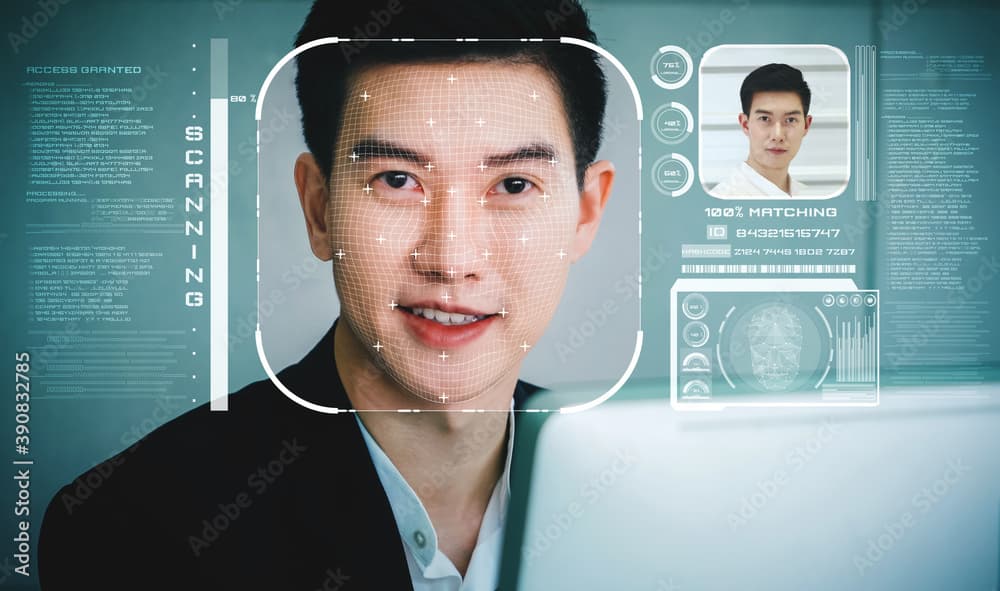
A federal class action that had challenged The Home Depot’s use of in-store computer vision and facial-scan technology at self-checkout kiosks was voluntarily dismissed without prejudice on January 13, 2026. The plaintiff in Jankowski v. The Home Depot, No. 1:25-cv-09144 (N.D. Ill.), dropped the case, a procedural move that leaves the underlying claims able to be refiled in the future and leaves legal questions unanswered for employees and customers.
The complaint alleged that the retailer’s kiosks and in-store systems captured and retained customers’ facial geometry without the written notice and informed consent required by Illinois’ Biometric Information Privacy Act (BIPA). The suit also disputed how long biometric templates were retained and pointed to past company statements describing the use of machine-learning systems to improve store operations and loss prevention. Those facts put a spotlight on the tension between loss-prevention technology and privacy protections for shoppers and frontline workers.
Because the dismissal was without prejudice, plaintiffs retain the option to bring the same claims again, potentially after gathering more evidence or in response to further developments in the law. For Home Depot, and for retailers broadly, the case underscored both legal risk and operational uncertainty: technology that can identify or analyze faces carries not only potential business benefits but also compliance obligations that vary by state and over time.
The litigation landed against a shifting legal backdrop. Illinois has recently amended BIPA in ways that reduced exposure in some respects, but the amendments did not eliminate questions about notice, consent, retention and vendor relationships. For stores that continue to deploy computer-vision or biometric systems, compliance requires a coordinated mix of policy, technology and contractual steps. Companies need clear written internal policies that explain what data is collected and why; robust notice-and-consent procedures for shoppers where state law requires them; documented retention and destruction schedules for biometric templates; carefully negotiated contracts with vendors that process biometric data; and transparent disclosure practices for employees and customers so workers are not left fielding privacy complaints on the sales floor.

The unresolved dismissal matters to associates who work near these kiosks and to loss-prevention teams that rely on analytics. Surveillance and biometric tools can change store workflows, increase friction with customers, and become a flashpoint in labor-management conversations about trust and workplace dignity.
With the door open to renewed litigation, retailers should treat the episode as a nudge to review biometric practices and communications. For employees and customers, the practical next step will be seeking clarity from store management about what biometric systems are active, how long data is kept, and what consent mechanisms are in place.
This article was produced by Prism’s automated news system from verified source data, official records, and press releases, then run through automated quality and moderation checks before publishing. The system is built and supervised by the people who set the standards it runs under. Read our full AI policy.
Did this article answer your question?