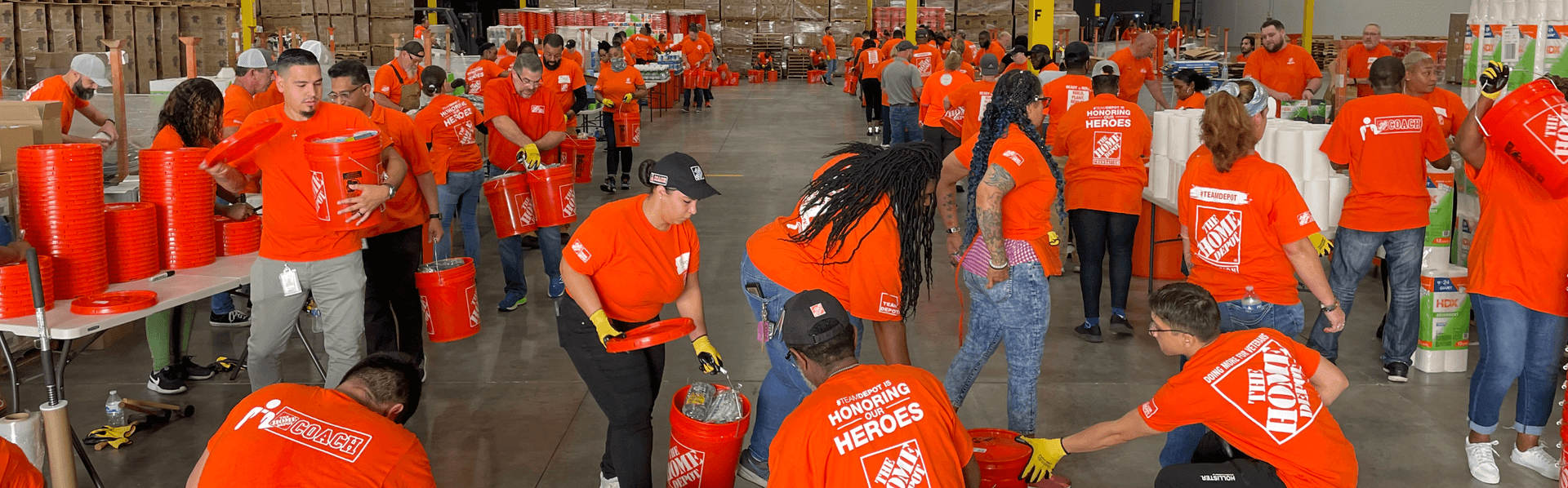
Home Depot can cut injuries with safer material-handling practices
Safer lifts and cleaner backrooms can cut injuries, keep freight moving, and make peak shifts less punishing for Home Depot teams.
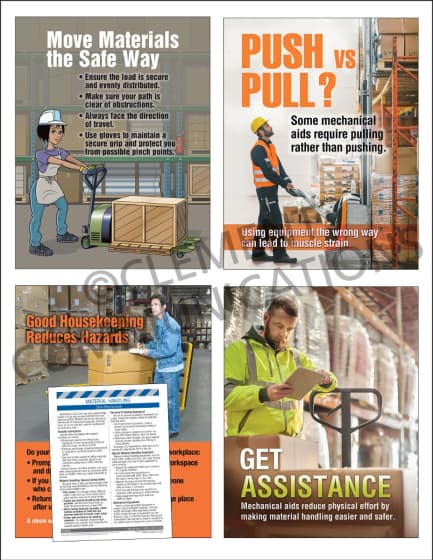
Material handling is the injury issue hiding in plain sight
At The Home Depot, the work that looks routine, unloading trucks, staging pallets, stocking bays, and moving bulky product to the floor, is often where the biggest safety risk sits. OSHA says warehousing hazards include forklifts, ergonomics, material handling, hazardous chemicals, slip, trip and fall risks, and robotics, and it identifies musculoskeletal disorders from overexertion in lifting and lowering as the most common injuries. For associates in receiving, freight, and replenishment, that means the job can turn punishing fast when a truck runs late, a pallet lands badly, or a product is awkward enough to force a bad lift.
The lesson is not that associates need a reminder to be careful. It is that the work itself needs to make safe choices easier than risky ones. In a store built on speed, product depth, and customers who expect to find what they need now, material handling is not just back-of-house labor. It is part of whether the building runs smoothly at all.
Why the risk shows up on the sales floor and in the backroom
The physical stress of freight work rarely comes from one dramatic moment. It builds through repeated lifting, twisting, pushing, and reaching, especially during seasonal resets, pallet drops, and high-volume receiving windows when the backroom fills up quickly. Poor pallet placement can force extra handling, and rushed stocking routines can leave associates carrying too much weight for too long or working in cramped spaces that make every movement harder.
That is where ergonomics becomes a store operations issue, not just a safety topic. OSHA says ergonomic interventions can reduce physical demands, injury rates, workers' compensation costs, and turnover while increasing productivity. For a retailer with more than 2,300 stores across the United States, Canada, and Mexico, those gains matter every day, because a strained associate does not just hurt themselves. They slow freight flow, complicate zone recovery, and make it harder for the whole department to stay on plan.
The best fixes are built into the work, not bolted on after the fact
OSHA’s ergonomics guidance is clear that engineering controls come first. That means changing the job so the safer method is also the easiest method. Practical examples include mechanical devices that lift and reposition heavy objects, reducing the weight of loads before they are moved, and redesigning work surfaces or tools so workers can stay in neutral postures instead of bending, reaching, or twisting.
For Home Depot managers, that is the difference between hoping people protect themselves and designing the area so they can. Better staging near receiving, pallets set where they can be accessed without overreaching, and tools that do some of the lifting all reduce the chance that one associate absorbs the full strain of a heavy product. When the work is laid out well, the team moves faster and the body pays less of a tax for every box, bucket, or bundle.
Small workflow changes can prevent big injuries
OSHA also points to work-practice controls that do not require a major capital project. Two-person lifts are one of the simplest, especially for large or awkward items that invite a bad grip or a sudden shift in weight. Job rotation helps because it keeps one person from doing the same repetitive or awkward motion long enough to overload the same muscles and joints. Staffing floaters gives departments a way to cover breaks and recovery time without stopping the whole operation.
Those details matter on busy freight nights and during peak seasonal pushes, when a store can be tempted to keep the line moving at all costs. In practice, a floater can be the difference between a team taking a five-minute recovery break and a worker pushing through fatigue until a small strain becomes a weeks-long injury. The point is not to work slower. It is to keep the department functional for the entire shift, not just the first few hours.
Clear aisles are a safety rule and an efficiency rule
OSHA’s materials-handling guidance adds a rule that feels basic until the backroom gets crowded: aisles and passageways should be kept clear and marked. That matters in receiving areas, temporary staging zones, and seasonal resets where pallets, carts, and product can quickly turn a path into an obstacle course. Cluttered aisles create trip hazards for associates on foot and equipment hazards for anyone moving pallet jacks, carts, or powered machinery.
For Home Depot stores, that means aisle discipline is part of throughput. A clear path reduces the chance that a rushed stocker catches a toe on shrink wrap, or that a pallet lands in a way that forces an extra lift. It also helps teams move product with less hesitation, which is exactly what keeps freight tasks from backing up when volume spikes.
The federal lens on warehousing safety is active, not historical
OSHA says warehousing and distribution center operations are covered by a National Emphasis Program, with inspections beginning on October 13, 2023. That is a signal that regulators are paying current attention to the kinds of hazards that show up in freight rooms and distribution settings. In 2024 alone, employers submitted about 370,000 Form 300A summaries and more than 732,000 Form 300 and 301 incident records to OSHA, underscoring how much injury data flows through the system.
Home Depot has not been outside that spotlight. OSHA inspection records show a Home Depot Distribution Center #5897 inspection in Bloomfield, Connecticut, opened April 22, 2024, under a forklift emphasis. OSHA violation records also show a Home Depot violation item involving hand and portable powered tools and equipment. Taken together, those records point to a simple reality: the risk is not limited to lifting with bare hands. Powered equipment, tools, and traffic patterns all shape whether material handling stays controlled or gets dangerous.
Why this matters even more at Home Depot’s scale
The Home Depot says it is the world’s largest home improvement retailer based on fiscal 2024 net sales. In fiscal 2025, it reported net sales of $164.7 billion and net earnings of $14.2 billion. The company says stores remain the core of the business, and its annual report says it is investing in associates and store experience by enhancing training, optimizing processes, simplifying tasks, and leveraging technology.
That matters because safety and productivity are not separate tracks here. Home Depot also plans to build about 80 new stores by 2027 and then continue at a pace of 15 to 20 stores a year for the foreseeable future. More stores mean more inventory movement, more receiving activity, and more opportunities for good or bad material-handling design to shape daily work. If the company wants growth without grinding down the people who handle the freight, ergonomics has to be part of the operating model.
The smartest stores will treat safer material handling as a practical management tool. Better staging, lift-assist devices, team lifts, rotation, floaters, and clear aisles do more than prevent injuries. They keep associates fresh enough to finish the shift, reduce the fatigue that leads to mistakes, and make the whole store easier to run when the trucks are late and the pressure is on.
This article was produced by Prism’s automated news system from verified source data, official records, and press releases, then run through automated quality and moderation checks before publishing. The system is built and supervised by the people who set the standards it runs under. Read our full AI policy.
Did this article answer your question?