Home Depot interns can turn store jobs into corporate careers
Home Depot’s internship program is a store-to-corporate pipeline, not a detour. More than 330 interns, a 12-week paid structure, and AI training show how internal mobility is built.

Home Depot’s internship track matters because it shows how a sales-floor job can become a corporate career inside a retailer that still runs on freight, product knowledge, and weekend traffic. The company is openly using internships to build a talent pipeline from stores to the Store Support Center, which gives associates a clearer path than the usual retail dead end.
The internship is built as a pipeline
Home Depot framed its internship story around National Intern Day and said more than 330 interns were joining the company that summer. The company also describes the internship as a 12-week paid program, which matters for students and entry-level workers who need more than a résumé line: they need time in the business, paid work, and exposure to how the company actually runs.
That structure has been part of Home Depot’s talent story for years. A 2018 company-news item said the internship program climbed in Vault ratings, a sign the company has been pushing this as a serious recruiting channel rather than a ceremonial summer program. Taken together, the long-running promotion and the current intern class show a retailer trying to turn early jobs into a feeder system for later roles.
Store experience is the starting point, not the finish line
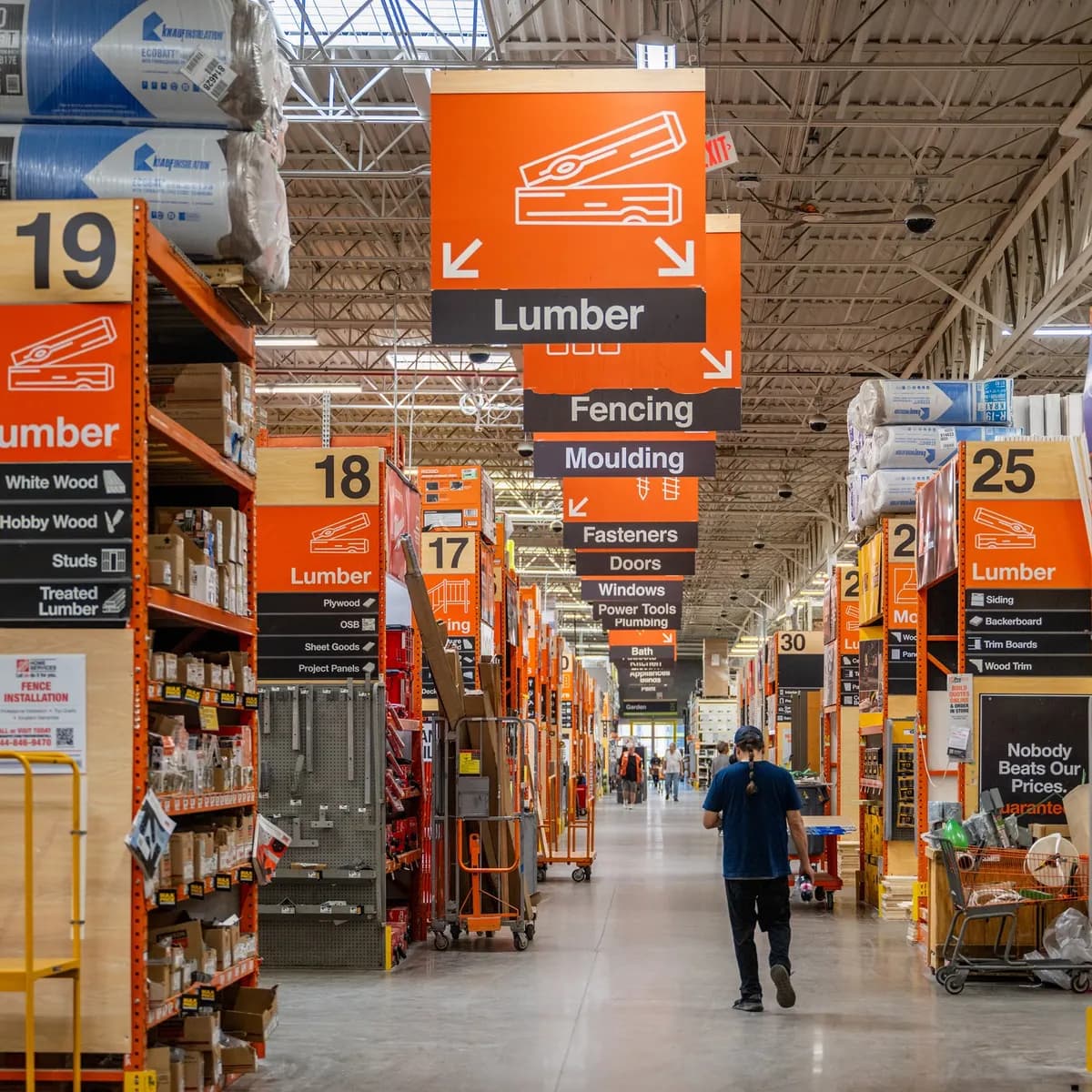
The practical entry point at Home Depot is still the store and the distribution network. Home Depot Careers lists hourly in-store and distribution center roles such as cashier, customer service/sales associate, support associate, freight associate, and general warehouse associate. Those jobs are where people learn the pace of pro desks, seasonal resets, appliance deliveries, freight nights, and the constant pressure of helping customers before a project stalls.
That store experience translates in ways corporate teams care about. Working the floor teaches operational discipline, customer awareness, and an understanding of what happens when inventory is short, a contractor needs a fast answer, or a department is understaffed during peak traffic. Those are not soft skills in retail, they are the base layer for merchandising, technology, supply chain, finance, marketing, human resources, and strategy work later on.
For associates trying to move up, that means the best store assignments are the ones that build proof points. A cashier who handles high-volume lanes, a freight associate who keeps receiving organized, or a support associate who understands how inventory moves all develop the kind of practical judgment that can travel beyond one store.
What the company is teaching interns now
Home Depot’s 2026 social post about summer interns shows the program is being used for more than recruiting. The company said those interns would earn a first-ever AI certification, build their networks, give back, and learn about what makes the culture unique. That is a clear signal that the company wants interns to leave with a mix of technical training, social capital, and a working understanding of the business.
For people inside the company, that kind of programming matters because it widens the definition of readiness. An intern is not just there to fetch coffee or sit through orientation. The company is signaling that the internship should create familiarity with modern tools, internal relationships, and the expectations that shape work across store operations and support functions.
How store jobs connect to the Store Support Center
The clearest sign that this is a real mobility path is the Store Support Center itself. Home Depot has a corporate-news story about Desi Craig that says she worked at the company for eight years before being honored at the Store Support Center in Watertown, New York. That is more than a feel-good recognition piece: it shows that long service in the field can connect to headquarters-adjacent visibility and advancement.
For associates, the lesson is concrete. The company’s internships page exists alongside its hourly role listings, which means the application path is not hidden behind a single corporate doorway. If you start in a store or a distribution center, the next step can be an internship, a cross-functional assignment, or a support-center role that builds on what you already know about the floor.
That path is also where store managers matter. If managers identify strong performers, give them stretch work, and treat interns like future talent instead of summer help, the company gets people who understand both the customer side and the internal side of the business. When that does not happen, the mobility story becomes marketing instead of practice.
What this says about internal mobility at Home Depot
Home Depot is one of the few big retailers that still talks about career ladders in a way that lines up with the realities of its stores. The company’s internship pages, hourly job listings, intern class size, and older recognition stories all point to the same message: store work can lead somewhere broader if you are in the right roles and the company keeps its pipeline open.
For associates, department leads, and store managers, the practical takeaway is to treat store performance as part of a longer record. The company is clearly watching for people who can handle the pace of retail and then carry that knowledge into merchandising, technology, finance, HR, supply chain, and other corporate functions. In a labor market where workers have options, that kind of internal path is what keeps a retail job from feeling like the last stop.
This article was produced by Prism’s automated news system from verified source data, official records, and press releases, then run through automated quality and moderation checks before publishing. The system is built and supervised by the people who set the standards it runs under. Read our full AI policy.
Did this article answer your question?