Home Depot job listings frame safety as a daily responsibility
Home Depot’s listings make safety a floor-level duty: fix hazards fast, report them to the Manager on Duty, and treat training and checks as part of the job.
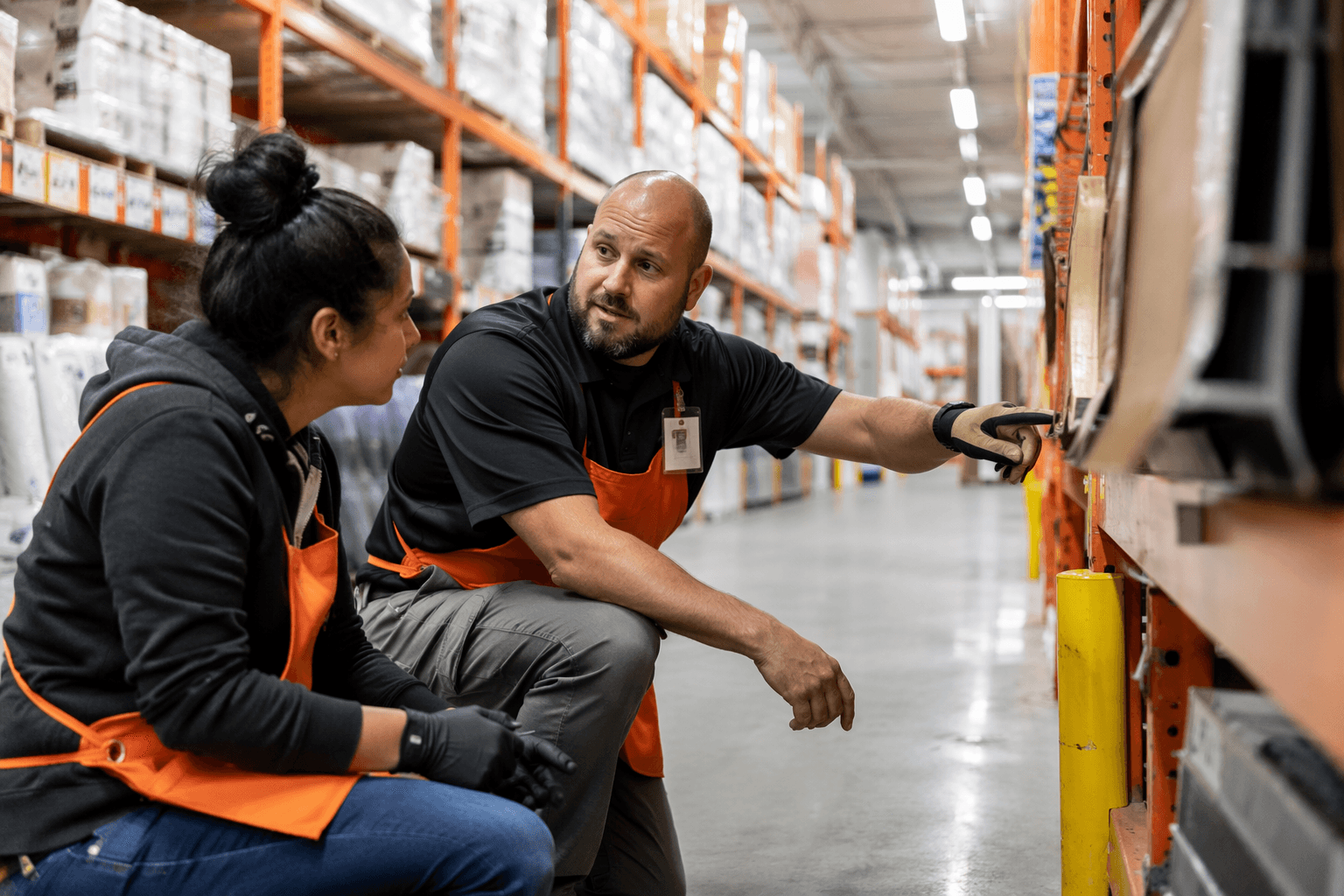
The Home Depot is putting an unusually direct safety standard into frontline job language: keep the sales floor safe, complete required training, correct hazards immediately, or escalate them to the Manager on Duty. That turns safety into part of the shift itself, not a separate compliance task sitting somewhere above the store.
Safety is written into the job, not added later
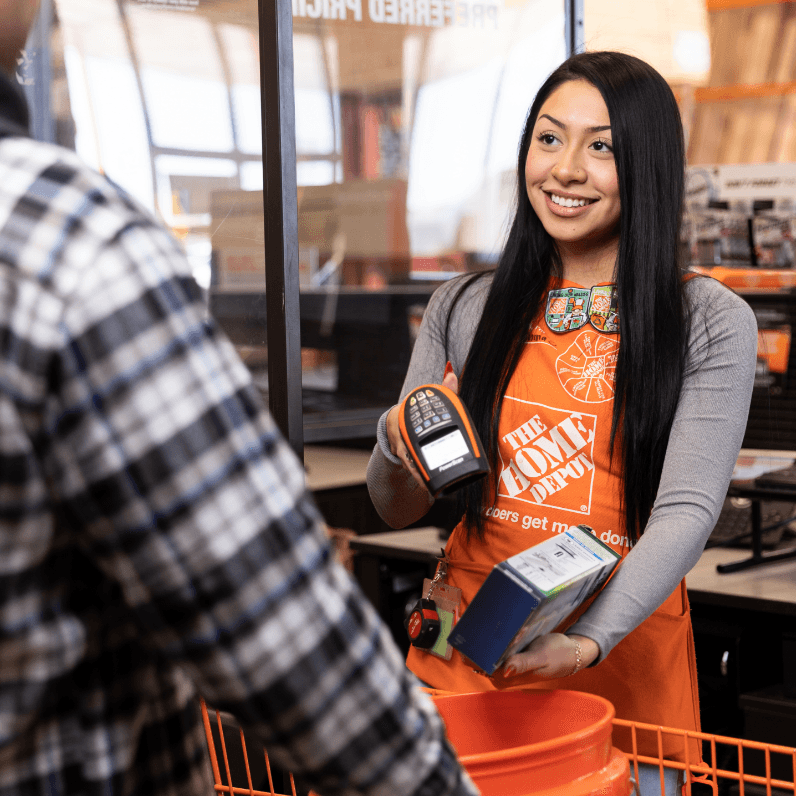
In a Customer Service or Sales Associate posting, the company says each associate is responsible for providing a safe working and shopping environment by following safety policies and standards, completing specified safety training, immediately correcting hazards or unsafe conditions, or reporting them to the Manager on Duty. The posting also says associates must work safely so they do not endanger themselves, co-workers, vendors, or customers.
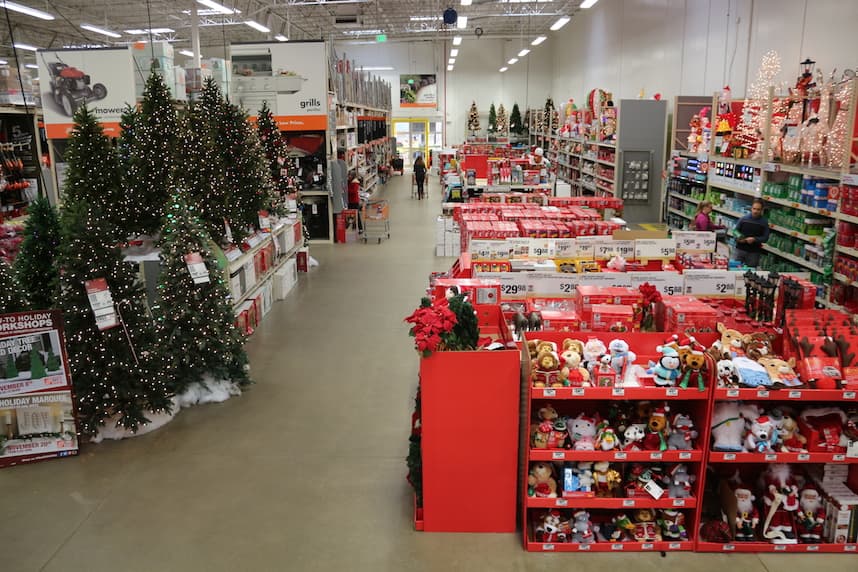
That language matters because it sets a daily standard that reaches beyond obvious emergencies. A spilled liquid, blocked aisle, unstable pallet, missing guard, or other unsafe condition is not supposed to wait for a manager to notice it later. The expectation is immediate action, fast escalation when needed, and awareness that safety is part of the work of selling paint, loading lumber, or helping a contractor in the pro aisle.
How the store is expected to run the safety system
Home Depot’s current SEC filing gives the operating side of that standard more detail. Common safety program elements include daily store inspection checklists, routine follow-up audits from store-based safety team members, preventative maintenance programs to promote equipment and physical space safety, and departmental merchandising safety standards.
That is the practical checklist behind the job-posting language. Associates are being asked to notice hazards, managers are being asked to make sure the fix happens, and the store is being asked to document that the condition was handled. The employee handbook and code of conduct reinforce that structure by giving workers a formal way to raise concerns and ask questions, which is important when the issue is not a customer complaint but a floor condition that needs attention right now.
For leaders, the implication is straightforward: if associates are expected to correct hazards or report them immediately, then store management has to make those pathways easy to use, widely understood, and consistently reinforced. A safety standard that exists only on paper will not hold up against a busy Saturday, a freight delivery, or a seasonal rush.
Training starts on day one
Home Depot says leaders receive resources to drive a culture of safety in their stores through demonstrations and Safety Passports, which are given to every new associate during onboarding along with online training. That gives the company a concrete onboarding step, not just a general promise to train people well.
The company also says it reached a goal to invest 10 million hours of training to frontline associates and 2.5 million hours of leadership training four years early. Taken together, those numbers show that safety training is being layered into a broader training model that also covers product knowledge, customer service, and leadership expectations. On a Home Depot floor, safety knowledge is treated like job knowledge.
Scale makes the standard matter more
The company says it is the world’s largest home improvement retailer based on net sales for fiscal 2025. It reported fiscal 2025 net sales of $164.7 billion and earnings of $14.2 billion, and it operates more than 2,300 retail stores in the United States, including Puerto Rico and the U.S. Virgin Islands.
That scale explains why the company wants uniform safety routines. A standard that works in one store has to work across hundreds of big-box locations, each with lumber, ladders, power equipment, garden traffic, and the kind of heavy merchandising that can create risks if it is not maintained. The result is a corporate model where safety is supposed to look the same whether the store is serving a weekday contractor crowd or a weekend wave of homeowners.
OSHA records show what happens when the routine breaks down
The enforcement record gives extra weight to the company’s emphasis on immediate correction and reporting. OSHA records show a September 2024 citation involving Home Depot Store 4187 in Willow Grove, Pennsylvania, for failure to report an employee in-patient hospitalization to OSHA within 24 hours. OSHA records also show a 2024 citation involving a Home Depot store in Tallahassee, Florida, where a forklift reverse alarm and a Ballymore closed entry door alarm were not working.
There is also a separate Sept. 27, 2024 citation tied to a workplace in Bloomfield, Connecticut, where the employer did not report an employee in-patient hospitalization to OSHA within 24 hours. Those examples show that the company’s daily safety language is not abstract. Reporting deadlines, equipment alarms, and maintenance problems can become compliance issues quickly when a store misses a step.
For associates and managers, the takeaway is concrete: safety at Home Depot is measured in fast decisions, clean handoffs, working equipment, and documented follow-through. The store standard is not just to avoid danger, but to spot it, fix it, and make sure it does not sit long enough to become the next citation or injury.
This article was produced by Prism’s automated news system from verified source data, official records, and press releases, then run through automated quality and moderation checks before publishing. The system is built and supervised by the people who set the standards it runs under. Read our full AI policy.
Did this article answer your question?