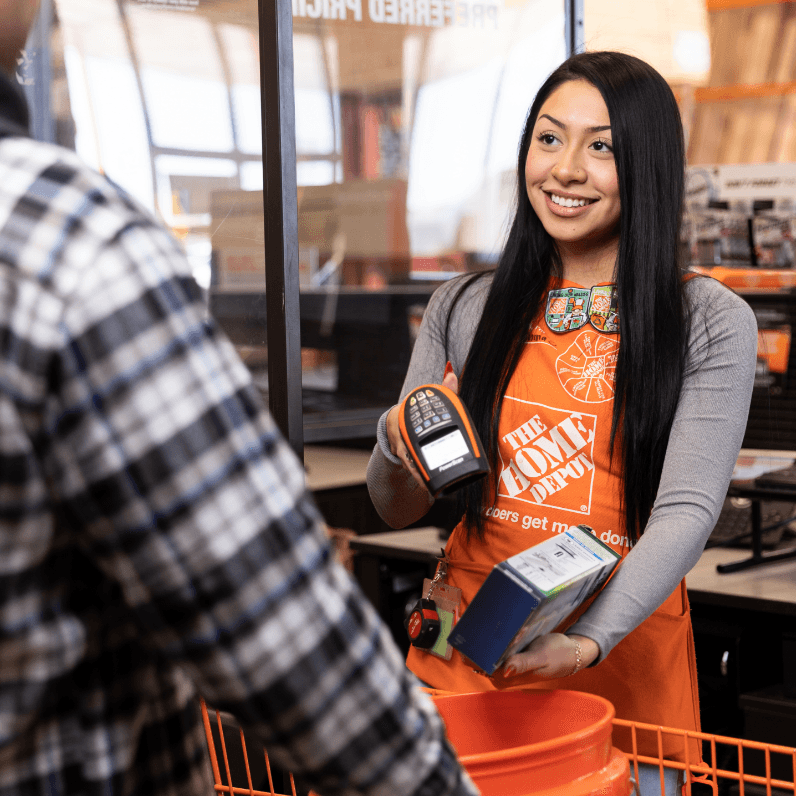
Retailers frontload China orders, Home Depot faces holiday supply strain
Retailers moved China orders four to six weeks early for Black Friday and Christmas, squeezing Home Depot's receiving windows and raising the odds of uneven shelf stock.
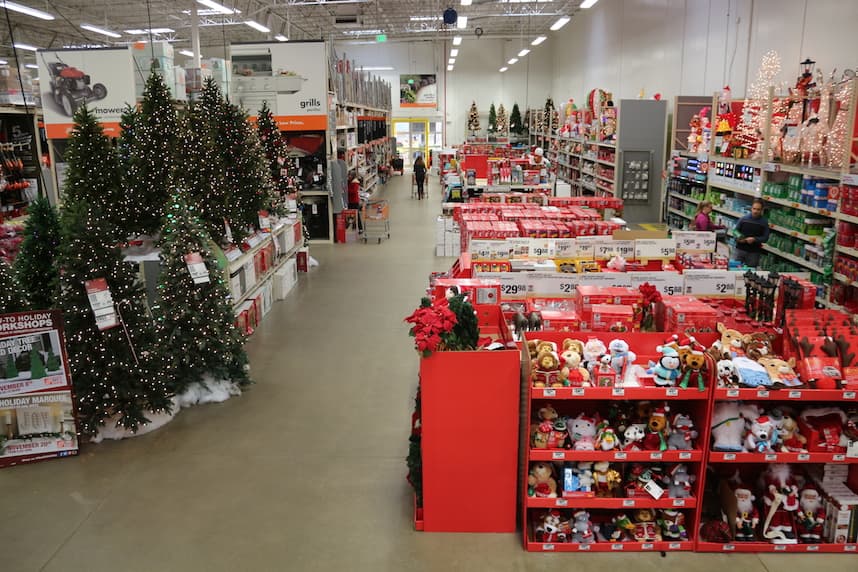
U.S. retailers pulled China orders forward by four to six weeks to lock in Black Friday and Christmas inventory before expected tariff hikes later this year. The rush was tied to a policy deadline still in flux, with a universal 10% tariff due to expire July 24 and a separate U.S. Trade Representative proposal calling for a 12.5% tariff on imports from China and elsewhere.
For Home Depot stores, that changes the work long before a customer reaches the aisle. Earlier freight means tighter receiving windows, fuller backrooms, more pressure on distribution centers and more congestion around the dock and receiving aisles. It also forces closer coordination among merchandising, logistics and store leadership so seasonal product lands in time for resets, not after them. When holiday merchandise shows up early, associates can be asked to stage, stock and sell it sooner than planned, while still keeping spring and summer categories available for contractors and DIY shoppers.
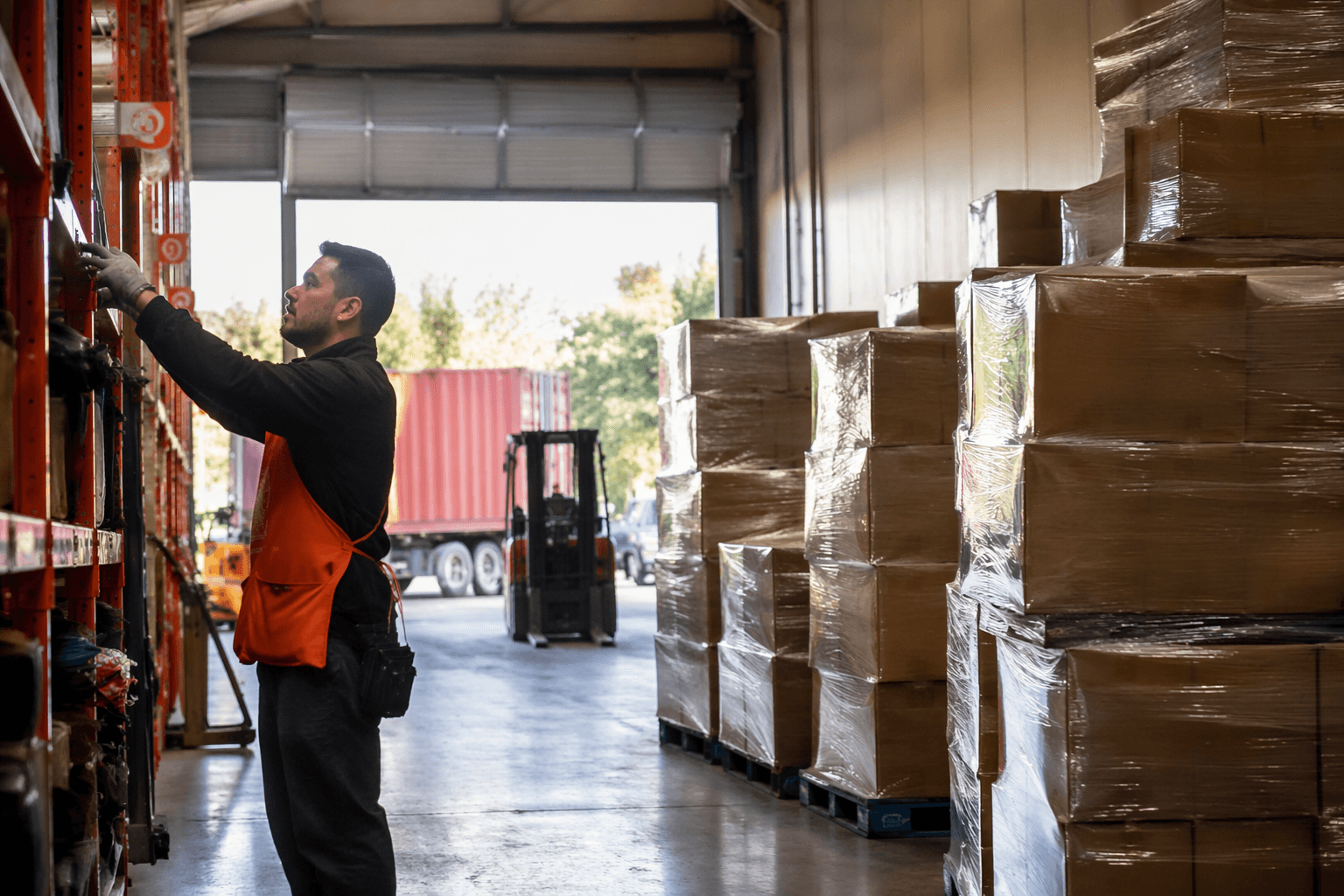
Home Depot has already made on-shelf availability a core part of its store model. Home Depot's fiscal 2025 annual report says stores remain the core of the business and that knowledgeable associates and on-shelf availability are critical to the customer experience. The company reported fiscal 2025 sales of $164.7 billion, up 3.2% from fiscal 2024, and net earnings of $14.2 billion. In its first quarter of fiscal 2026, Home Depot posted sales of $41.8 billion, up 4.8% from a year earlier.
In May 2025, Home Depot said it would keep pricing steady across its portfolio even as tariffs could make some products unavailable. The chain sources less than half of its goods outside North America, and CEO Ted Decker said no single country outside the U.S. would represent more than 10% of purchases within 12 months. Billy Bastek, Home Depot’s executive vice president of merchandising, said some products could disappear from shelves if tariffs made them uneconomic.
The broader tariff push is no longer limited to China. On June 2, the U.S. Trade Representative announced Section 301 findings aimed at 60 economies and proposed additional tariffs of 10% to 12.5%. The agency set a July 6 comment deadline and a July 7 public hearing, leaving retailers to plan holiday supply chains around rules that could still change again. The current import surge is expected to fade later in the summer as inventory buildups finish and higher tariffs start to weigh on demand.
This article was produced by Prism’s automated news system from verified source data, official records, and press releases, then run through automated quality and moderation checks before publishing. The system is built and supervised by the people who set the standards it runs under. Read our full AI policy.
Did this article answer your question?