Home Depot lumber costs stay volatile as tariffs keep pressure on prices
Framing lumber dipped 0.2% for the week, but futures rose 1.8% and tariffs still kept the category from settling down.
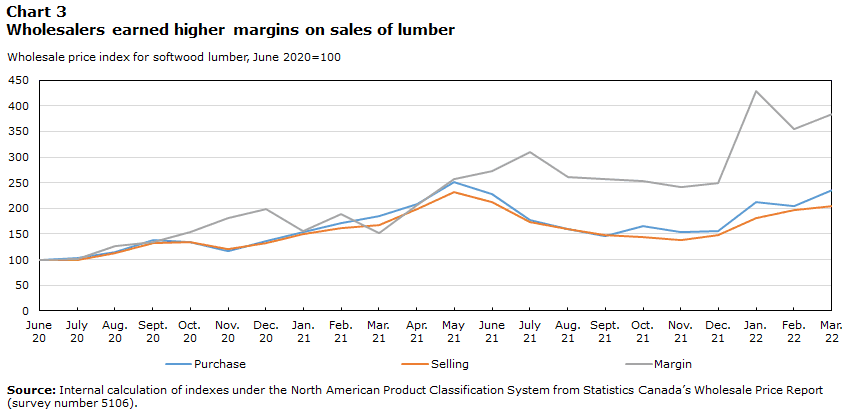
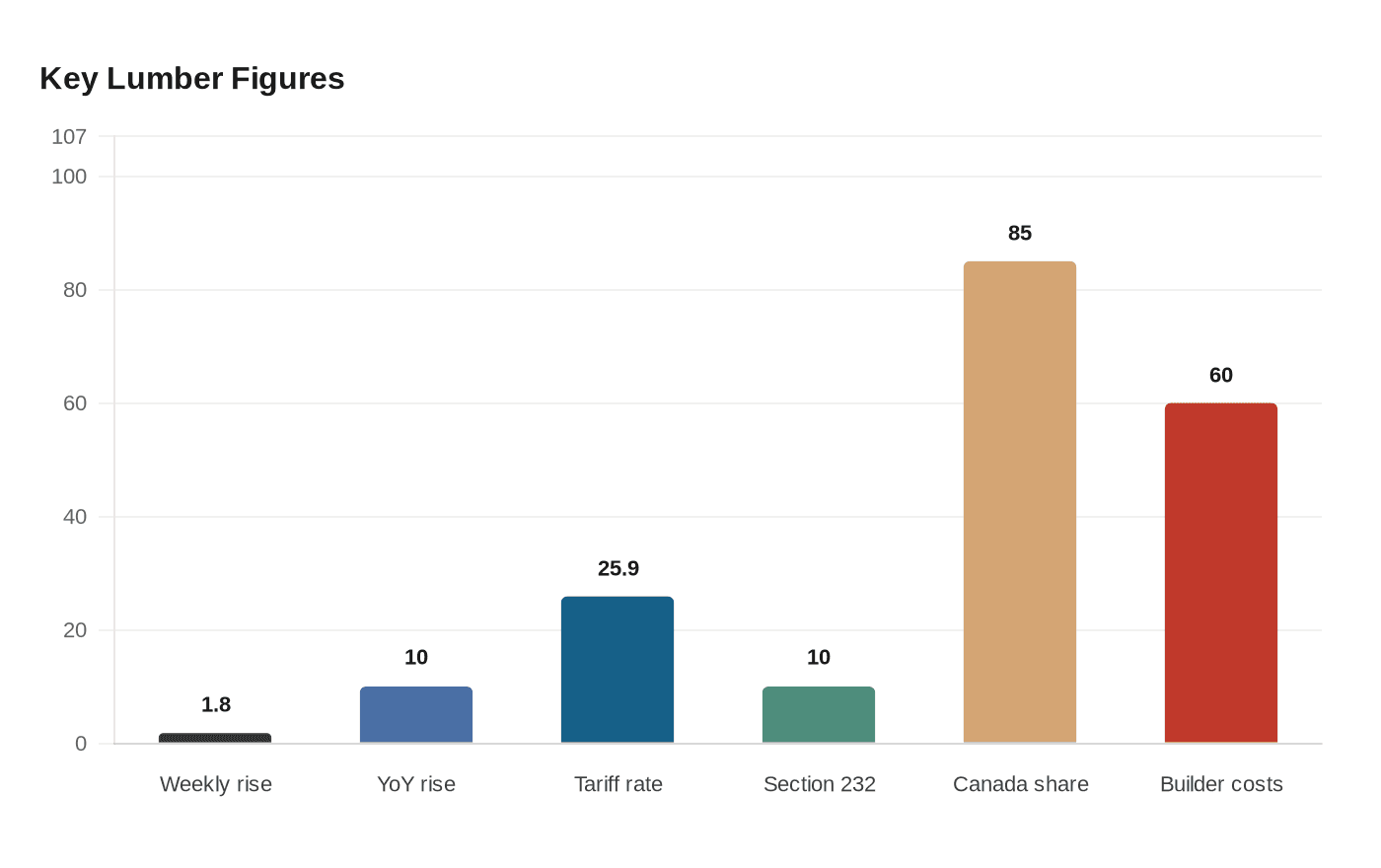
Even with framing lumber easing 0.2 percent on May 8, the aisle was far from stable. Lumber futures rose 1.8 percent from the prior week and stayed above where they were a month earlier, while the framing lumber index was still up 10.0 percent year over year. For store teams, that is the real story: a small weekly dip does not erase a market still being pushed around by tariff costs, supply swings and pricing noise that shows up first in quotes, not in headlines.
The pressure points are easy to see in the numbers. The National Association of Home Builders said preliminary antidumping and countervailing duty rates on Canadian softwood lumber brought the combined rate to 25.9 percent, with the 10 percent Section 232 tariff still in place. NAHB has said softwood lumber prices have been volatile in recent years because of demand swings, tariff pressure, supply-chain bottlenecks and insufficient domestic production. It also says changes in softwood lumber prices directly affect the cost of a new home, which helps explain why even a modest move in framing lumber can change how a deck bid, framing estimate or roof repair budget lands with a Pro customer or DIY shopper.
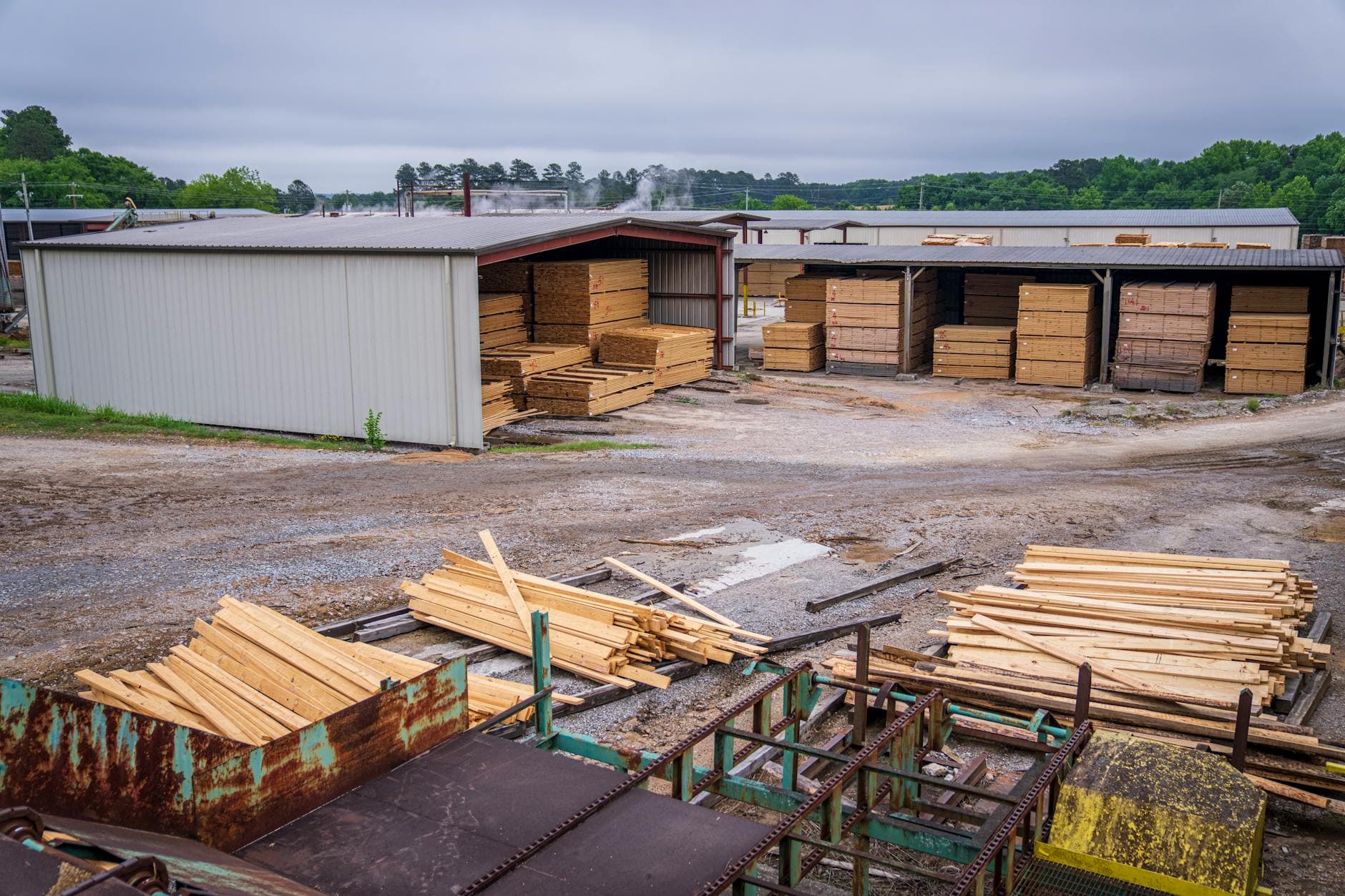
That matters because the material load in a house is enormous. NAHB says a typical new single-family home uses more than 15,000 board feet of framing lumber, more than 2,200 square feet of softwood plywood and more than 6,800 square feet of OSB. NAHB also said more than 60 percent of builders surveyed reported higher costs due to tariffs, and that Canada supplies roughly 85 percent of U.S. softwood lumber imports and nearly one-quarter of U.S. supply. In other words, the pricing conversations at the saw rack are tied to a supply chain that still leans heavily on Canada and remains exposed to policy shifts.
The backdrop for Home Depot is a business that is still leaning harder on Pro work and repair spending. On February 24, 2026, the company reported fourth-quarter fiscal 2025 sales of $38.2 billion, comparable sales growth of 0.4 percent and adjusted diluted earnings per share of $2.72. Home Depot said it operates more than 2,300 stores in the United States, Canada and Mexico. In a market that large, lumber volatility does not stay abstract for long. It lands in customer pricing, supplier behavior and the daily judgment calls that department leads and store managers make when a contractor wants to know whether to buy now or wait.
This article was produced by Prism’s automated news system from verified source data, official records, and press releases, then run through automated quality and moderation checks before publishing. The system is built and supervised by the people who set the standards it runs under. Read our full AI policy.
Did this article answer your question?