Home Depot prepares stores for storm season demand surge
Storm prep at Home Depot is now a store operations playbook, from inventory staging to emergency command center coverage, and associates will feel it before the first warning.
Home Depot is treating storm season as a store-operations problem, not a public-relations season. The company says its 2026 storm season officially began on June 1, and the work around it runs through preparedness, response, and recovery. For associates, department leads, and store managers, that means demand is not random. It follows a predictable cycle that changes what gets stocked, how fast it moves, and how the floor has to flex.
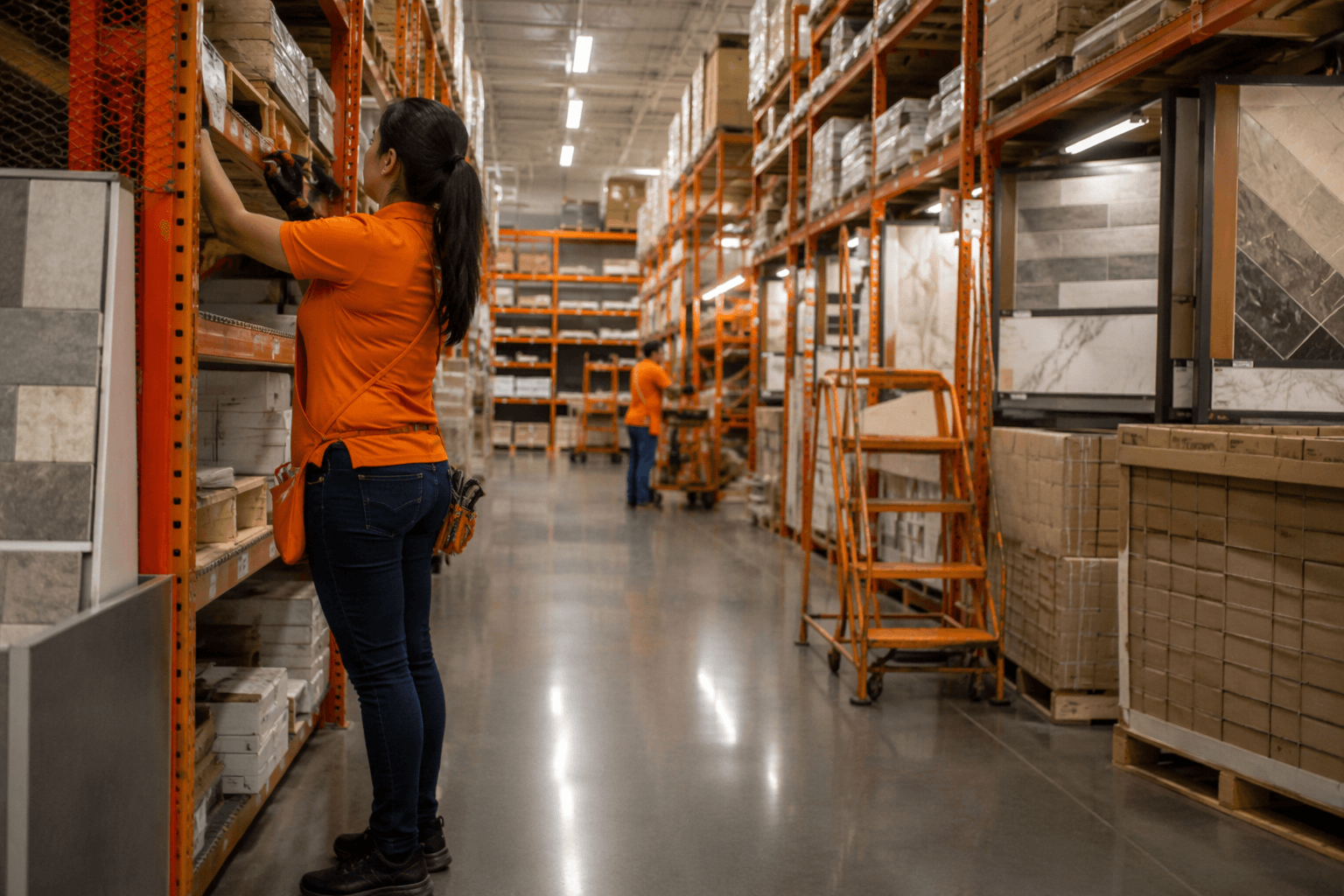
Storm season starts on the sales floor
The calendar matters because the pressure window is real. NOAA says the Atlantic hurricane season runs from June 1 to November 30, and it forecast 8 to 14 named storms, 3 to 6 hurricanes, and 1 to 3 major hurricanes for 2026. The American Red Cross has also reminded families that hurricanes can cause devastation hundreds of miles inland, which is a useful reminder for stores far from the coast that still get the cleanup rush.
Home Depot has built its response around that exact pattern. The company describes a year-round model built around preparedness, response, and recovery, including sales tax holiday awareness, preparedness guides, product checklists, and virtual workshops for customers before storms arrive. In plain store terms, that means the first wave of questions often hits before the weather does. Customers start asking what to buy first, what will be eligible, what they forgot, and how quickly they can get in and out.
For managers, the practical lesson is that storm work is not separate from the regular day. It changes the pace of the aisles, the pressure at checkout, and the amount of hand-holding customers need when they are trying to protect a home or a jobsite on short notice.
Inside the command center
When weather turns severe, Home Depot says it activates an emergency command center that keeps daily communication going across teams, impacted stores, and suppliers. The company says more than 100 expert associates are involved in real time ahead of a storm, with merchandising, operations, supply chain, and technology all working together.
That matters because it tells store leaders how decisions are supposed to move. Inventory is monitored in real time so communities can get the supplies they need to prepare and rebuild, which means storm response is expected to run through a formal chain rather than ad hoc improvisation on the sales floor. For associates, that should translate into faster direction, tighter replenishment priorities, and a clearer sense of which categories are mission-critical hour by hour.
The command-center model also sets expectations for the store itself. If coverage changes, if a bay gets thinned, or if a high-velocity aisle gets more attention than usual, that is not random panic buying. It is part of a coordinated response built to keep the right product on hand while the weather window stays open.
What customers ask for first
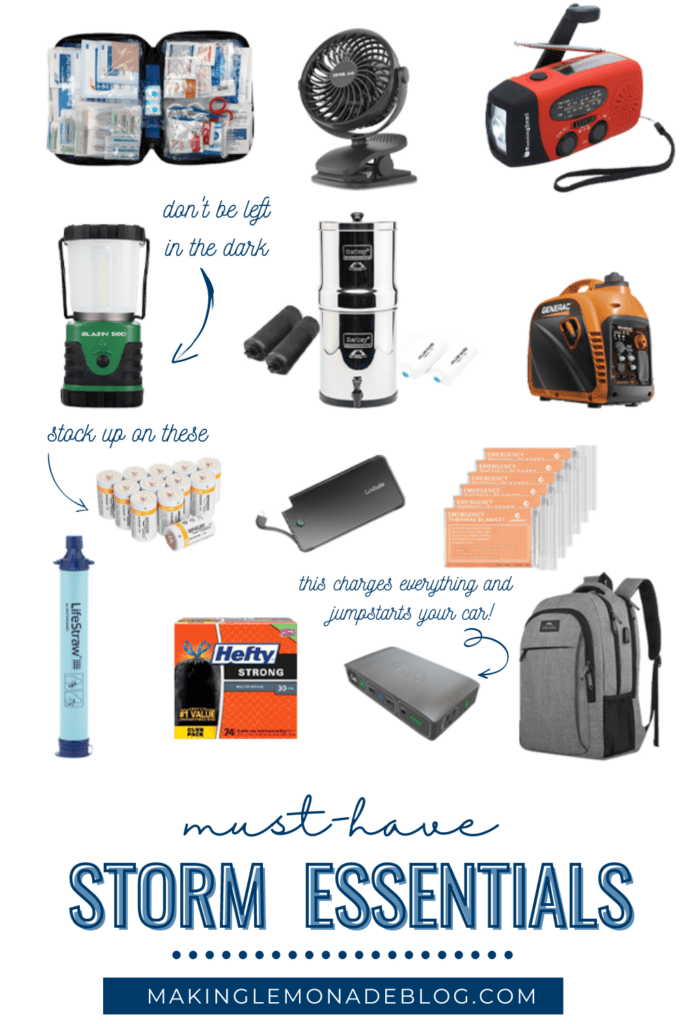
Storm demand is usually about mitigation before it becomes rebuilding. The items customers reach for most often are the ones that solve immediate problems: generators, gas cans, batteries, water, tarps, sump pumps, wet/dry vacs, and flashlights. In other words, they are buying time, power, and cleanup capacity before they are buying anything else.
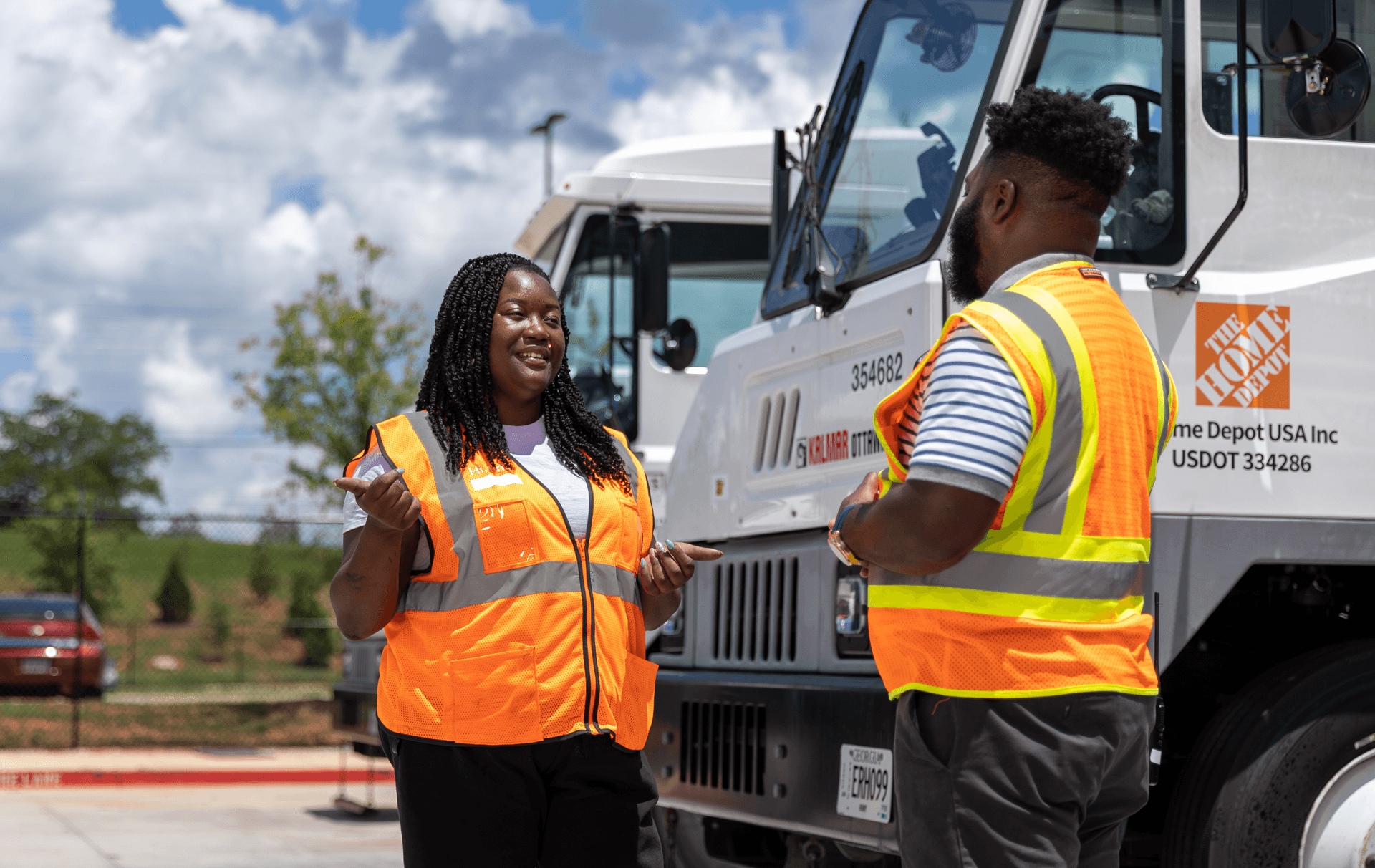
Home Depot has said its supply-chain, merchandising, and operations teams stock trucks with the necessary items and stage them just outside the strike zone for easier access, while stores add extra emergency products. That staging matters on the floor because it can keep the most urgent goods moving without turning the front end of the store into a bottleneck. Associates who know the emergency sequence can steer customers faster, reduce confusion, and keep the highest-demand aisles from clogging up when everyone arrives at once.
A practical storm-season read for store teams looks like this:
- Know which emergency products are being pushed hardest in your store.
- Watch the aisles that become high-traffic zones first, especially power, water, and cleanup items.
- Expect customers to need quick guidance on the order of purchase, not just product location.
- Treat replenishment as a customer-service issue, because empty shelves slow everything else down.
Home Depot has been building this customer education model for years. In 2020, it said it was offering a Hurricane & Storm Preparedness Livestream Workshop led by expert associates. In 2021, it said it was expanding disaster-preparedness resources alongside FEMA’s National Hurricane Preparedness Week and National Wildfire Preparedness Month. That tells stores something important: the company wants the first conversation about storm prep to happen before the shelf is half empty.
Recovery work does not end when the sky clears
Home Depot’s disaster playbook extends well past the store parking lot. Team Depot, the company’s associate volunteer force, has worked with nearly 15,000 nonprofits since 2011 and averages five projects a day in local communities. The company says Team Depot and The Home Depot Foundation pre-stock nonprofit partner warehouses and Home Depot distribution centers with relief supplies for quick deployment before disaster strikes.
That recovery side matters for associates because it shows how the company sees its role after the immediate rush. Team Depot assembles disaster relief buckets full of emergency supplies, and the broader network with organizations such as the American Red Cross and FEMA helps push resources into affected areas faster. The work is organized, not improvised, which is exactly what a storm response needs when roads are closed, power is unstable, and local demand spikes at once.
The scale of that commitment has grown. On May 21, 2026, Home Depot said its Foundation was investing more than $5.5 million in disaster preparedness, response, and rebuilding efforts. The company also said its 2025 disaster-season support reached nearly $9 million, including $3 million for wildfire response in Southern California. For store teams, those numbers underscore that storm season is not a side project. It is part of the company’s operating identity.
Why Hurricane Andrew still shapes the story
Home Depot still points back to Hurricane Andrew in August 1992 as the moment it realized it was “not only a retail store” but also part of the infrastructure of disaster response. NOAA’s historical account says Andrew made landfall near southern Dade County on August 24, 1992 as a Category 4 hurricane, and left up to a quarter-million people temporarily homeless in Dade County alone.
That history explains why storm prep shows up so often in the company’s public messaging. Home Depot has used Andrew again in its 2023 documentary-style film Hope Builds, alongside the 2011 Joplin tornado and the 2018 Camp Fire. More than 30 years later, the company is still framing disaster work as part of what it does for communities, not just a seasonal burst of goodwill.
For store managers and associates, the message is clear. Storm season changes the job because it changes the store’s function. The floor becomes a triage point for urgent needs, the back end becomes a coordination problem, and recovery starts before the first storm arrives. In a season defined by speed and uncertainty, the stores that are ready will look less like retail outlets and more like local infrastructure.
This article was produced by Prism’s automated news system from verified source data, official records, and press releases, then run through automated quality and moderation checks before publishing. The system is built and supervised by the people who set the standards it runs under. Read our full AI policy.
Did this article answer your question?