Home Depot sees stores as disaster-response infrastructure after Hurricane Andrew
Hurricane Andrew reshaped Home Depot into a disaster-response hub, with stores, trucks and associates built to help communities recover fast.
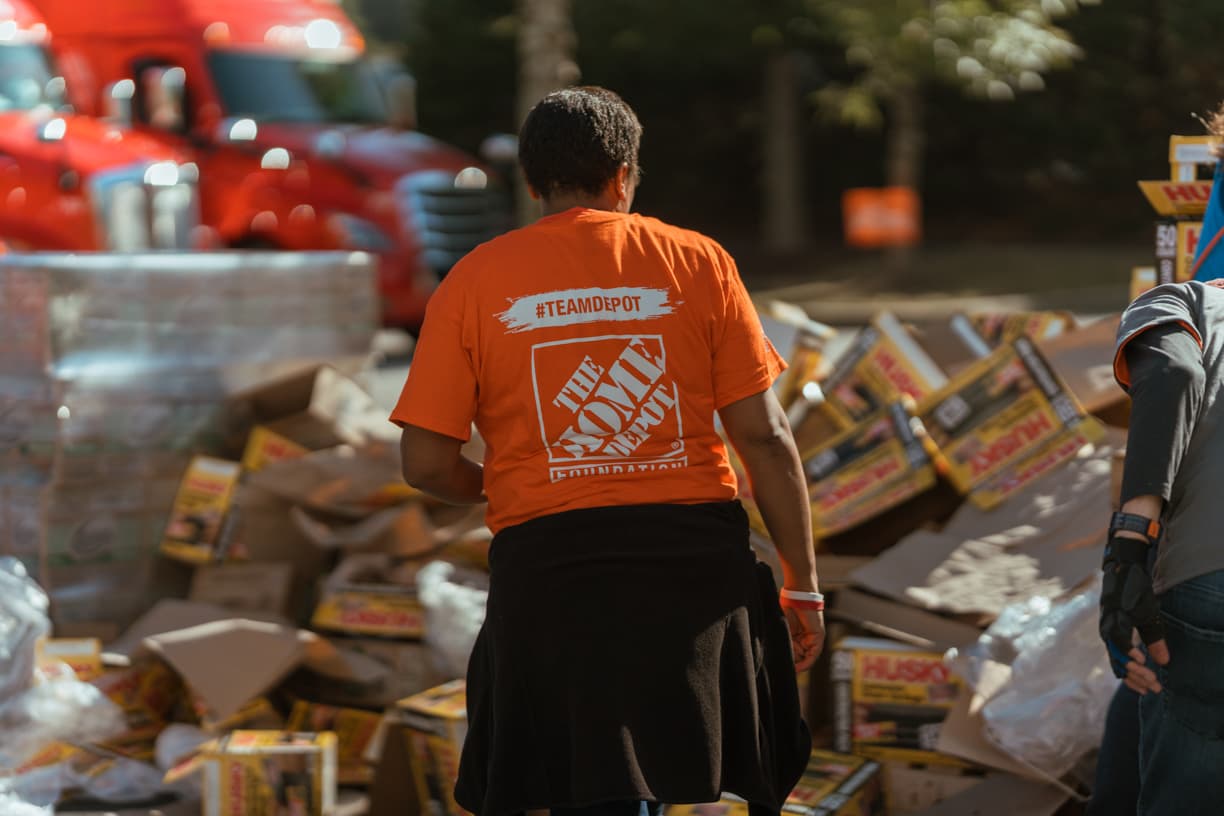
The Home Depot treats disaster season as an operating reality, not a side project. After Hurricane Andrew hit South Florida on Aug. 24, 1992, the company says it learned that its stores were more than retail outlets, they were part of the infrastructure communities rely on when emergencies hit.
Stores as local infrastructure
In a disaster, a Home Depot store can become a coordination point as much as a sales floor. The company says its stores often turn into command centers for first responders and relief agencies, which changes the role of the building the moment a storm threatens power, water or access to basic supplies.
That shift matters because it puts associates at the center of neighborhood recovery. When the customer mix changes from weekend DIY traffic to contractors, homeowners and emergency crews, the store has to keep moving fast on the basics: batteries, fuel, plywood, wet-dry vacs, bottled water and other high-demand items that become mission-critical in a storm.
Home Depot says that experience has been an “awakening,” and that it now sees itself as part of the infrastructure communities depend on during disasters. More than 30 years after Andrew, the company says it is one of the leading corporate supporters of disaster preparedness and recovery in the United States.
How the playbook works before the storm
The company’s disaster response is built across supply chain, merchandising and operations, not left to one team. Home Depot says those groups work around the clock before, during and after storms to keep emergency goods available and moving where they are needed most.
A big part of the playbook is logistics. Home Depot says it stockpiles trucks with necessary items and stages them outside the strike zone so they can be reached more easily once conditions change. That detail is not abstract for store leaders, because it determines whether a location can keep product flowing when roads are blocked, demand spikes and customers are anxious.
The company also says its Supply Chain Disaster Travel Team mobilizes quickly when there is a need. Nearly 500 associates were part of that team in 2018, a reminder that disaster response inside Home Depot is a people operation as much as a freight operation.
What that means on the floor
For associates, the first signs of storm prep are usually in receiving, replenishment and pro coverage. Seasonal project rushes already stress staffing and inventory, but a hurricane or severe weather event adds a different kind of pressure: customers need answers fast, and the store has to balance urgency with safety.
That is where trade knowledge becomes visible. Associates who know the difference between materials that will hold up in wet conditions, tools that can handle cleanup work, and supplies that matter in a short outage are not just helping close a sale. They are helping customers make decisions under pressure, often with a contractor waiting behind them or a homeowner trying to secure a roof before landfall.
Team Depot and the nonprofit network
Home Depot’s disaster response does not stop at the front door. The Home Depot Foundation says it works with partners such as Team Rubicon and contributes to the American Red Cross’ Annual Disaster Giving Program so relief can move quickly after a storm or other disaster.
Team Depot, the associate-led volunteer force, extends that reach into the community. The group says it has worked with nearly 15,000 nonprofits since 2011 and completes about five projects a day on average, which gives the company a standing network of hands it can put to work when neighborhoods need cleanups, repairs and supplies.
That network showed up in a concrete way in 2024, when 400 Team Depot volunteers assembled nearly 4,000 disaster clean-up kits with Convoy of Hope. Home Depot also says the Foundation and Team Depot pre-stock nonprofit partner warehouses and Home Depot distribution centers with relief supplies so they can be deployed quickly after a storm.
Why the Foundation matters to store teams
The Foundation’s role gives store associates a clearer path from local urgency to broader recovery. When grant funding, partner warehouses and volunteer deployment are already in motion, a store can do what it does best: get product to people fast and support the next stage of cleanup.
That approach also helps explain why disaster response is a workplace issue, not only a philanthropic one. If the relief pipeline is active before a storm, associates spend less time improvising and more time following a playbook that has already been tested in the field.
More money, more readiness
The company is still adding resources to that system. In May 2026, The Home Depot Foundation announced more than $5.5 million in disaster-preparedness and resilience grants for nonprofit partners ahead of storm season.
Those grants, paired with mitigation training, are meant to support communities through every stage of a disaster, from preparation to recovery. For store managers and department leads, that means disaster readiness now sits alongside the normal work of inventory planning, labor scheduling and customer service.
It also reinforces why the company’s storm response feels different from a generic corporate charity effort. The emphasis is on usable infrastructure: stocked trucks, staged supplies, trained volunteers, partner warehouses and stores that can absorb sudden pressure without breaking the customer experience.
What associates can take from the model
The clearest lesson from Home Depot’s disaster playbook is that readiness is built into the job. Associates are part of a system that moves from prevention to response to rebuild, and the company is explicit that taking care of teams and neighbors is part of its culture.
That creates a different kind of pride on the sales floor and in the back room. When a store can help a community secure a home, clear debris or restart repairs after a storm, the work goes beyond ringing up emergency inventory. It becomes part of how a neighborhood gets through the crisis and starts back up the next day.
This article was produced by Prism’s automated news system from verified source data, official records, and press releases, then run through automated quality and moderation checks before publishing. The system is built and supervised by the people who set the standards it runs under. Read our full AI policy.
Know something we missed? Have a correction or additional information?
Submit a Tip