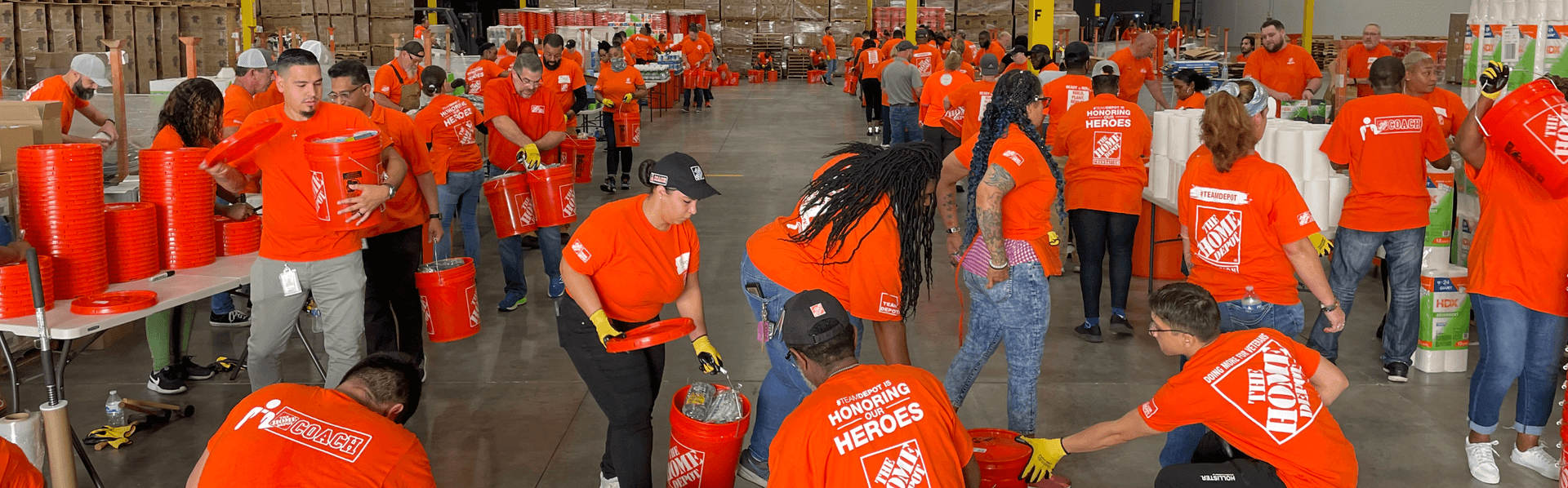
Home Depot store associates do more than answer questions, they solve projects
Home Depot’s floor jobs are sales jobs, project jobs, and recovery jobs all at once. The best associates sell the fix, keep the aisle ready, and help customers leave with the right parts the first time.
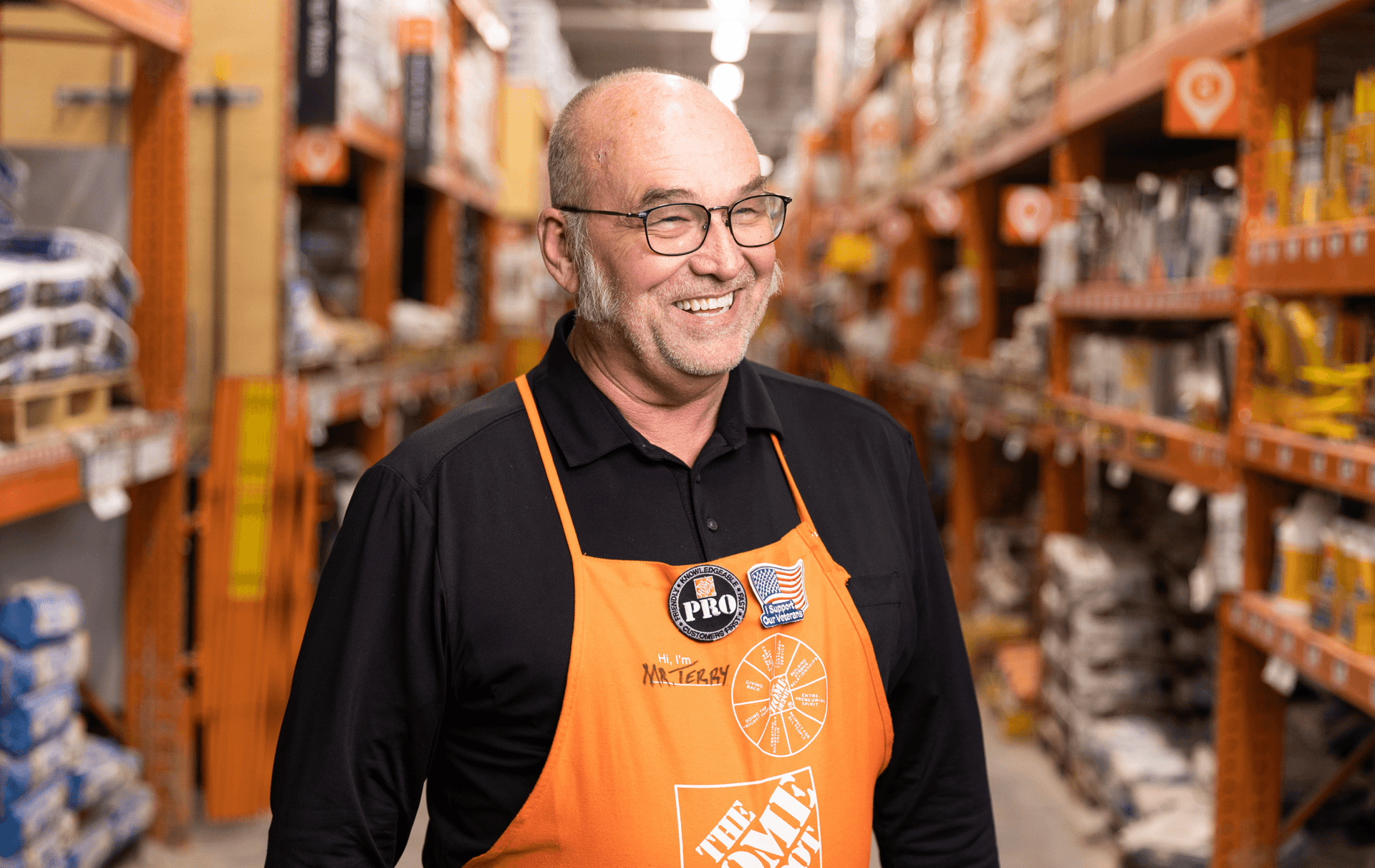
What the floor role really demands
A Home Depot associate on the sales floor is not just there to answer a question and point to an aisle. The company says Customer Service/Sales associates provide fast, friendly service by actively seeking out customers to assess their needs and provide assistance. That changes the job from reactive to proactive: the associate is expected to find the problem, not wait for it to be described perfectly at the endcap.
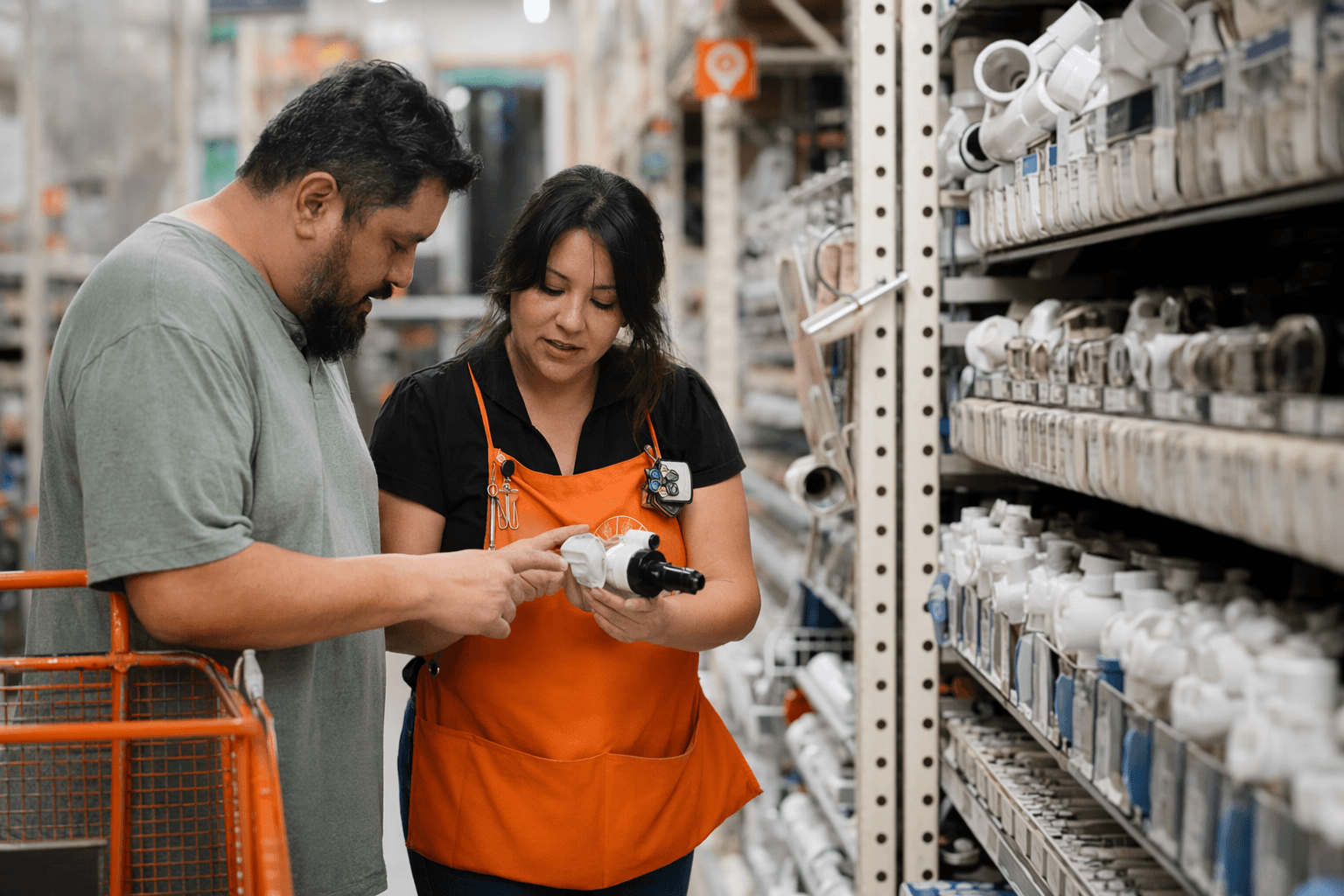
That matters because most shoppers are not buying a single item in isolation. They are trying to finish a project, and the associate has to think in project terms, not product terms. A request to replace a faucet can quickly turn into a conversation about the valve, supply lines, tools, sealants, and the timing of the repair. In practice, the role blends product knowledge, problem solving, and a kind of inventory detective work that determines whether a customer leaves ready to start or stuck coming back for the missing piece.
Selling a project, not just a SKU
Home Depot’s job postings make clear that the best floor associates are expected to know more than basic store layout. The company says these associates learn product features, know related items to sell an entire project, and greet, qualify, recommend, and close customers in their department. That is a retail sales script, but it is also a service discipline built for a store where the customer often arrives with a half-finished plan and a deadline.
The job also stretches across department lines. Some postings say associates handle basics in adjacent departments, which reflects the reality of a large store where one customer’s project can cross plumbing, electrical, hardware, and tools in a single trip. The associate who knows how to connect those dots becomes more valuable than someone who can only answer a narrow question. That is where strong floor performance starts: in curiosity, calm communication, and the willingness to walk the sales floor instead of waiting behind a counter.
Why in-stock, clean, and safe matter to sales
The role is not only about conversation. Home Depot says these associates also maintain assigned areas so they remain in-stock, clean, shoppable, and safe. That detail may sound operational, but on the floor it is part of the sales job. A dirty bay, a missing item, or a cluttered aisle can derail a project, slow the customer down, and turn a simple trip into a return or a complaint.
For managers, that makes service recovery and attachment sales part of the same task. If inventory is accurate and visible, and if the associate can quickly answer whether the right parts are on hand, customers are more likely to trust the store and buy what they need on the first trip. The floor associate becomes the bridge between store execution and customer confidence. That is especially important in departments where one missing connector or one overlooked accessory can stop the whole project.
The company’s own staffing message
Home Depot’s corporate messaging backs up how central these jobs are. The company says associates are essential to providing the experience and service that customers demand, and it says it focuses on cultivating a compelling associate experience to attract and retain workers. That is more than branding language. It is an acknowledgment that the store experience lives or dies on the people working the floor, not just on signage, product assortment, or digital promises.
The company also notes that more than 87% of store leaders started as hourly associates. That is a strong signal for anyone in a floor role: the job is not treated internally as a dead end. It is part of the leadership pipeline. For department leads and store managers, that history makes training and coaching even more important, because the habits built on the floor can become the habits that shape the next layer of management.
Seasonal pressure is built into the model
Home Depot has long tied staffing to seasonal demand, and that matters for anyone working the floor during peak project periods. In February 2022, the company said it would hire more than 100,000 associates ahead of the spring season. In February 2020, it said it would hire 80,000 associates for spring and noted that about 90% of the U.S. population lives within 10 miles of a Home Depot store.
Those numbers help explain the pressure on associates. Spring is not just busier; it is the season when the store’s role in the community becomes most visible. Customers are launching repairs, outdoor projects, and home refreshes at scale, and the floor staff has to absorb the rush while keeping service personal. For managers, that means staffing plans cannot be built around cash wrap coverage alone. They have to reflect where product questions, substitutions, and attachment opportunities will hit hardest.
Training is designed to get people selling faster
Home Depot’s PocketGuide onboarding app shows how the company thinks about floor readiness. The corporate message around the app is simple: reduce time spent in the back room and get new associates onto the sales floor sooner so they can spend more time interacting with customers. That is a revealing priority. The goal is not just to train people in theory, but to accelerate their ability to contribute in the aisle.
For new associates, that can shorten the gap between hiring and real customer contact. For experienced teams, it means onboarding is meant to support the sales floor, not isolate it from the business. A faster path to the floor also raises the stakes of training quality. If associates are expected to greet, qualify, recommend, and close, they need enough product knowledge to do it without guessing.
What strong performance looks like in practice
At The Home Depot, the best floor associates combine three habits: they seek customers out, they understand the project behind the purchase, and they keep the department ready for the next person. That is why the role carries so much influence over both sales and customer trust. A good associate does not just answer what the customer asked. They identify what the customer still needs before the project fails.
That is the real floor standard at the world’s largest home improvement specialty retailer, founded in 1978 and headquartered in Atlanta. The job is part product expert, part problem solver, and part inventory steward. In a store built around projects, the associate who can help someone finish the job is doing far more than answering questions. They are shaping whether the customer comes back confident, frustrated, or at all.
This article was produced by Prism’s automated news system from verified source data, official records, and press releases, then run through automated quality and moderation checks before publishing. The system is built and supervised by the people who set the standards it runs under. Read our full AI policy.
Did this article answer your question?