Home Depot Stores Vary Widely on Freight Purge Staffing
A December 24 discussion thread by Home Depot associates revealed large differences in how stores handle freight purge work during the slow season, with models ranging from a single dedicated pack down associate to rotating department crews. The variations matter because they shape workloads, coverage of incoming freight, and scheduling and cross training decisions that affect employee safety, hours, and morale.
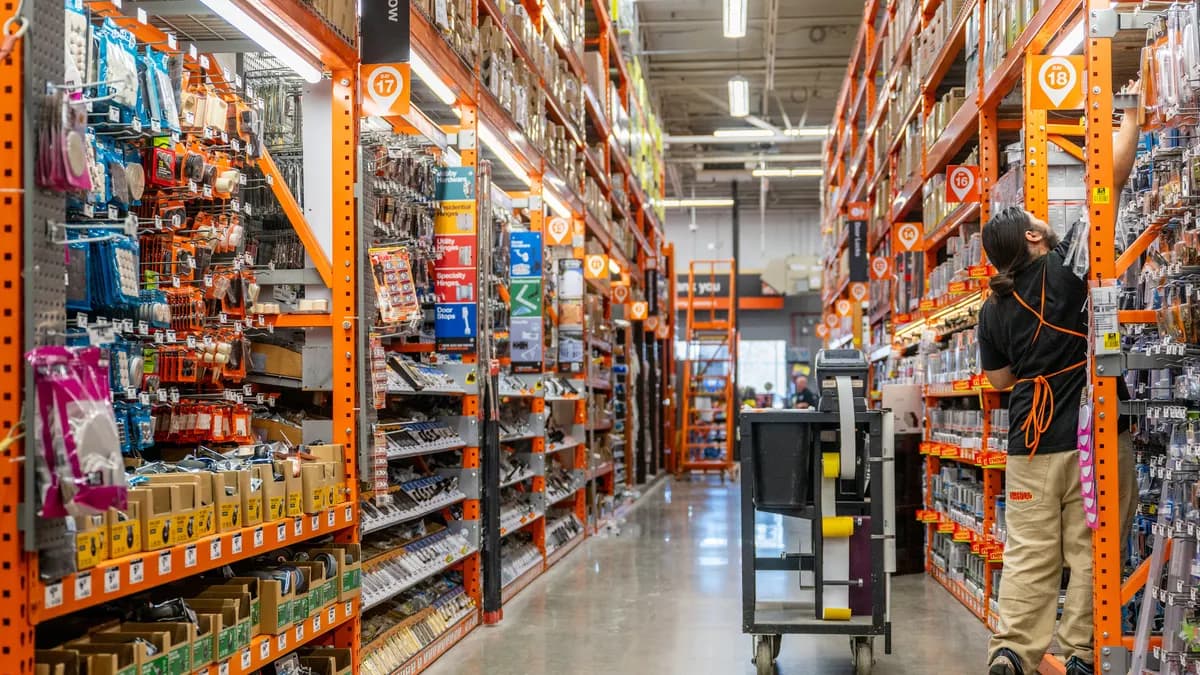
Front line Home Depot associates exchanged detailed accounts on December 24 about how their stores staff freight purge work, offering a rare window into labor decisions that surface after the holiday rush. Responses described several common approaches. Some stores relied on a single dedicated pack down associate, others staffed small pack down teams of 2 to 6 people, and many rotated department associates to perform pack down after truck nights. A number of managers reassigned top freight staff to pack down roles, sometimes leaving gaps in freight coverage on the sales floor.
The thread highlighted the tradeoffs managers and associates face when allocating labor in the post holiday slow season. When managers concentrate pack down work in a small team, associates said that helps clear back stock more efficiently but can concentrate physical strain and overtime on a few employees. Rotating department crews spreads labor across more people, but it can delay other departmental tasks and create scheduling complexity. Reassigning top freight staff to pack down roles can get purges completed, while reducing experienced coverage for receiving and merchandising.
Conversations also noted an organizational change at the district level to standardize purges across stores. That move could reduce local variation, but associates reported mixed effects at the store level, including recent staffing disruptions after a firing that left some teams short handed. Associates framed these operational choices as matters of safety, hours, and job satisfaction, with implications for retention and for the timeliness of restocking and floor presentation.
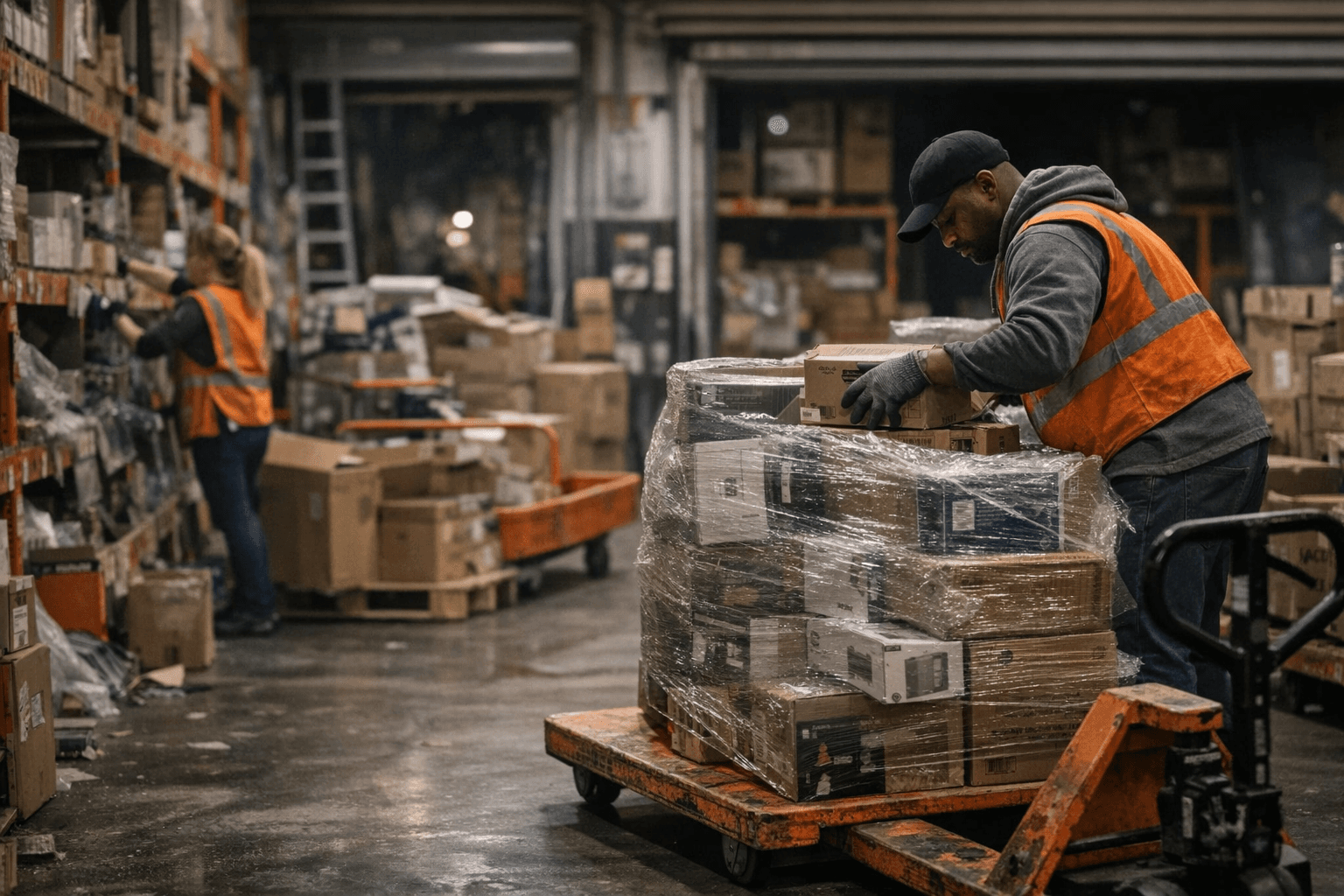
The practical consequences are tangible for workers. Staffing models affect shift schedules, the likelihood of overtime, and opportunities for cross training that could broaden skills or create burnout. They also affect customer facing areas when freight receiving is understaffed. Employees should monitor district communications about any new standardization, seek clarification from managers about scheduling and cross training, and track how changes affect coverage and workload in the weeks after the holidays.
Know something we missed? Have a correction or additional information?
Submit a Tip