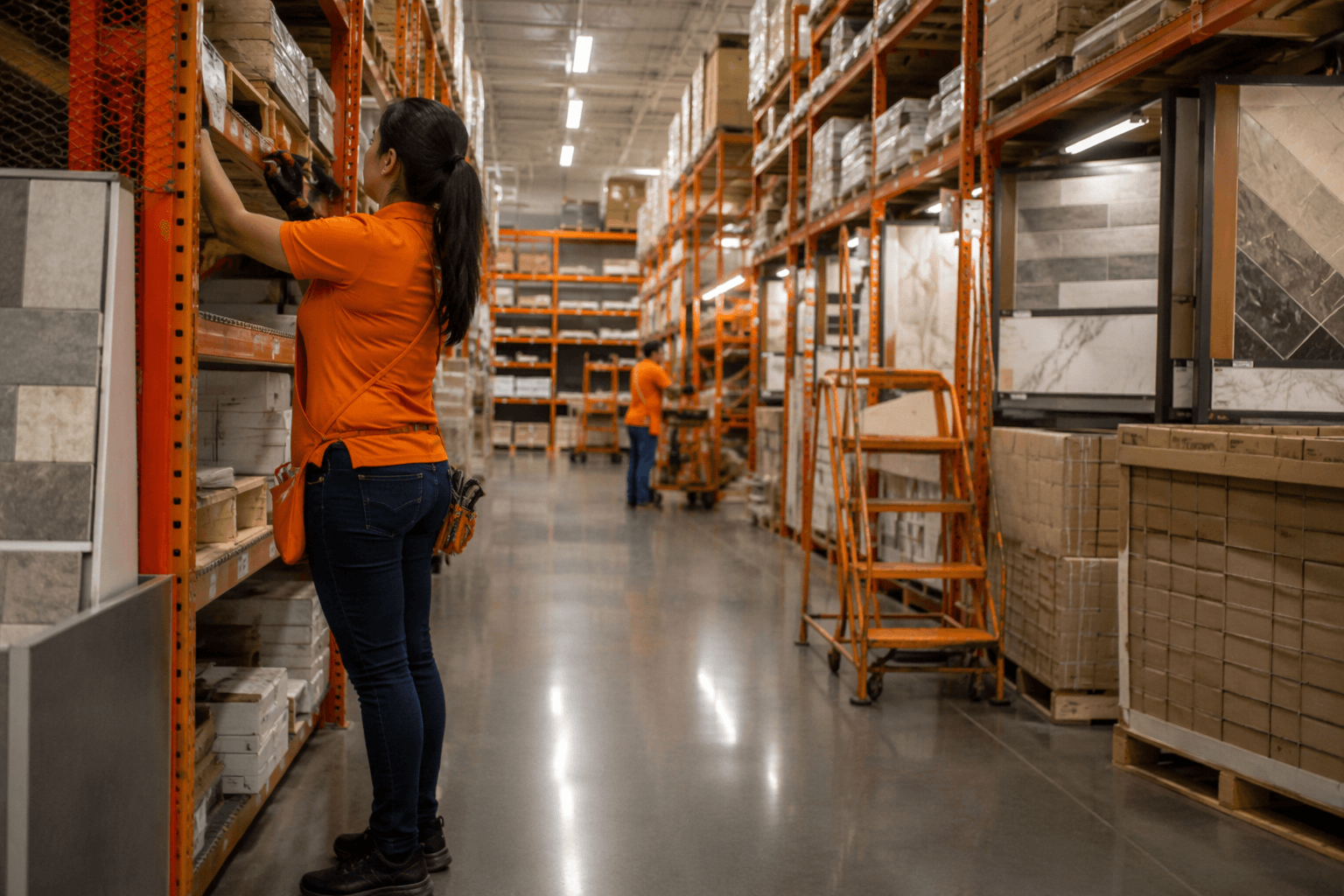
Home Depot’s doers get more done philosophy guides store work
Home Depot’s doers mindset is a store-floor standard, not just a slogan. It rewards fast service, solid product knowledge, and pro-level problem solving across departments.
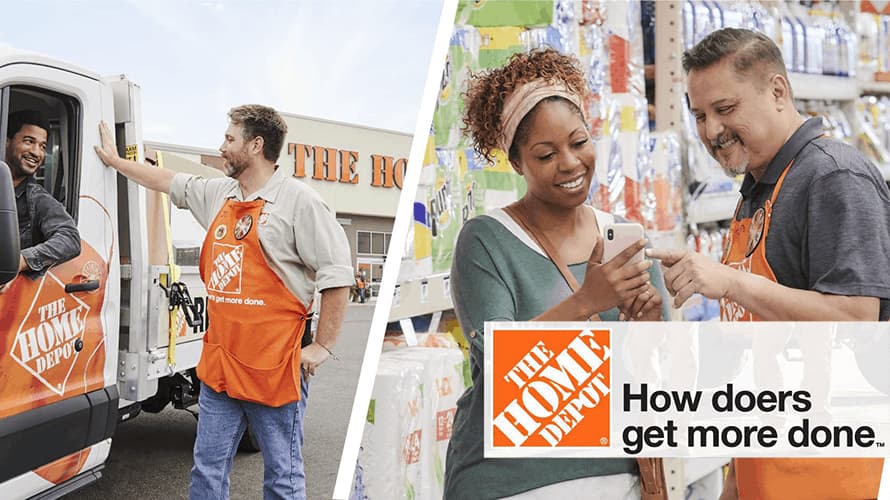
A contractor in a rush needs a quick answer, not a circular handoff between departments. Home Depot’s “How doers get more done” idea translates cleanly into store behavior. It tells you what matters on a busy shift: help the customer finish the project, keep product moving, and solve the snag before it turns into a lost sale or a frustrated contractor.
What the slogan asks of the store
Home Depot describes customers as “doers,” saying they “like to get their hands dirty, test new skills and build stuff,” and that it has been building capabilities to help them get more done for the last 40 years. That frames the job on the sales floor as more than stocking and ringing. You are part of the customer’s project timeline.
Home Depot sells outcomes, not just items. A customer in paint needs the right roller and the right finish. A customer in lumber needs dimensions, load basics, and a clean path to pickup.
How it shows up in daily store work
The best way to use the doers mindset is to turn it into a habit on the floor. If a shopper is trying to complete a repair, build a deck, or replace a broken part, the associate’s job is to identify the project, not just the product. That means asking what the customer is trying to finish, checking whether they need accessories or a second item, and making sure they leave with the materials that keep the job moving.
In practical terms, the philosophy shows up in a few simple store behaviors:
- Faster aisle-to-answer service when a customer is stuck on a project detail
- Accurate product knowledge when a tool, fastener, or material has to match a specific job
- Clean handoffs across departments when a customer needs lumber, hardware, paint, or appliances in one trip
- Quick recovery when an item is missing, damaged, or misplaced, because the customer’s work is waiting
A clean shelf and a correct recommendation save time for the customer and reduce repeat trips and service escalations.
Why the company’s history still matters on the floor
Bernie Marcus and Arthur Blank were fired from Handy Dan Home Improvement Centers on April 14, 1978. The Home Depot Inc. was incorporated in Delaware on June 29, 1978, and the first two Home Depot stores opened in Atlanta, Georgia, on June 22, 1979.
Home Depot’s timeline quotes Marcus saying in 1979, “The Home Depot concept is to provide the most complete assortment of lumber, building materials and home improvement products, competitively priced in a service-oriented retail situation.”
For managers, a policy, task assignment, or staffing decision that slows down a customer’s project cuts against the company’s original logic.
How the tagline changed the way the work is framed
In December 2019, Home Depot changed its tagline from “More Saving. More Doing.” to “How doers get more done.” That shift moves the emphasis away from a broad retail promise and toward a more active one: the customer is already in motion, and the store exists to help them finish.
“More Saving” is about value. “How doers get more done” is about momentum. A good interaction is not only about price, but about removing friction, avoiding confusion, and keeping the project on schedule. That is why a fast answer in tool rental, a well-timed stock check, or a clear explanation of a product’s use can matter as much as a discount.
What this means for pro customers and complex orders
Home Depot’s current operating model has expanded far beyond a single-trip DIY store. In Home Depot’s 2024 annual report, fiscal 2024 sales reached $159.5 billion, up $6.8 billion, or 4.5 percent, from fiscal 2023, even as high interest rates and macroeconomic uncertainty pressured home improvement demand. The chain serves homeowners, remodelers, and professionals making choices under cost pressure.
In March 2024, Home Depot announced four new distribution centers to expand its pro ecosystem in Detroit, southern Los Angeles, San Antonio, and Toronto. The centers were designed to bring convenience and reliability to Pro customers. That investment extends the promise beyond the front-end store experience to availability, fulfillment speed, and dependable supply behind the scenes.
For store teams, Pro service is not a side lane. Contractors and tradespeople need the same promise delivered at a higher speed and with less tolerance for error. If a pro customer is waiting on a critical item, a missed pickup window or a stock discrepancy can stall an entire job site.
Why managers should coach to utility, not theater
A department lead who keeps high-turn items stocked, an associate who knows which blade fits which saw, and a manager who resolves a service issue before the customer walks are all delivering on the same promise.
Cross-training becomes more valuable when seasonal traffic spikes, or when one department gets slammed by contractors while another is busy with homeowners. Managers can measure the move by whether it makes the customer’s path shorter.
The wider mission behind the brand
Home Depot’s Foundation works to improve the homes and lives of U.S. veterans, train skilled tradespeople to fill the labor gap, and support communities impacted by natural disasters.
This article was produced by Prism’s automated news system from verified source data, official records, and press releases, then run through automated quality and moderation checks before publishing. The system is built and supervised by the people who set the standards it runs under. Read our full AI policy.
Did this article answer your question?