HUD, USDA scrap energy code mandate after housing affordability challenge
HUD and USDA scrapped a housing energy-code mandate, removing a rule builders said could add $9,600 to $21,400 to a new home.

The biggest store-floor effect is simple: when a new-home rule can add thousands of dollars to a build, the pressure shows up in the aisles where contractors buy insulation, windows, HVAC parts, doors and finishing materials. For Home Depot associates, that means more conversations about price, specs and whether a job needs the premium package or the cheaper one.
HUD and USDA rescinded the requirement on May 1, ending a rule that would have made the 2021 International Energy Conservation Code and ASHRAE 90.1-2019 the minimum efficiency standard for certain single-family and multifamily housing programs. The agencies had first issued a preliminary determination in May 2023, then a final determination on April 26, 2024. The rescission in the Federal Register also withdrew related notices that had extended the rule’s effective date.
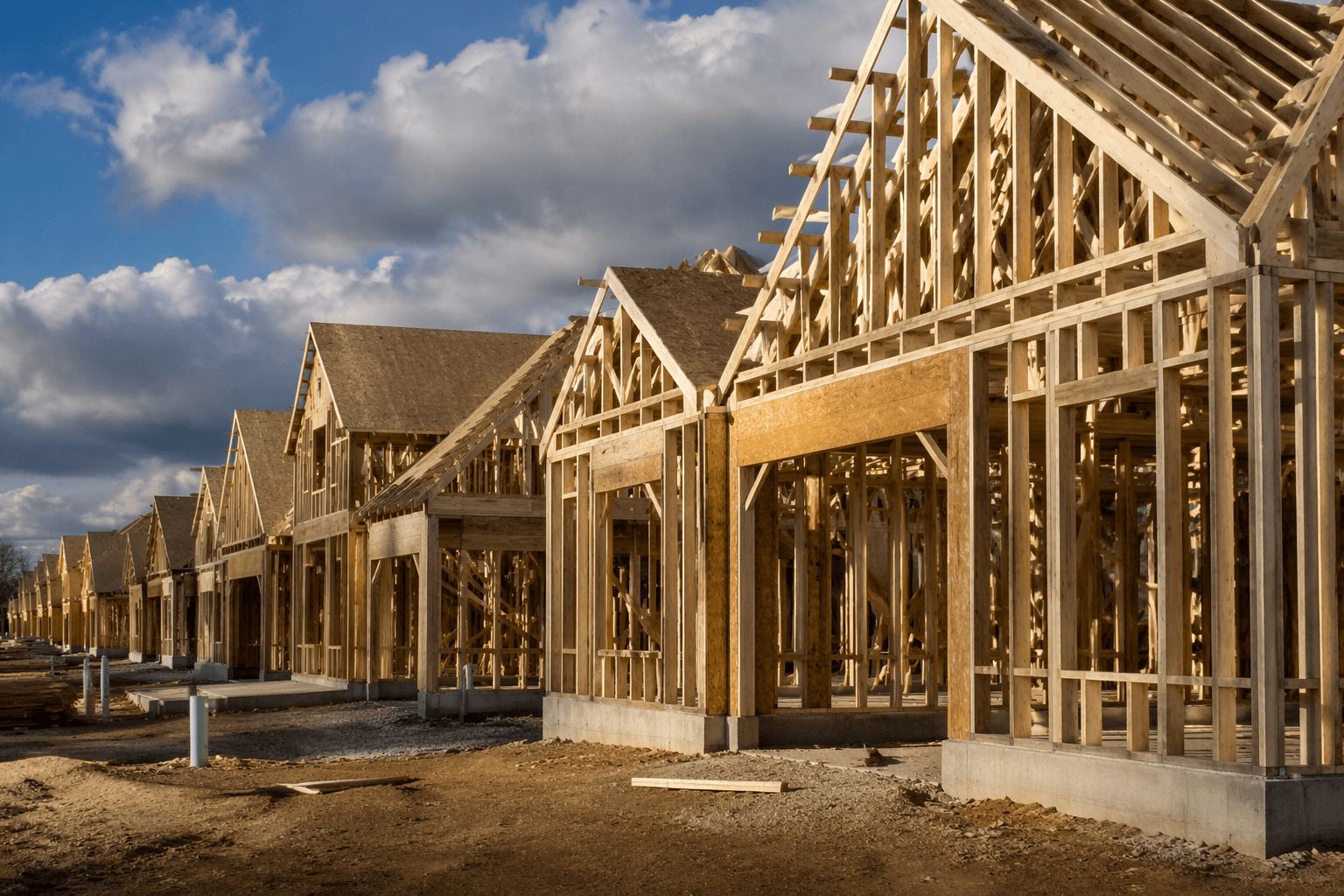
HUD’s earlier position was that the standards would deliver annual and lifetime savings while improving health, comfort and climate resilience. The reversal reflects a different reading of the housing market, where affordability has become the dominant concern. NAHB said the mandate would have added meaningful upfront cost, estimating a new single-family home could have carried an extra $9,600 to $21,400, with a long payback period for buyers.
The move also followed a legal setback. In March 2026, a federal district court in Texas vacated the HUD and USDA rule in a lawsuit brought by the National Association of Home Builders and 15 states. NAHB had previously pushed HUD to delay enforcement until Dec. 31, 2026. Bill Owens, the group’s chairman and a home builder and remodeler from Worthington, Ohio, called the rescission a major win for housing affordability.
For Home Depot, the practical question is not whether one federal action will suddenly change sales. It is how the economics ripple through projects. If builders face less code-driven cost pressure, more homes may pencil out, more starts may move forward and more orders may follow for the products that go into walls, windows, roofs and mechanical systems. If budgets tighten, builders are more likely to value-engineer materials, shrink house plans or slow starts, which pushes demand toward smaller purchases and renovation work instead.
That is why this policy matters on the floor as much as in Washington. Home Depot’s own 2026 Pro Forecast said single-family housing starts were expected to rise 3.1% in 2026 after a 4.3% decline in 2025, and its March housing outlook said building-material costs were up 3.5% year over year. The code rollback does not guarantee a surge, but it removes one more cost headwind in a market where every line item still gets scrutinized.
This article was produced by Prism’s automated news system from verified source data, official records, and press releases, then run through automated quality and moderation checks before publishing. The system is built and supervised by the people who set the standards it runs under. Read our full AI policy.
Did this article answer your question?