Latin American countries seek exemption from proposed U.S. tariffs
Mexico, Peru, Guatemala and Ecuador pressed for exemptions as USTR weighed duties on 60 economies, a fight that could lift costs on steel-based store staples.
Mexico, Peru, Guatemala and Ecuador used the U.S. Trade Representative’s hearings in Washington to press for exemptions from proposed tariffs tied to forced-labor concerns. Each country has laws and enforcement systems meant to stop forced labor in supply chains, and Mexico’s economy ministry made the issue a serious priority.
The public hearings ran July 7 through July 9 at the United States International Trade Commission in Washington, D.C., after the Section 301 docket opened June 2. Requests to appear were due June 22 and written comments were due July 6. USTR’s proposed responsive action covers 60 economies and would impose additional duties of 10% or 12.5%, depending on the country, along with a textile mechanism that could allow some apparel and textile imports to enter at a reduced Section 301 tariff rate.
The new duties replace the 10% temporary tariff imposed in February after the Supreme Court struck down President Donald Trump’s broad global tariffs under an emergency law, and those temporary duties are due to expire July 24. A group of 22 Democratic state attorneys general also objected, calling the forced-labor tariffs “an attempt to paper over predetermined sweeping tariffs.”
Mexico’s representative, Ernesto Acevedo Fernandez, said Mexico had made the fight against forced labor a serious priority and argued that the proposed 10% tariff would unjustly punish law-abiding Mexican companies. He also said there was no evidence of forced-labor imports entering the United States through Mexico. Peru’s Jose Luis Castillo Mezarina asked for Peru to be exempted, saying no concrete burden on U.S. commerce had been established and that the Section 301 evidentiary standard had not been met.
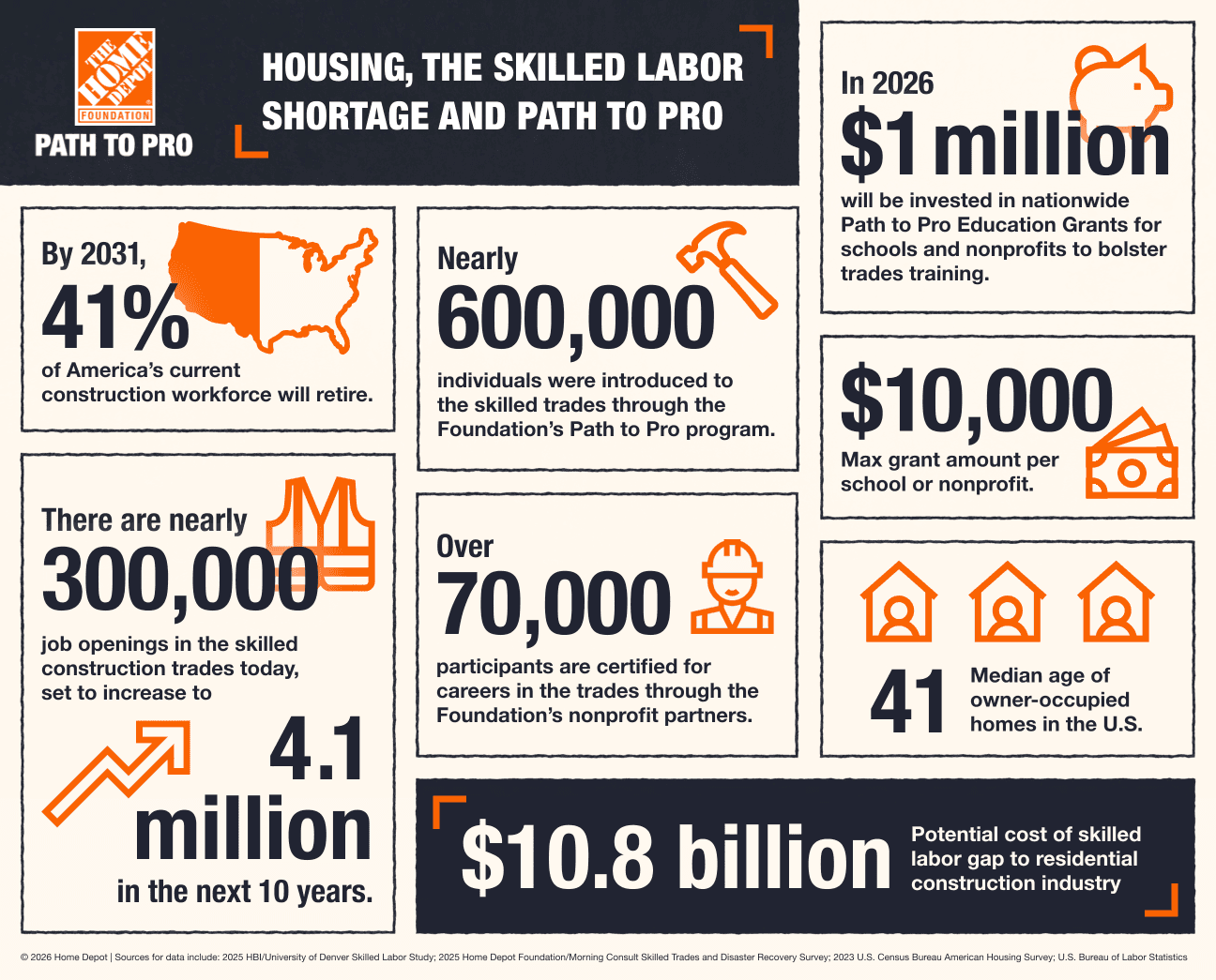
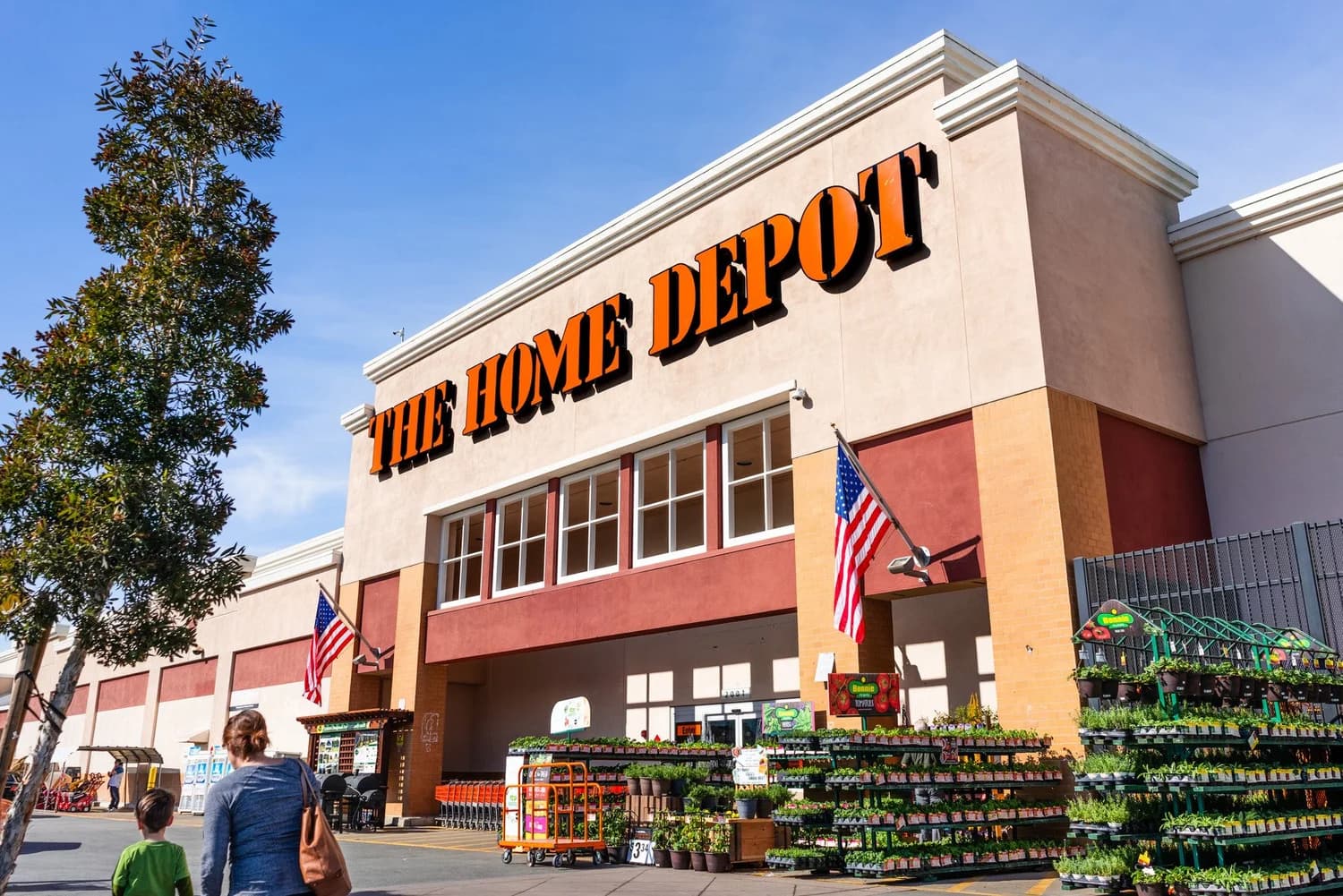
The Home Depot is the world’s largest home improvement retailer based on fiscal 2025 net sales and sells building materials, lawn and garden products, décor products and facilities MRO products. The National Association of Home Builders says tariffs on building materials can raise the cost of imported construction materials by billions of dollars, and those higher costs are often passed on to consumers.
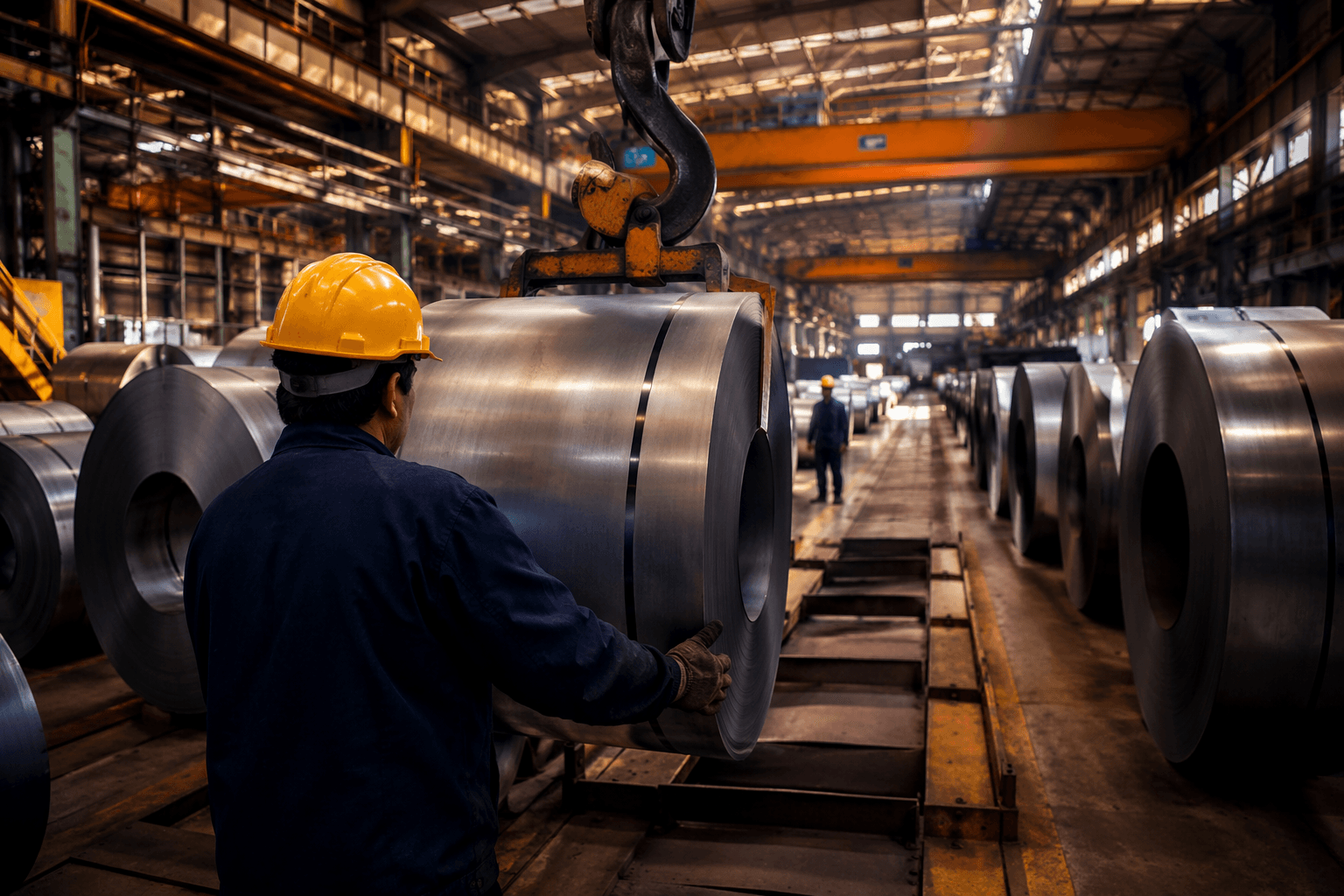
Stores can see price increases, supplier substitutions or slower movement on specific SKUs as customers wait out uncertainty. The broader 2026 trade backdrop also includes strengthened Section 232 tariffs on steel, aluminum and copper, which can reach derivative products as well.
This article was produced by Prism’s automated news system from verified source data, official records, and press releases, then run through automated quality and moderation checks before publishing. The system is built and supervised by the people who set the standards it runs under. Read our full AI policy.
Did this article answer your question?