Longtime Home Depot Night Ops ASM Warns Culture Slipping, Stores Understaffed
Longtime night ops ASM says Home Depot culture is slipping and stores are understaffed, raising concerns about morale and frontline workload.
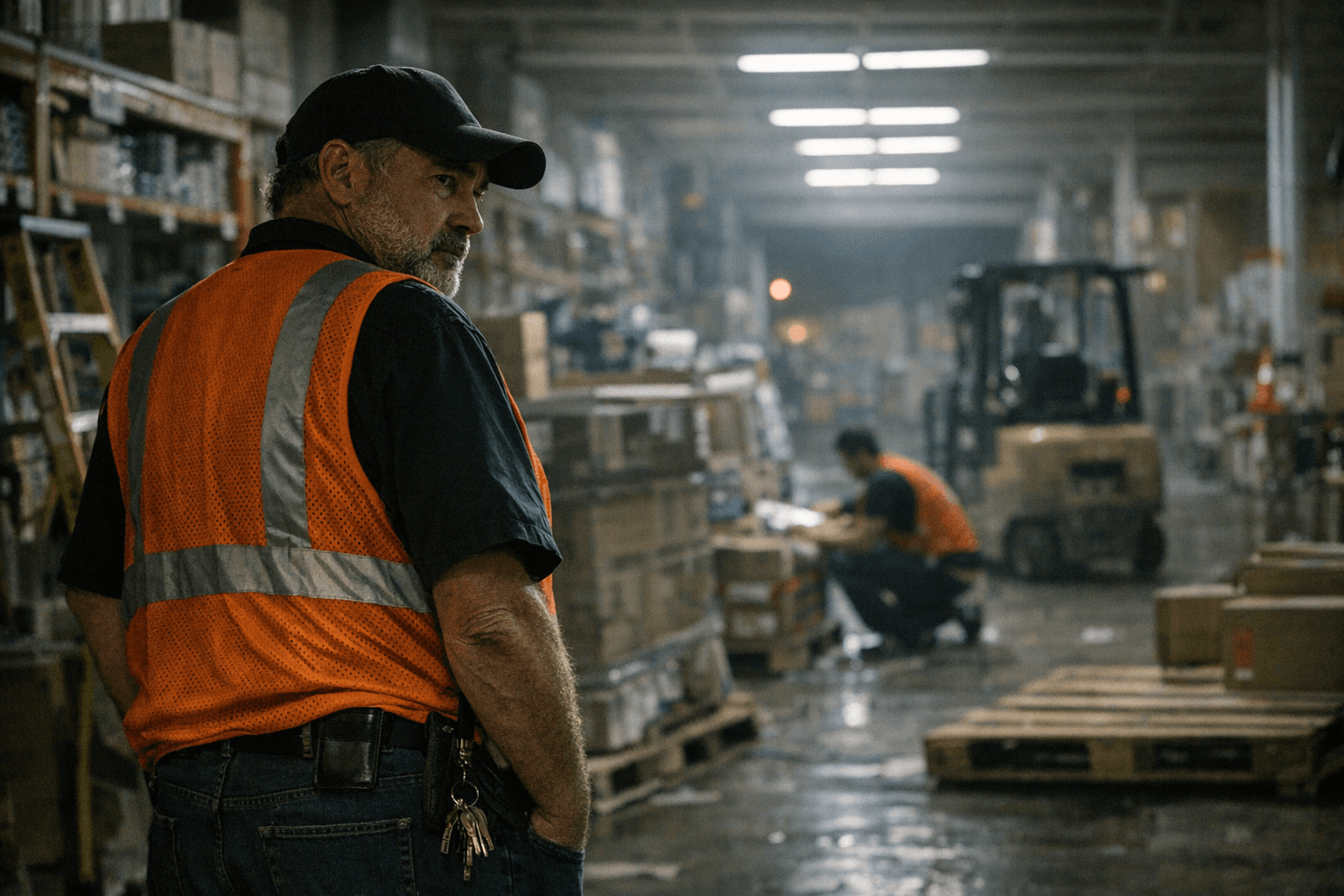
A longtime Home Depot night operations assistant store manager warned that store culture has eroded and understaffing is widespread, a signal that could affect frontline workload, retention, and customer service. The post, shared January 15, 2026, drew high engagement from current and former associates describing uneven support and rising turnover.
The poster began at age 18 in 2013 at the Kenai, Alaska store and described a different era when HR managers were based in-store and orientation included origin stories that reinforced a strong local culture. The ASM recounted Melissa leading orientation and an old training-room anecdote about a mounted tire and store 8938 that illustrated how culture made service-minded behavior believable. The post highlighted a guiding line from that period: "Take care of our associates, they take care of the customers, and everything else takes care of itself."
The original thread captured a range of frontline perspectives between January 15 and January 20. Multiple long-tenured associates posted between January 15 and January 17 saying culture is slipping compared with earlier years and pointing to higher turnover and fewer in-store supports as causes. Several contributors noted wide variation by location: some stores still maintain positive culture while others struggle with management, understaffing, and a "metric-first" focus that puts performance numbers ahead of day-to-day employee experience.
Commenters also detailed how staffing and morale issues translate into exits and scheduling friction. Between January 16 and January 20, a number of associates said morale and staffing cuts were prompting people to leave, while others reported mixed treatment on compensation and schedules - some received unexpected or off-cycle raises, while others said requests for schedule accommodations were denied. The night shift in particular was described as a team that often "gets forgotten or overlooked, especially when the lights and leadership eyes aren’t on the floor," a dynamic that supervisors and hourly associates say increases pressure on a smaller crew.
For workers, the post and responses point to immediate concerns: heavier workloads, inconsistent access to HR and managerial support, and uneven application of pay and scheduling policies. For store managers and corporate leaders, the thread functions as an early warning on employee sentiment that could translate into higher turnover and operational strain if unaddressed.
This discussion matters beyond one store or shift. Associates and managers should watch staffing levels, scheduling practices, and in-store supports closely, and corporate teams will likely be monitoring engagement and retention metrics in the coming weeks. The conversation on the floor is ongoing, and how leadership responds will shape whether long-tenured culture lines like "take care of our associates" regain traction or continue to fray.
This article was produced by Prism’s automated news system from verified source data, official records, and press releases, then run through automated quality and moderation checks before publishing. The system is built and supervised by the people who set the standards it runs under. Read our full AI policy.
Did this article answer your question?