NLRB Ruling Affirms Worker Expression, What Home Depot Employees Need
The National Labor Relations Board found that an employee who displayed BLM on an apron engaged in protected concerted activity, clarifying the scope of expression related to workplace complaints. The decision and the NLRB guidance pages matter to Home Depot associates and managers because they outline what kinds of discussion and collective action are protected under the National Labor Relations Act.
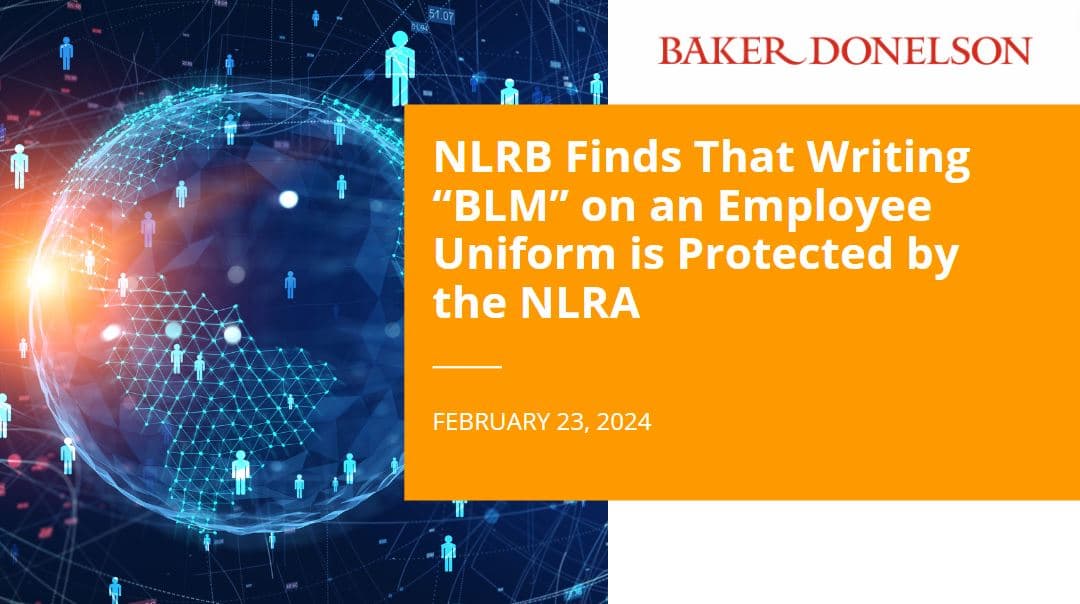
The National Labor Relations Board concluded that an employee action connected to a workplace protest, specifically displaying BLM on a work apron, qualified as protected concerted activity in the context of workplace complaints. That finding reinforces long standing legal protections for employees who discuss wages, hours, and working conditions or who engage in collective action to address workplace issues.
The NLRB maintains guidance pages that explain employee rights under the National Labor Relations Act and provide detail on what activity is protected. Those pages list common examples of protected conduct including discussing pay and scheduling, making group complaints, and other efforts to improve working conditions. The Board also issues news summaries of decisions that illustrate how the law applies in real world workplace disputes, and the apron ruling serves as a concrete example for both front line associates and store managers.
For Home Depot employees the ruling underscores that certain forms of expression and collective complaint are legally protected. Associates who raise concerns about staffing, safety, pay or other working conditions may be engaging in concerted activity that the law shields from employer retaliation. For managers and supervisors the decision makes clear that discipline for expression tied to workplace complaints can trigger unfair labor practice allegations. That creates potential legal exposure for employers who treat such activity as grounds for discipline without careful review.

Beyond the decision itself the NLRB provides practical materials intended to help workers understand their rights. Those resources include multilingual Know Your Rights materials, employee rights posters suitable for workplace posting, fact sheets that summarize protections, and step by step guidance for filing charges or seeking remedies when employees believe their rights have been violated. The availability of these materials increases the likelihood that workers will know how to document concerns and pursue remedies if necessary.
The ruling and the agency materials also affect workplace dynamics. Employers will need to balance operational needs with the legal protections afforded to employees who speak up collectively. That often means training supervisors on how to recognize protected activity, reviewing discipline policies to ensure compliance with labor law, and consulting human resources or legal counsel before taking adverse action in response to employee expression. For associates, the decision reinforces that raising workplace issues collectively is not only common but in many cases protected under federal law.
This article was produced by Prism’s automated news system from verified source data, official records, and press releases, then run through automated quality and moderation checks before publishing. The system is built and supervised by the people who set the standards it runs under. Read our full AI policy.
Did this article answer your question?