OSHA warns Home Depot teams on forklift and cleanup safety
OSHA’s July 9 update flagged a Houston cleanup case with more than $3.5 million in proposed fines, a reminder for Home Depot teams to reset forklift and receiving routines.
OSHA’s July 9 QuickTakes put a Houston cleanup case back in front of warehouse and store teams: federal inspectors said three employers exposed workers to hazardous chemical waste without training or properly fitted respirators after a sulfuric acid spill, and the proposed fines topped $3.5 million. The case involved post-emergency response cleanup at the BWC Terminals industrial facility in Channelview, Texas, a setting that looks far removed from a store floor but echoes the same risks that show up in receiving, stockrooms, and back-of-house cleanup.
For Home Depot associates and department leaders, the lesson is practical. OSHA says warehousing and storage work carries hazards tied to powered industrial trucks, ergonomics, material handling, slip and trip risks, and robotics. In a retail operation that moves pallets, handles freight, clears spills, and tightens up around seasonal surges, those hazards can stack up fast when a shortcut becomes routine or when a new hire is asked to fill in without enough coaching.
Forklift safety is one place where the agency’s guidance gets specific. OSHA says powered industrial trucks are used to move, raise, lower, or remove loads, and that hazards vary by vehicle type and workplace. That is why generic training is not enough. The standard requires formal instruction, practical training, and a workplace evaluation before an operator is allowed to work the truck, and employers must evaluate performance before workplace operation begins.
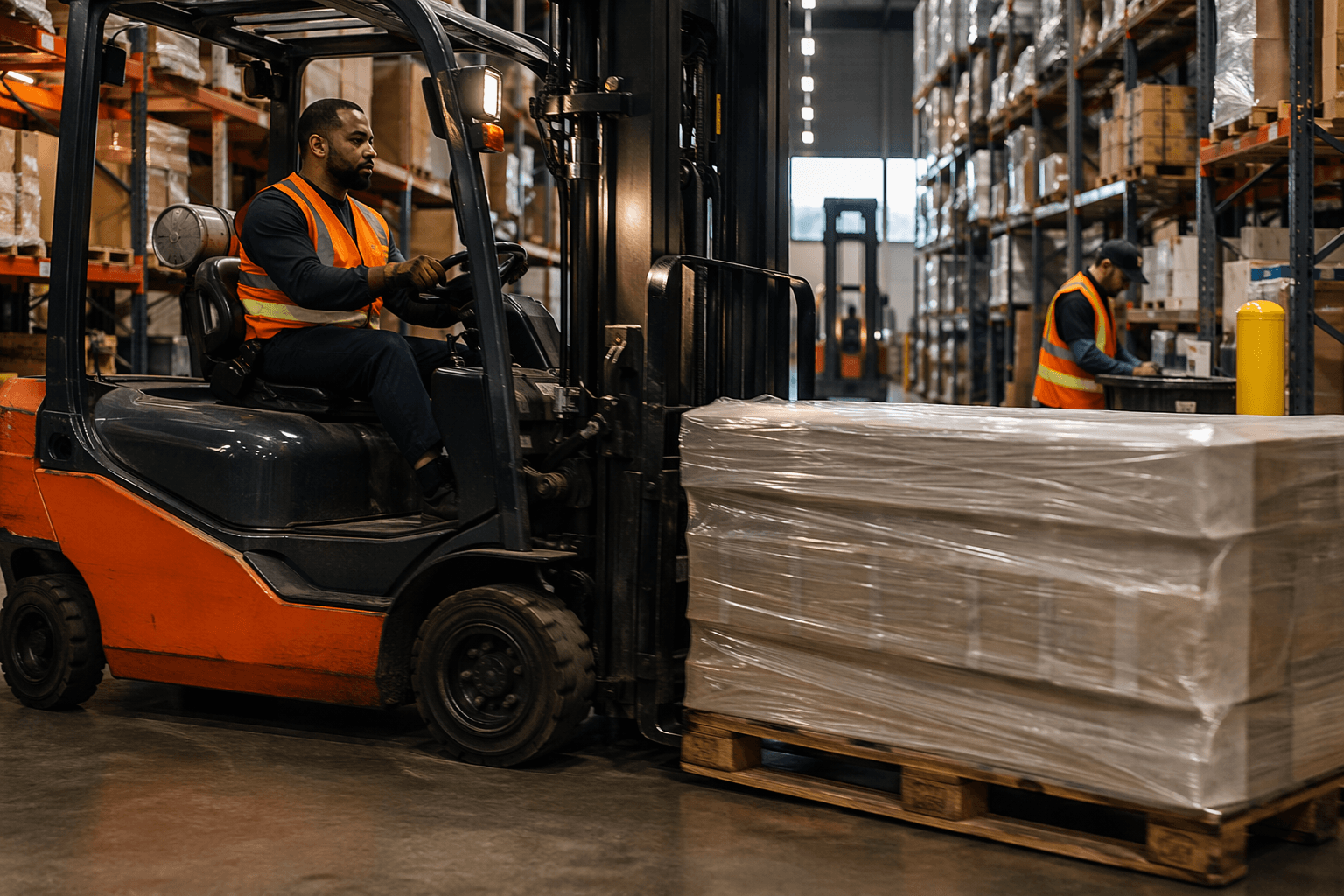
OSHA also says refresher training is required when an operator is observed driving unsafely, is involved in an accident or near-miss, is assigned a different truck, or is moved into a job with different workplace conditions. The agency’s forklift materials also point to pre-operation inspections and load-handling instruction, the kind of basics that can slip when freight is heavy and the dock is behind schedule.
The same reset applies to cleanup work. OSHA’s HAZWOPER standards are built for hazardous-waste and emergency-response operations, and the agency says they are intended to prevent and minimize acute and chronic health effects from exposure. That matters in any receiving area where chemical damage, leaks, or spill response can pull associates into a task that looks simple until the wrong material, the wrong respirator, or the wrong assumption turns it into an exposure event.

OSHA paired the enforcement case with another message for employers: prevention still gets paid. The agency announced $12.7 million in Susan Harwood Training Grants on July 1, with applications due Friday, July 31, 2026, at 11:59 PM EDT. For store managers, the timing is a reminder to use the month to tighten training, refresh spill-response expectations, and make sure only qualified associates are moving equipment or cleaning up hazards in the backroom.
This article was produced by Prism’s automated news system from verified source data, official records, and press releases, then run through automated quality and moderation checks before publishing. The system is built and supervised by the people who set the standards it runs under. Read our full AI policy.
Did this article answer your question?