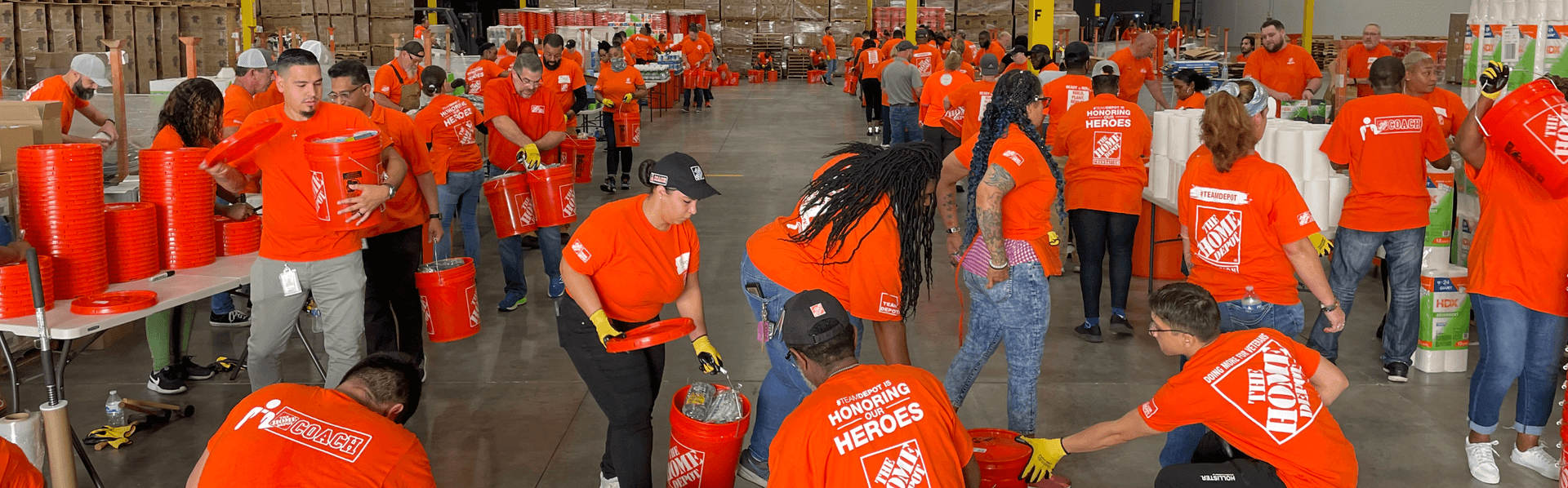
Rising gas prices reshape Home Depot traffic, contractor orders and staffing
Higher gas prices can pull traffic closer to home, squeeze pro margins, and raise the bar on order accuracy, delivery speed, and staffing flexibility.
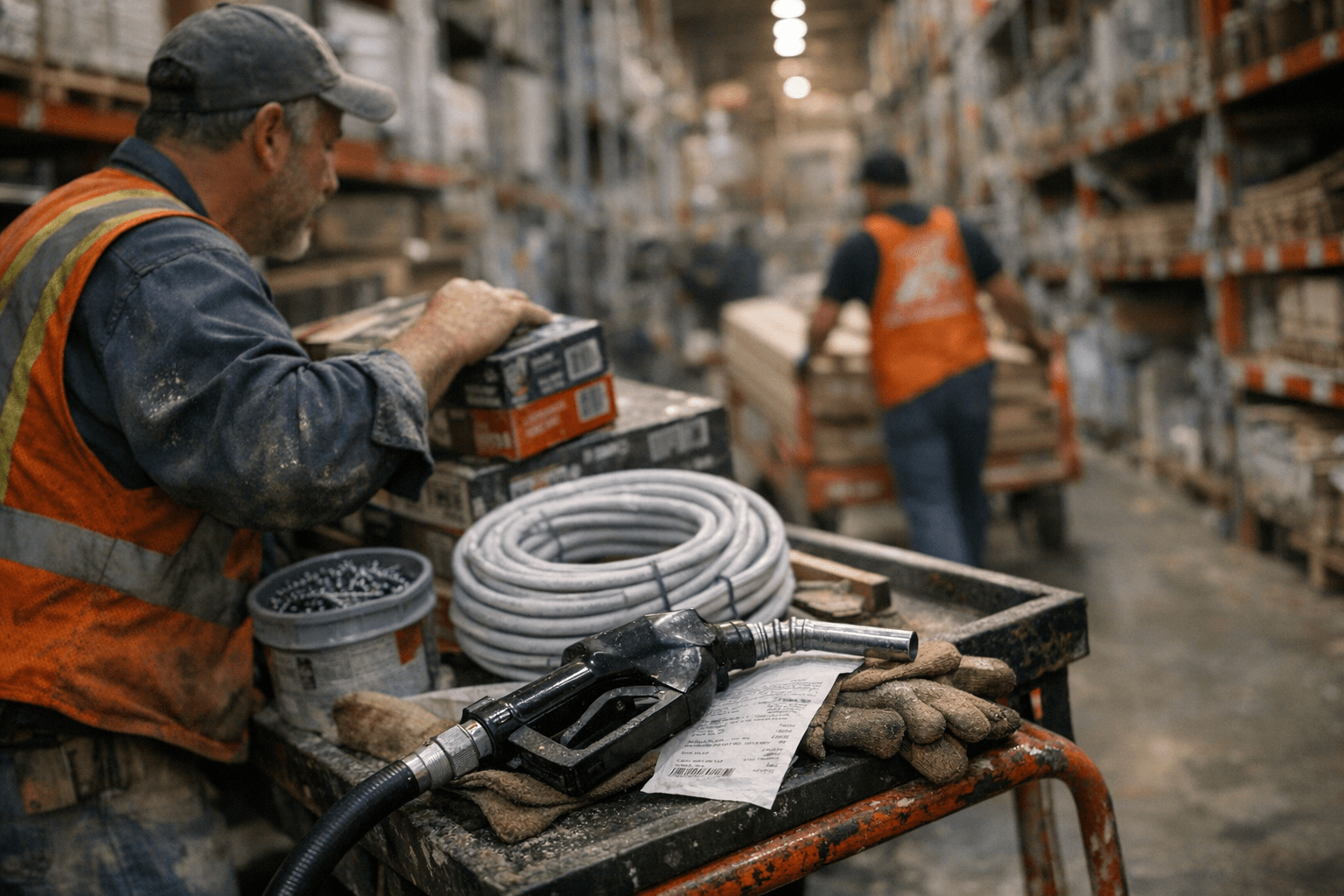
When gas gets expensive, the first change Home Depot teams feel is not at the pump. It is the customer who decides to make one trip instead of two, skip a discretionary run, or stick with the closest store rather than drive across town.
Traffic moves closer to home
Rising fuel costs change how shoppers plan a project day. A customer who might have browsed one store, compared options at another, and come back later is more likely to cluster errands, buy more in one visit, and ask sharper questions before leaving the aisle. That puts pressure on the front end, the pickup desk, and the departments that field last-minute checks on stock, size, and compatibility.
For store teams, the first clue is often not fewer customers overall. It is a different mix of customers. Optional visits tend to soften first, while mission-driven trips become more focused and less forgiving. If someone is already spending more to get to the store, they want the load to be right, the product to be there, and the second trip to be unnecessary.
That shift matters on the floor. Associates may hear more detailed questions about whether a product is available now, whether it fits in a car or truck bed, and whether there is a same-day substitute. The customer who would normally browse a second location may now want a straight answer in one stop.
Pro customers feel fuel costs in their quotes
Contractors and other pro customers are often the fastest to react because fuel shows up directly in operating costs. A truck, van, or service vehicle that costs more to run affects not just profit, but also how a pro schedules pickups, when they want materials staged, and how they build project quotes.
That is why gas-price pressure becomes a service issue. A contractor facing higher operating costs is less likely to make unnecessary trips and more likely to expect a clean, complete order the first time. If the order is short, mislabeled, or not staged when promised, the cost is not just inconvenience. It can turn into wasted fuel, lost time, and a damaged customer relationship.
For associates working with pro customers, the practical lesson is simple: speed matters, but accuracy matters more. Clean picks, complete staging, and clear communication become part of the value proposition. The better the order is handled on the first pass, the less likely the customer is to treat the store as one more stop they cannot afford to repeat.
What pro teams notice first
- Fewer “I’ll swing back later” conversations
- More pressure to get materials together in one pickup
- Stronger demand for complete staging and verified quantities
- More questions about whether delivery is cheaper than another truck run
That is especially true when the fuel market is squeezing smaller operations. A contractor does not need a full economic lecture to feel the change. They feel it every time a second trip eats into the job margin.
Delivery economics get tighter
Fuel prices also reshape the delivery side of the business. The cost of moving product is not abstract when routes get longer, stops are more spread out, or customers expect faster windows. Higher fuel costs can make delivery planning less forgiving, especially when volume rises and routing efficiency matters more.
That creates a chain reaction inside the store. If delivery becomes more expensive or less flexible, some customers push harder to pick up orders themselves. Others lean the other way and ask for delivery sooner so they can avoid adding another truck trip to the job. Either way, the store sees more urgency around the first available day and less patience for delays.
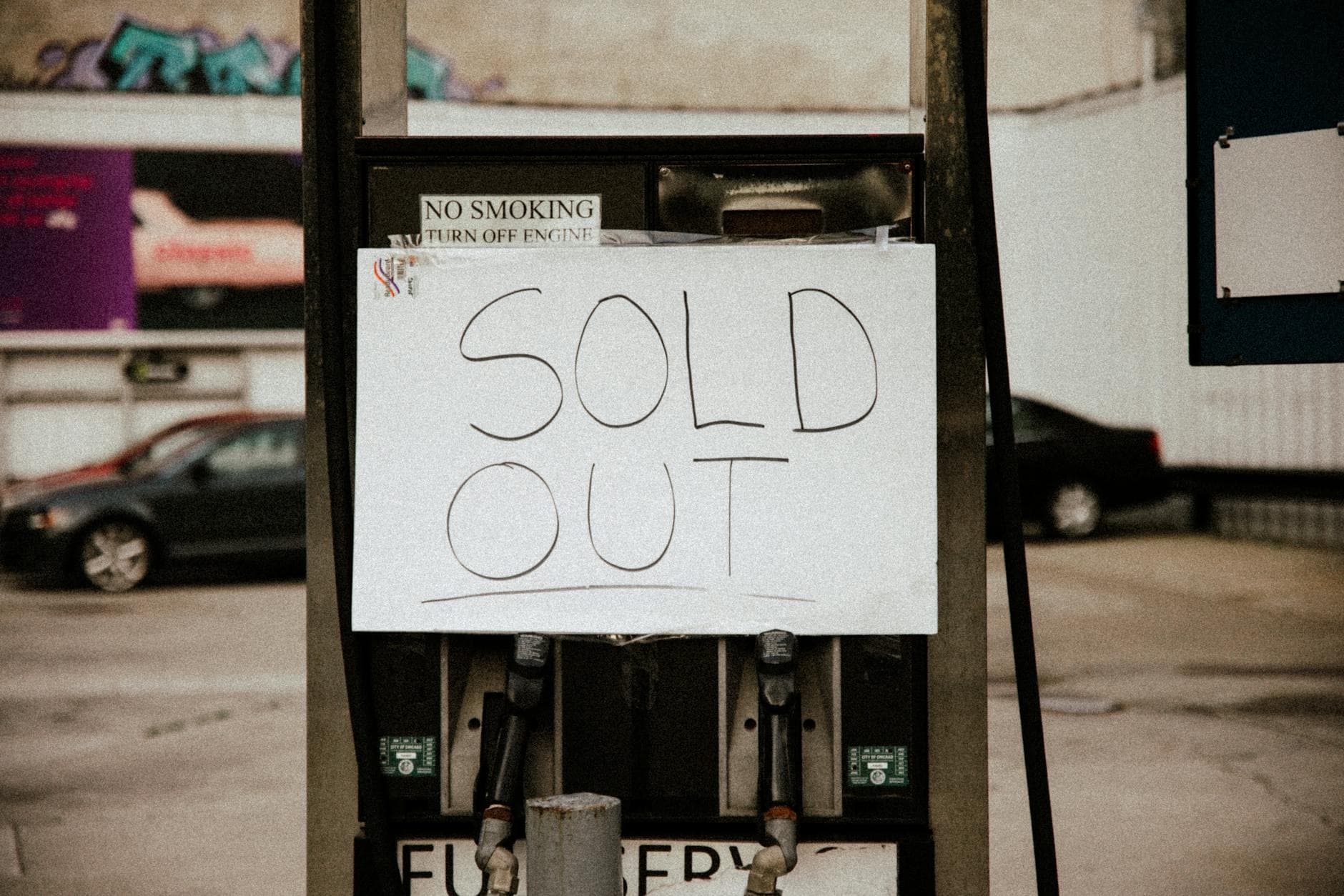
For teams staging deliveries, this is where accuracy becomes visible money. The cleaner the order, the fewer reroutes, missed items, and last-minute fixes. A fuel-sensitive customer is far less tolerant of a missing piece that forces a second stop. In practical terms, that means better handoffs between the sales floor, the pro desk, staging, and delivery scheduling.
Weather can magnify the pressure
When fuel prices rise at the same time bad weather moves in, the impact on home-project buying gets sharper. Customers often accelerate emergency and repair purchases because they want to avoid multiple trips in poor conditions and because the cost of waiting can be higher than the cost of buying now.
That is when demand can jump for generators, batteries, tarps, sump pumps, and cleanup products. These are not leisurely purchases. They are urgency purchases, often made by people trying to protect a home, finish a repair, or get through the next storm without another store run.
For store leaders, that combination changes how the floor feels. The front end sees more mission-driven traffic. Seasonal aisles get hit harder. Associates get more questions about availability, compatibility, and what can leave the store immediately. In those moments, being out of stock on the wrong item is not a minor miss. It becomes a customer service failure with real consequence.
Associates feel it in the commute too
The workforce side of gas prices is easy to overlook because it does not show up in a sales report. But it matters. Higher fuel costs can make commuting more burdensome, especially in markets where associates travel longer distances to get to work.
That can affect attendance, scheduling preferences, and interest in extra shifts. If the commute costs more, some associates are less flexible about coming in on short notice or taking work that adds a second trip across town. Store leaders need to understand that fuel costs are not just a customer issue. They can change how the workforce itself moves.
This is where good management matters. Scheduling that respects commute burdens can help keep coverage steadier, especially when stores are already dealing with seasonal traffic spikes. If leaders assume commute costs do not matter, they may misread why shift pickup softens or why attendance becomes harder to predict in certain markets.
What leaders should watch now
The real operational takeaway is that fuel costs do not live in one lane. They affect traffic patterns, contractor behavior, delivery economics, and associate availability at the same time. Store teams that notice the pattern early can respond with better staging, clearer communication, and sharper inventory planning.
The first signs are usually plain enough if you know where to look: fewer discretionary visits, more consolidated purchases, tighter delivery expectations, and more pressure on the pro desk to get it right the first time. Add bad weather, and the urgency rises again.
For Home Depot, that is the whole chain reaction. Gas prices change how far people will drive, how contractors price work, how deliveries are valued, and how easily associates get to the store. The stores that adapt fastest will not just protect sales. They will make the trip feel worth the fuel.
This article was produced by Prism’s automated news system from verified source data, official records, and press releases, then run through automated quality and moderation checks before publishing. The system is built and supervised by the people who set the standards it runs under. Read our full AI policy.
Did this article answer your question?