Seventh Circuit Finds Home Depot May Be Liable For Off-Duty Supervisor Murder
Seventh Circuit finds Home Depot may be liable for an off-duty supervisor's murder of a subordinate, underscoring employer duties to address known risks to employees.
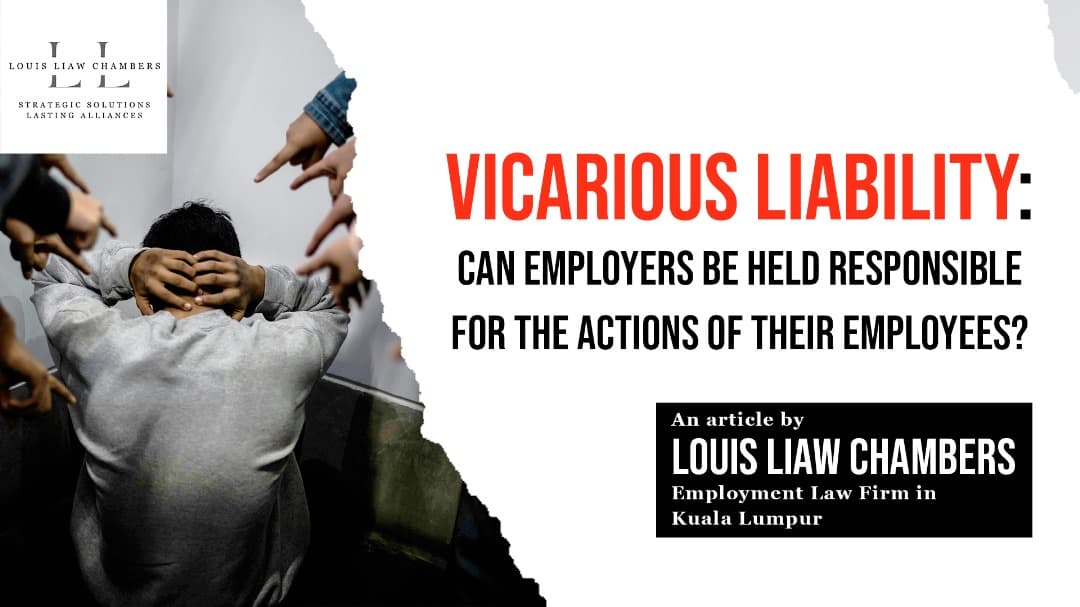
A federal appeals court held that Home Depot USA could face vicarious liability after an off-duty supervisor murdered a subordinate, ruling that an employer can be responsible when a supervisor abuses authority the employer granted and the harm was foreseeable. The case, Anicich v. Home Depot USA, et al., centers on whether supervisory power - such as the ability to fire, discipline, or change hours - can make off-premises intentional torts attributable to the employer.
The Seventh Circuit panel said employer attribution turns on foreseeability and misuse of supervisory authority. The court focused on whether the employer knew or reasonably should have known that the supervisor posed a risk because of a history of harassment or violent tendencies, and whether the supervisor exploited company-granted powers to carry out the harm. The decision identifies background checks, monitoring, and follow-up on mandated corrective steps - for example, court-ordered anger management - as key employer duties. Failure to investigate repeated reports of threats or harassment or to document remedial actions can be evidence of liability.

For Home Depot associates and other retail workers, the ruling has immediate implications for store-level dynamics. Many retailers place considerable discretion in assistant store managers and supervisors - scheduling, discipline, and hiring decisions - and the court recognized that that discretion can convert an off-duty act into a risk tied to the workplace. Human resources teams, loss prevention, and store managers should expect scrutiny over how they screen candidates for supervisory roles, how they respond to threats and harassment complaints, and how they document corrective measures.
The decision also reshapes how employers assess workplace safety and legal exposure. Robust pre-employment screening for supervisors, timely follow-up on reports of violent or harassing conduct, mandated documentation of investigations, and monitoring of court-ordered treatments were all highlighted as practical steps that can reduce risk. The court noted that simply delegating authority without ongoing oversight is insufficient when red flags appear.
For hourly associates, the ruling may change internal practices without changing day-to-day duties. Companies may increase training, impose stricter oversight of supervisors, and centralize certain disciplinary powers to reduce the chance that a single supervisor can take unilateral actions that escalate risk. Workers should expect clearer reporting lines and possibly expanded roles for HR and regional managers in cases involving credible threats.
The Seventh Circuit ruling in Anicich v. Home Depot USA elevates foreseeability and supervisory misuse as central factors in employer liability for off-duty violence. Employers with large hourly and supervisory workforces will likely reassess screening, supervision, and documentation practices. For employees, the decision promises greater legal accountability for employers that ignore known dangers and a stronger case for demanding protective measures when supervisors cross the line.
Know something we missed? Have a correction or additional information?
Submit a Tip