TCPA Suit Against Home Depot Highlights Consent, Vendor Oversight, Class-Action Exposure
A TCPA lawsuit filed Jan 15 accuses Home Depot or its vendors of making automated calls and texts without consent, raising class-action exposure and vendor oversight concerns for workers.
A consumer filed a Telephone Consumer Protection Act (TCPA) lawsuit on Jan 15 alleging Home Depot, or vendors acting for the retailer, placed automated or prerecorded calls and sent texts without proper consent. The claim spotlights the regulatory and litigation risks large retailers face when running outbound contact programs and puts vendor oversight and consent-record keeping under a microscope.
The complaint accuses Home Depot-related operations of failing to obtain or document consumer consent before initiating automated outreach. While the case is in its early stages, plaintiffs often pursue TCPA claims as class actions, increasing potential liability and management distraction. Legal analysts say these suits can impose significant defense costs and settlement pressure even before courts rule on liability.
For employees, the suit has immediate operational implications. Customer service teams, outbound call centers, marketing departments, and vendor-management personnel are likely to see changes to scripts, dialing practices, and data workflows as the company tightens controls. Associates who handle dialing platforms or oversee third-party call vendors may face new documentation requirements, monitoring protocols, and compliance training. Stores and frontline staff who rely on customer contact for service appointments or delivery windows could encounter revised procedures that affect scheduling and follow-up.
The case also exposes a common compliance fault line for retail employers: overreliance on vendors without robust oversight. TCPA risk frequently arises when vendors deploy automated dialing or prerecorded messages using client-provided lists. Without clear contracts, audit rights, and routine verification of consent records, companies can inherit liability from vendor actions. Maintaining detailed consent records - when, how, and with what permissions customers agreed to be contacted - is central to defending these claims.

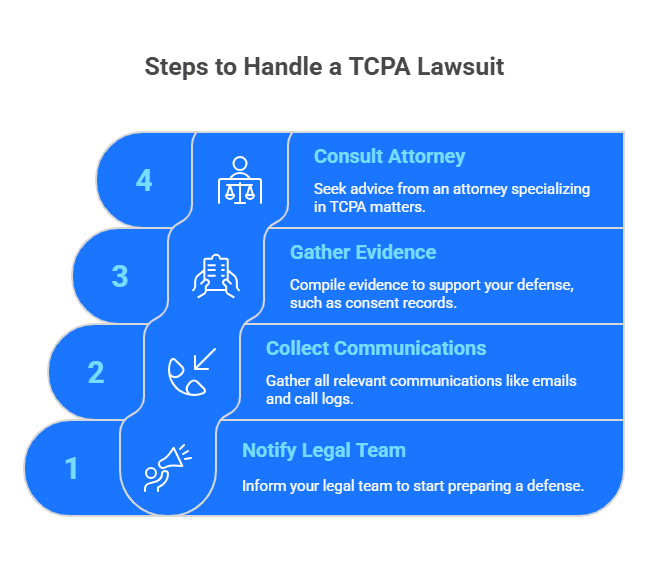
Companies facing similar exposure are advised to treat TCPA compliance as a proactive, enterprise-wide program rather than an afterthought. Practical steps include tightening vendor contracts to require compliance certifications and audit access, instituting periodic audits of dialing practices and consent logs, revising customer-facing opt-in language for clarity, and training staff who manage outbound campaigns. Legal teams should be integrated into campaign planning to assess exposure before large-scale outreach.
For Home Depot employees and managers, the near-term impact will likely be administrative: more oversight of third-party vendors, updated dialing policies, and added documentation duties. Over the medium term, broader changes could follow if the case leads to settlement or court rulings that require industrywide remediation.
The suit underscores a growing trend: as retailers expand automated customer outreach, TCPA enforcement and class-action plaintiffs are focusing on consent gaps and vendor controls. Companies that shore up recordkeeping and vendor governance now can reduce operational disruption and legal risk down the line.
This article was produced by Prism’s automated news system from verified source data, official records, and press releases, then run through automated quality and moderation checks before publishing. The system is built and supervised by the people who set the standards it runs under. Read our full AI policy.
Did this article answer your question?