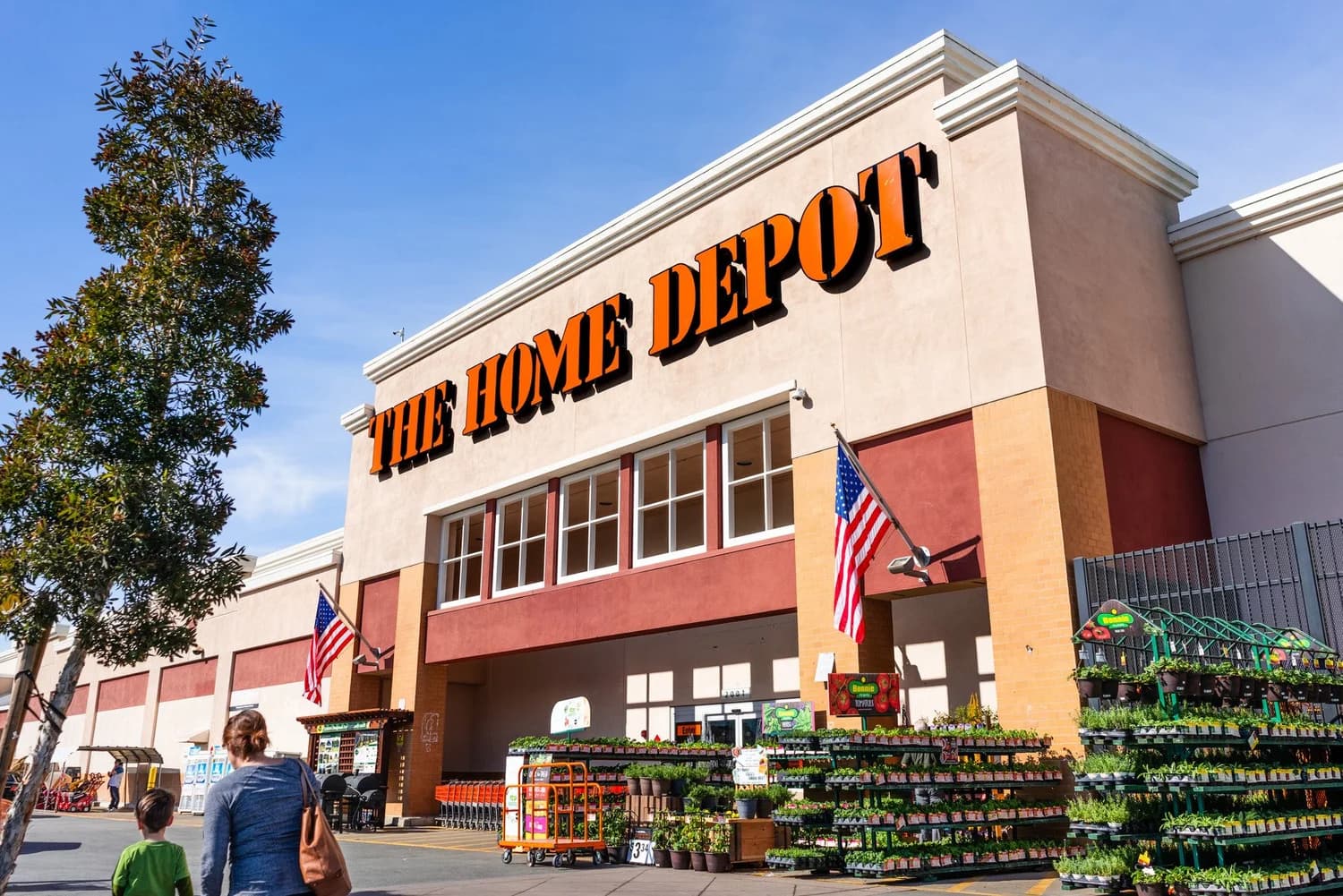
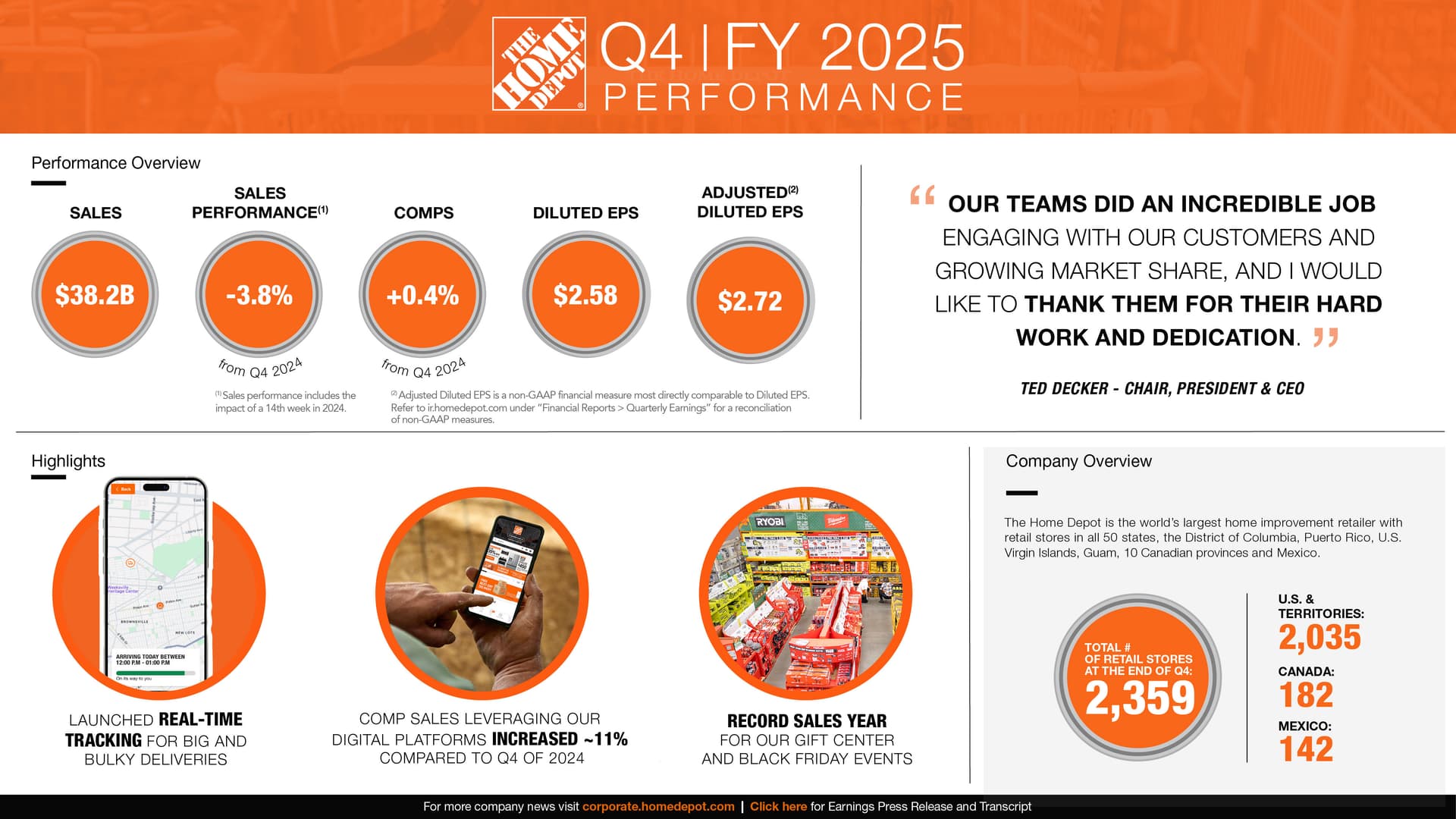
Trump trade action on forced labor could ripple through Home Depot supply chain
A new forced-labor trade push could slow imports, trigger substitutions and lift costs in Home Depot aisles from power tools to décor, with associates likely seeing the first changes at shelf level.
When Washington tightens forced-labor rules, the first signs at Home Depot are usually not on a policy chart. They show up as a late pallet, a SKU change, a missing finish on a best-selling item, or a customer asking why the same product suddenly costs more. On July 21, 2026, U.S. Trade Representative Jamieson Greer said the Trump administration was preparing to unveil a new trade action tied to forced-labor concerns, and that kind of move can move fast from customs paperwork to the sales floor.
What the new action could do to store flow
The practical risk for associates is disruption, not just headlines. On June 3, 2026, the United States proposed additional tariffs on imports from 60 economies over forced-labor concerns, and the Office of the United States Trade Representative’s June 2 report tied to Section 301 forced-labor investigations floated ad valorem duties of 10% to 12.5%. In retail terms, that means vendors may need to re-document supply chains, freight may sit longer while shipments are reviewed, and the cost of getting a product to the shelf can change before anyone on the floor knows the rulemaking details.
Trade actions often hit long before the customer sees a formal announcement in the aisle, because suppliers and logistics partners have to react first. If a line gets caught in new forced-labor scrutiny, Home Depot teams could see backorders, revised delivery windows, or a product that arrives with a different country of origin or a different component mix than the one the bay was set for last month.
Which Home Depot categories are most exposed
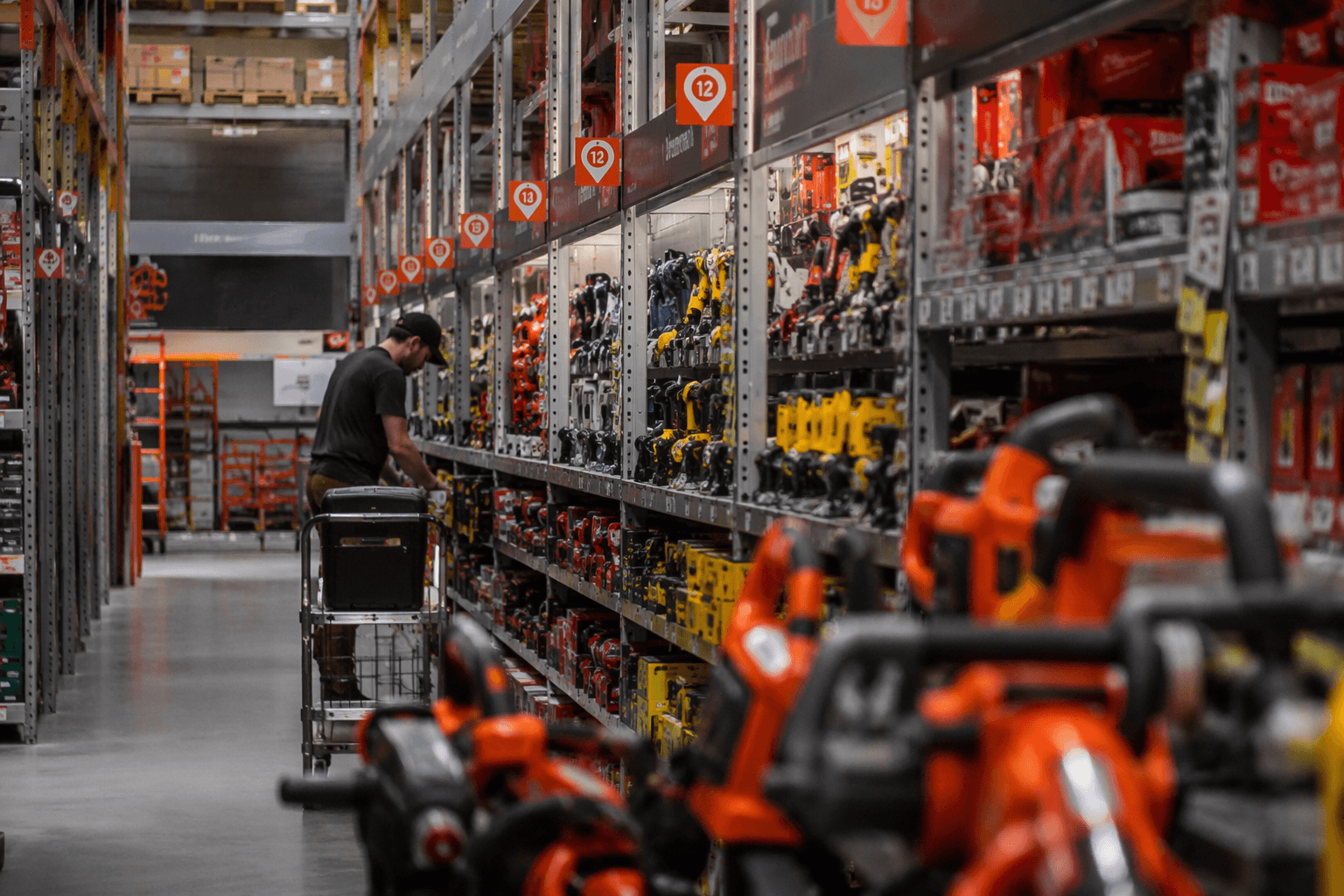
The categories most likely to feel this are the ones with deep global sourcing ties and thin room for delay. Power tools, lighting, imported décor, storage products, and other seasonal or specialty items are especially vulnerable because they depend on complex supplier networks and often move in heavy volume. If one imported component gets flagged, the whole item can miss a reset, even if the rest of the order is ready to go.
Associates may notice the issue in ordinary store work before they hear any trade jargon. New SKU numbers can appear when a supplier swaps factories or countries. Packaging can change when a vendor adjusts components to stay compliant. Customers may also see a gap between a display model and the stocked product if a replacement item is coming from a different source or in a different pack size.
For department leads, the key pressure point is the customer conversation. Pro customers shopping for a deck, a lighting job, or a renovation do not care about Section 301. They care about whether the item they spec’d is in stock, whether the substitute matches the job, and whether the associate can explain the difference without guessing.
Why price pressure can surface quickly
Home Depot already has a playbook for tariff stress. On May 20, 2025, the company said it would keep prices steady but acknowledged that tariffs may affect costs. That same day, Home Depot was diversifying sourcing countries to avoid tariff-induced price hikes. The company was trying to absorb some cost pressure while moving sourcing around when trade policy made one route too expensive.
The problem is that sourcing shifts are not instant. On May 16, 2024, as U.S. tariffs on China rose, imports increased from China-reliant Vietnam. On July 3, 2025, U.S.-Vietnam tariff issues were affecting China and broader global supply-chain patterns. For a retailer like Home Depot, that means a tariff on one origin can push vendors to another, but the reroute can create its own bottlenecks, lead times, and price changes before the shelf ever stabilizes.
What associates and managers are likely to notice first
The earliest signs will probably look small on paper and big in the aisle:
- Longer lead times on fast-moving seasonal and specialty goods
- More substitution questions in pro-heavy departments
- Packaging changes or new country-of-origin labels on familiar items
- Temporary gaps when a vendor pauses shipments to rework compliance documents
- Margin pressure that shows up as wholesale increases, then retail price changes
Store managers should expect the strongest effects in categories where customers compare products closely and need the right item the first time. That is especially true in seasonal aisles, where demand spikes leave little room to wait for a delayed container, and in pro-oriented departments where contractors often need continuity across multiple trips. A held shipment on a needed tool or accessory can turn into a lost sale fast.
Why Greer’s signal matters now
Greer was tapped by Trump as U.S. trade representative in November 2024, and he is now the public face of a trade posture that has already widened. On March 11 and March 13, 2026, the United States launched and then opened unfair-trade probes into 60 economies and countries over alleged failures to tackle forced labor in supply chains. On April 28, 2026, some groups were asking the U.S. trade agency for new duties and import bans to fight forced labor.
This article was produced by Prism’s automated news system from verified source data, official records, and press releases, then run through automated quality and moderation checks before publishing. The system is built and supervised by the people who set the standards it runs under. Read our full AI policy.
Did this article answer your question?