Unions, clergy and community call statewide slowdown; Home Depot boycott surfaces
Unions, clergy and community groups called a statewide slowdown in Minnesota after intensified immigration enforcement, causing closures and a Home Depot boycott alert.

A broad coalition of labor unions, clergy and community groups mobilized a statewide economic slowdown in Minnesota after intensified immigration enforcement operations followed the Jan. 7 death of Renee Good. Organizers urged people to stay home from work and school and to avoid shopping, a call that spurred closures and disruption across the Twin Cities region and drew echoes from allied coalitions outside the state.
More than 100 organizations coordinated the action, pressing for the withdrawal of aggressive federal enforcement and using a mix of economic pressure and public demonstration to spotlight enforcement tactics. The slowdown translated into lower foot traffic at retail locations, shortened hours for some community services, and a wave of cancellations and call-outs that affected employers from small storefronts to large chains.
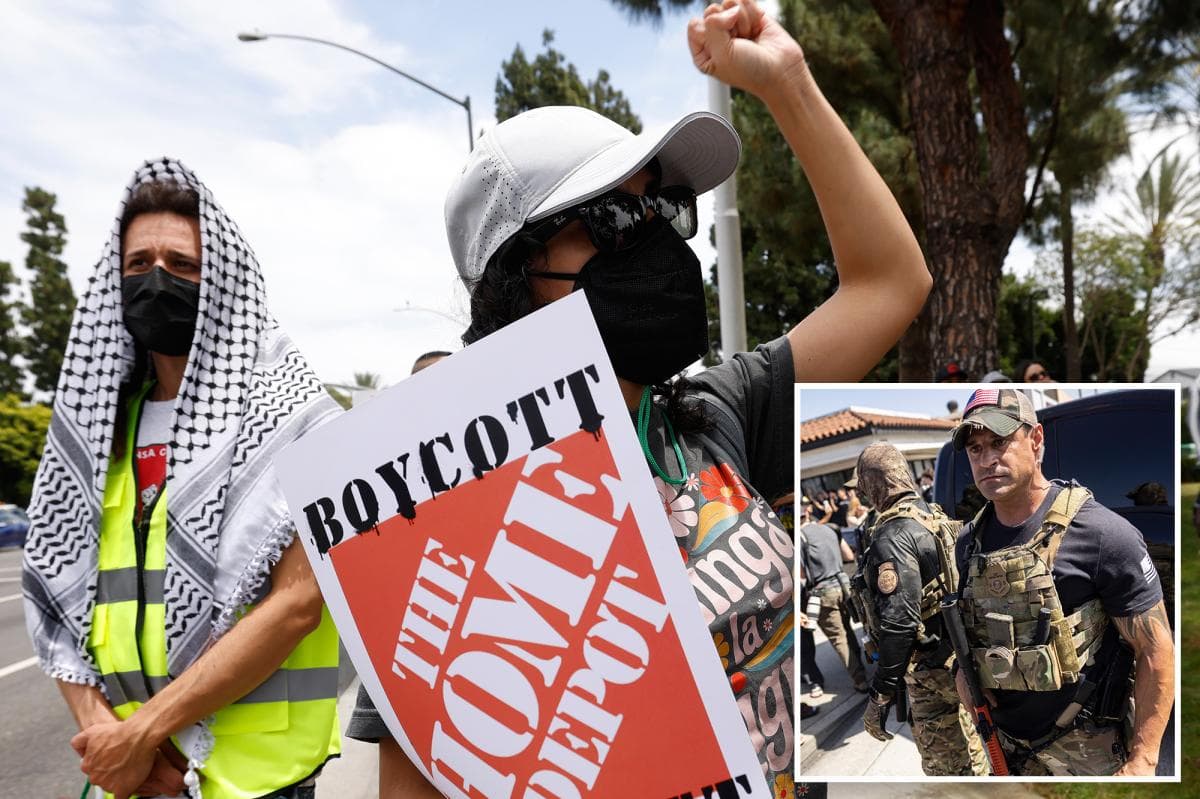
Home Depot surfaced in the broader labor and advocacy mobilization when a SEIU Los Angeles advisory named an IDEPSCA Boycott Home Depot representative, signaling that local labor and immigrant advocacy coalitions outside Minnesota were connecting to the statewide calls. For Home Depot employees, the appearance of a targeted boycott introduces new workplace dynamics: sales associates and cashiers may face quieter shifts or sudden surges if stores become focal points for protests, while store managers must balance customer service, safety and scheduling amid uncertain demand.
Hourly employees who rely on regular store hours and steady traffic could see immediate effects on pay and hours. Reduced in-store sales often increase reliance on online order fulfillment and curbside pickup, shifting labor from registers to fulfillment zones and delivery preparation. That can mean different skill demands and schedule changes for floor associates and backroom staff. Loss prevention and management teams typically shoulder additional responsibilities during regional actions, including coordinating with local law enforcement and adjusting store security protocols.
The coordinated slowdown also highlights how national labor networks and local advocacy groups are increasingly linking immigration enforcement concerns with workplace and consumer pressure tactics. The SEIU advisory naming an IDEPSCA representative illustrates how campaigns can cross state lines and place national brands like Home Depot in the crosshairs of localized political actions.
For Home Depot employees and managers, the immediate next steps are practical: watch for company communications on scheduling and safety, document unexpected hour reductions, and consider contacting local union representatives or worker advocates if shifts are cut. For the wider labor movement, the slowdown underscores a trend toward using consumer boycotts and economic slowdowns as tools to shape policy debates, with potential for further coordinated actions should enforcement operations continue.
This article was produced by Prism’s automated news system from verified source data, official records, and press releases, then run through automated quality and moderation checks before publishing. The system is built and supervised by the people who set the standards it runs under. Read our full AI policy.
Did this article answer your question?