Widening U.S. trade deficit underscores import pressure for Home Depot supply chains
March imports hit $381.2 billion, raising the odds that Home Depot stores feel the squeeze first in special orders, lead times and empty hooks.
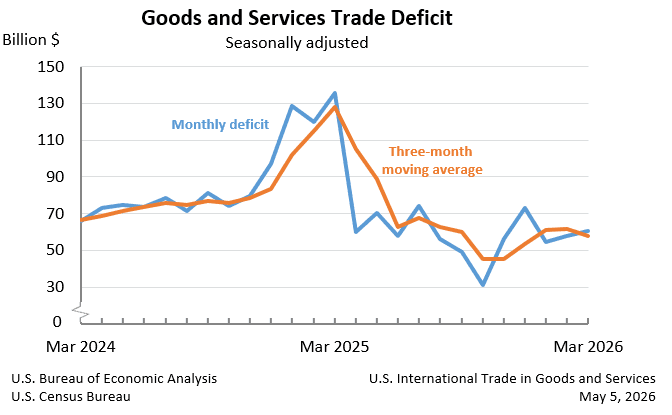
The widening trade deficit did not stay in Washington’s macroeconomic lane. It pointed to heavier import flow in March, and for The Home Depot that means more pressure on the supply chain work that keeps shelves full, special orders moving and customers from hearing “come back next week.”
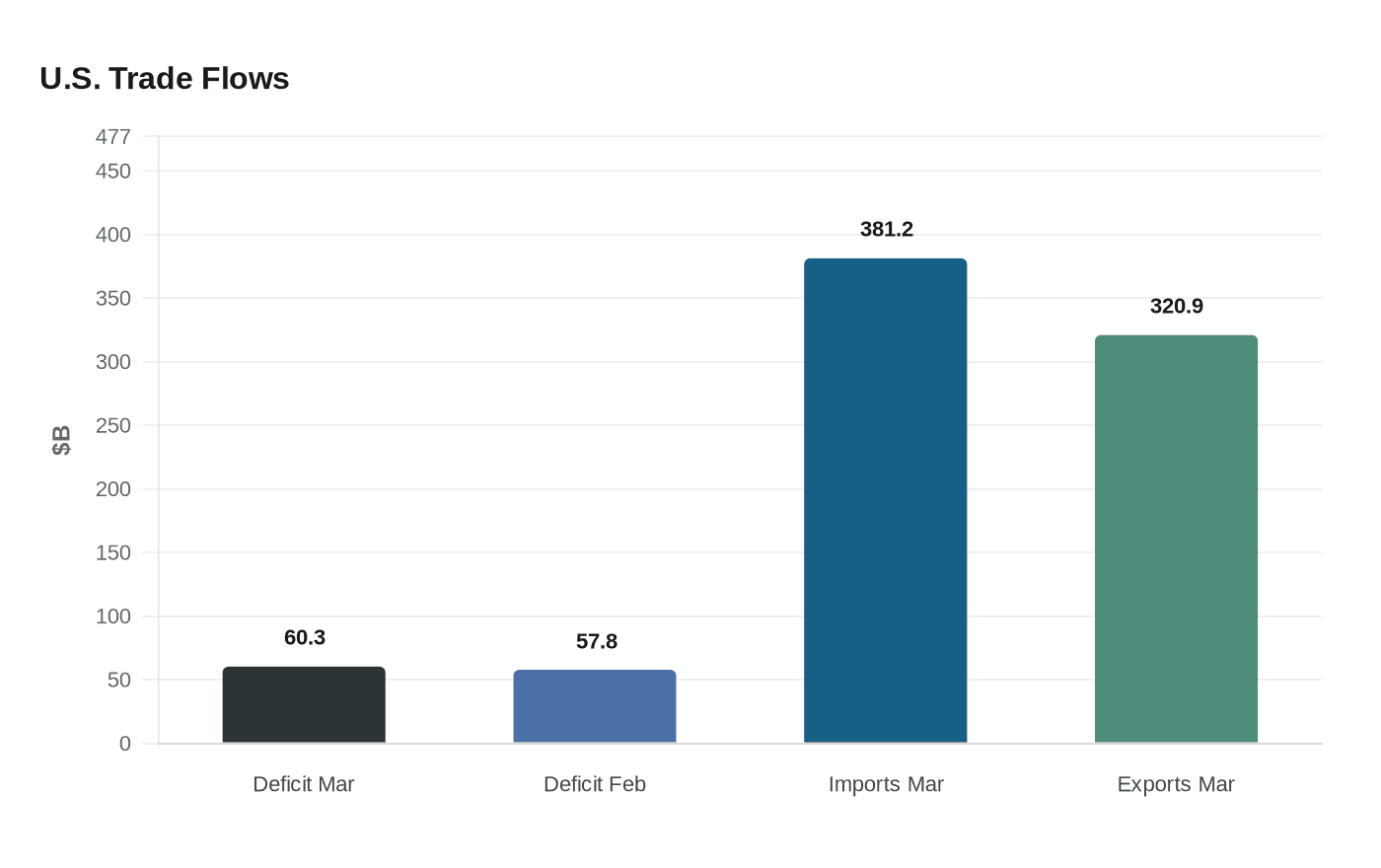
The U.S. Bureau of Economic Analysis said the goods and services deficit rose to $60.3 billion in March from $57.8 billion in February, as imports climbed to $381.2 billion and exports reached $320.9 billion. The goods deficit widened to $88.7 billion. For a retailer that sells appliances, tools, building materials, lawn and garden products, décor and facilities MRO items in stores and online, that matters because the mix of imported merchandise and domestic logistics shows up quickly in pricing, replenishment and on-shelf availability.
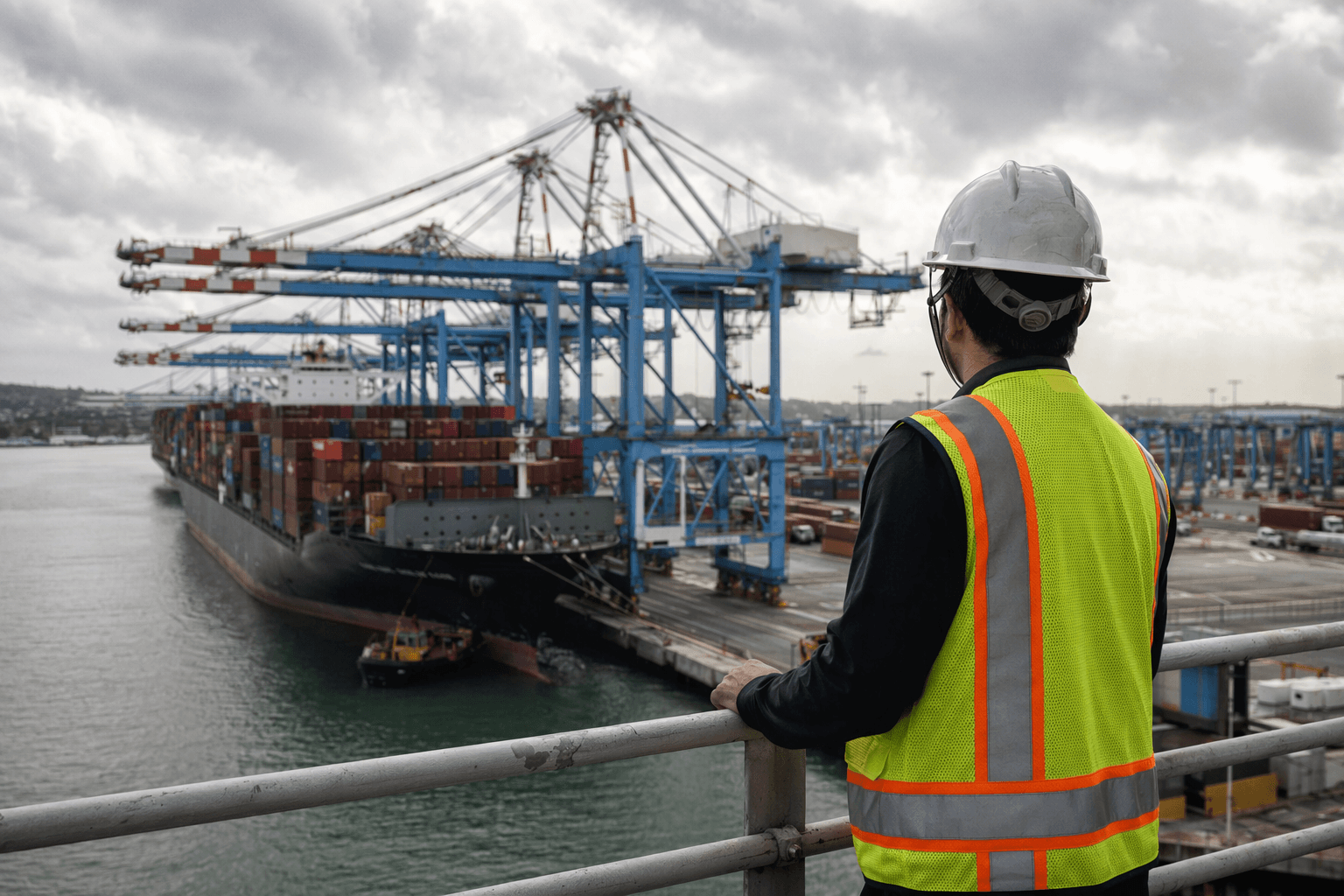
Home Depot says knowledgeable associates and on-shelf availability are critical to the store experience, and the company has spent years building a supply chain designed to speed delivery and reduce lead times. Its network includes 19 direct fulfillment centers and more than 2,300 retail stores in the United States, Canada and Mexico. That infrastructure is what turns port traffic into freight on the dock, cartons on the floor and product in a pro’s truck before the job starts.
The company also said in its first-quarter 2025 earnings transcript that it had worked with vendors for several years to further diversify its global supply chain. Home Depot said the vast majority of supplier partners developed diversified sourcing strategies across several countries, including the United States. That kind of sourcing spread does not erase import dependence, but it does help explain why store teams can sometimes see different lead times by category, by vendor and by origin.
For store leaders and department heads, the practical effect is less about the headline deficit than about the work it creates in receiving, freight and pro support. A wider deficit often means more product moving through ports and distribution centers, but it also raises the stakes if a container is delayed or a replenishment window slips. In a store, that can mean a missing special order, a backorder conversation at the pro desk or a customer coming back twice for the same project.
The BEA said the March trade release will be revised again in the June 9, 2026 FT-900 annual revision. Until then, the signal is clear: Home Depot’s shelves are tied to global trade flows, and the day-to-day reliability customers notice starts with how well those goods move from overseas suppliers into the dock, onto the floor and out to the jobsite.
This article was produced by Prism’s automated news system from verified source data, official records, and press releases, then run through automated quality and moderation checks before publishing. The system is built and supervised by the people who set the standards it runs under. Read our full AI policy.
Did this article answer your question?