Calenda cites KPMG review to defend Seif amid transparency row
Carlo Calenda is leaning on KPMG’s review of SEIF as a transparency fight over the publisher’s finances spills into politics and the newsroom.
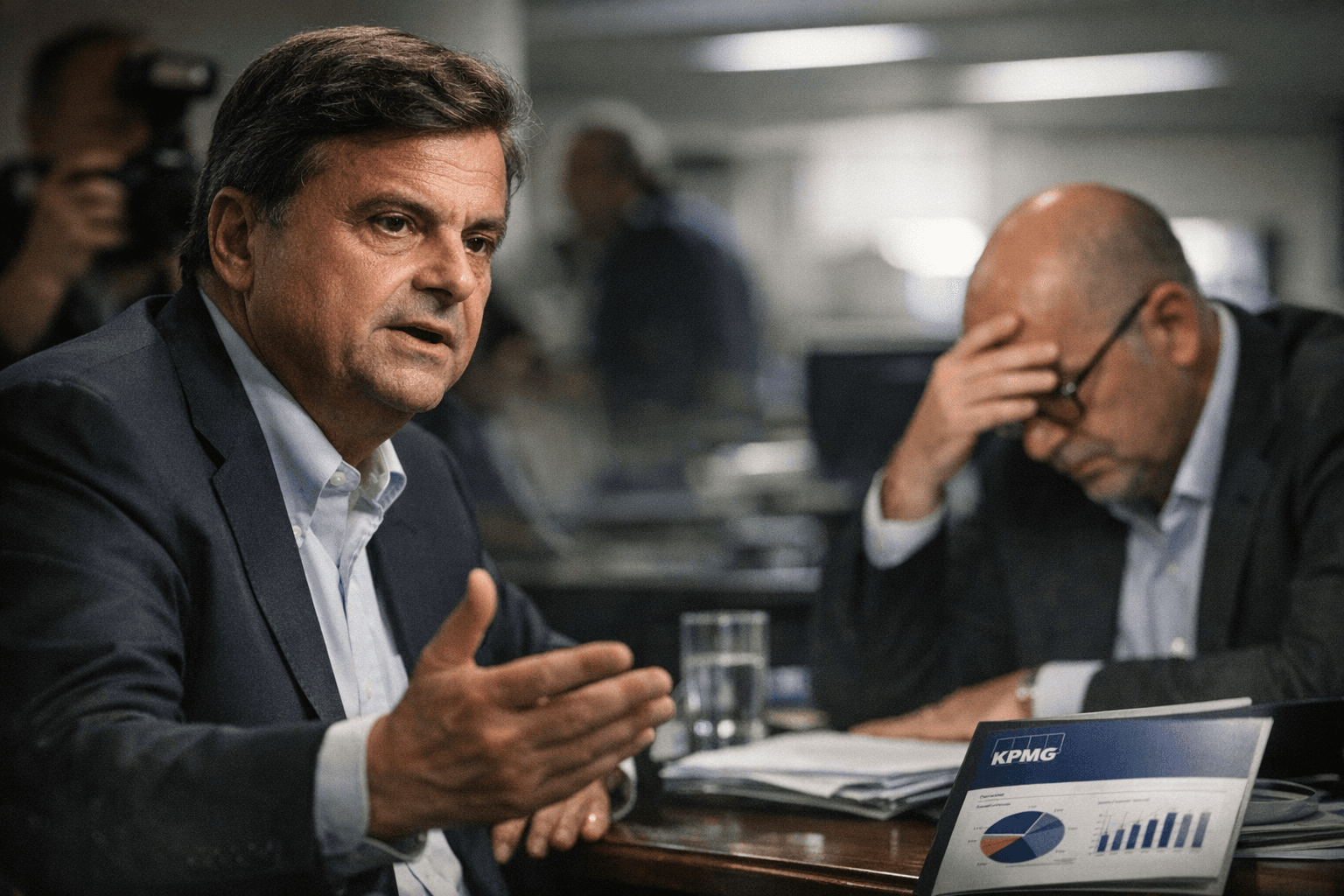
Carlo Calenda has turned KPMG’s review of SEIF into a political shield in a row that now reaches from balance-sheet scrutiny to editorial credibility. The Italian senator is citing the auditor’s certification of the Il Fatto Quotidiano publisher’s results to push back on accusations over transparency, even as the company’s own filing still flags a going-concern warning.
That tension matters because KPMG’s interim review did not deliver a clean bill of health in the way non-specialists might assume. The firm issued a positive limited-review opinion without qualifications on SEIF’s 2025 interim accounts, but it also included an emphasis of matter pointing to a going-concern disclosure, a material uncertainty that could cast significant doubt on the group’s ability to keep operating. In other words, the numbers were reviewed positively, but the report still told readers to pay attention to financing risk.
SEIF, formally Società Editoriale Il Fatto S.p.A., says it was founded in April 2009 and is led by Cinzia Monteverdi. The company publishes Il Fatto Quotidiano, ilfattoquotidiano.it, the monthly FQ Millennium and the Paper First book imprint, while also running Loft Produzioni and other media-content businesses. It has spent recent years trying to reposition itself as a broader media company, with diversification into digital, video and event-led work.
The latest reporting cycle sharpened the argument. SEIF published its annual reporting materials for the year ended 31 December 2025 on 15 April 2026, after Monteverdi described 2025 as a transition year centered on investment in innovation technology, digital development and content production. That management message stands in direct contrast to the public debate around debts and alleged anomalies, a debate that has been amplified by separate coverage of Calenda in Il Fatto Quotidiano during the same period.
The governance backdrop also matters for KPMG. SEIF’s 2024 financial statements were approved and KPMG was reappointed as auditor, extending a relationship that now sits inside a highly visible political and media confrontation. For employees, investors and clients watching from inside the Big 4, the case is a reminder that an audit opinion is rarely read only as a technical document. Once a company is under public attack, even a limited review becomes part of the fight over who gets to define trust.
Know something we missed? Have a correction or additional information?
Submit a Tip