Former KPMG chief warns fuel security crisis is hurting productivity
Paul Howes says refinery closures and imported fuel leave workers exposed to productivity losses, higher commuting costs and freight disruption.
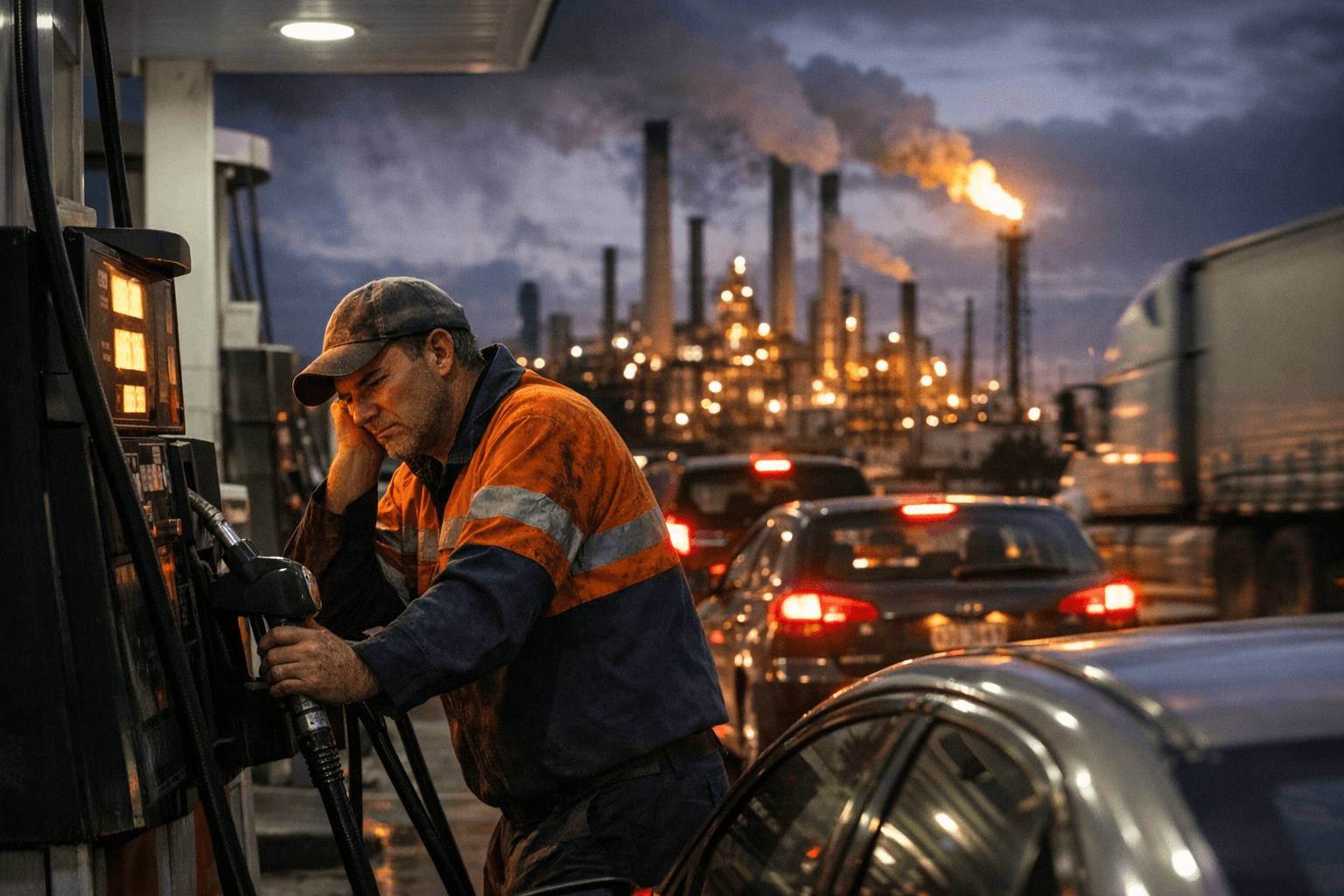
A former KPMG consulting chief is warning that Australia’s fuel insecurity is no longer just a policy problem, but a productivity problem that reaches into workplaces, commutes and supply chains.
Paul Howes, who led KPMG Australia’s Consulting practice before joining Tenet Advisory & Investments as chief executive, said the country’s long slide away from domestic refining has left employers and workers more exposed to shocks in shipping lanes, overseas refineries and regional conflict. Tenet said Howes spent 11 years at KPMG, and he took the Tenet job with a start date in January 2026 after being appointed in August 2025.
His warning lands as the federal government pushes its National Fuel Security Plan into stage 2. National Cabinet agreed to the plan on 30 March 2026, and the government says it has secured about 300 million litres of additional diesel, temporarily cut the Minimum Stockholding Obligation for petrol and diesel by 20%, and made up to 762 million litres available to the Australian market. It also halved fuel excise for three months from Wednesday 1 April, a move it says saves motorists about 26.3 cents a litre, while weekly stock data is now being published.
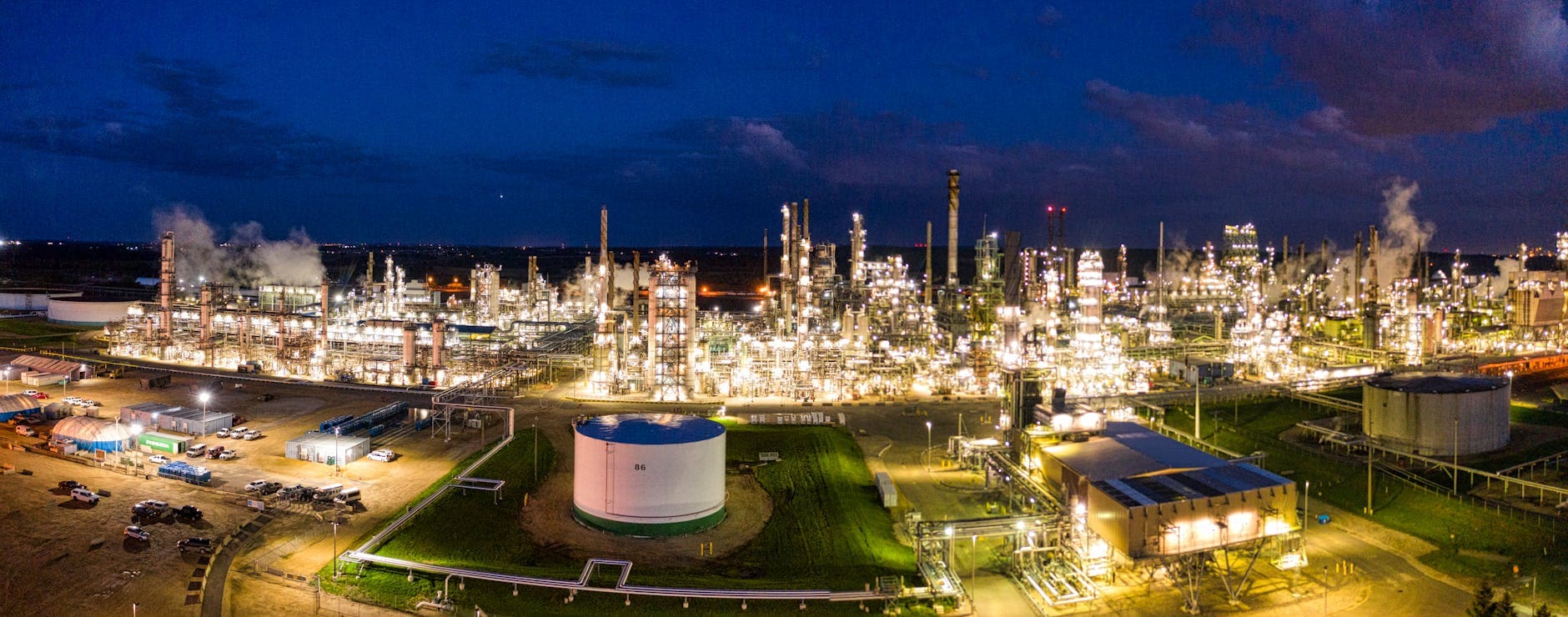
For employees, the immediate risk is not just the price at the bowser. Higher fuel costs hit commuters first, but the wider exposure shows up in freight delays, time lost to route disruptions, and extra pressure on businesses that depend on just-in-time deliveries. If transport operators have to absorb fuel volatility, that flows through to delivery schedules, project timelines and operating costs for firms already managing tight margins and, in KPMG’s world, demanding client deadlines and busy-season pressure.
The warning has a hard edge because Australia has spent years shrinking its refining base. Caltex said in 2012 it would close the Kurnell refinery by mid-2014 after 57 years in operation, and more than 300 jobs were cut as staffing fell from 430 to about 100. Ampol later converted Kurnell into Australia’s largest finished-product import terminal in a $200 million project. Parliament’s library has noted that Australia had seven operating refineries in 2010-11, but by 2020 that number had fallen to four, with Kwinana still due to close.
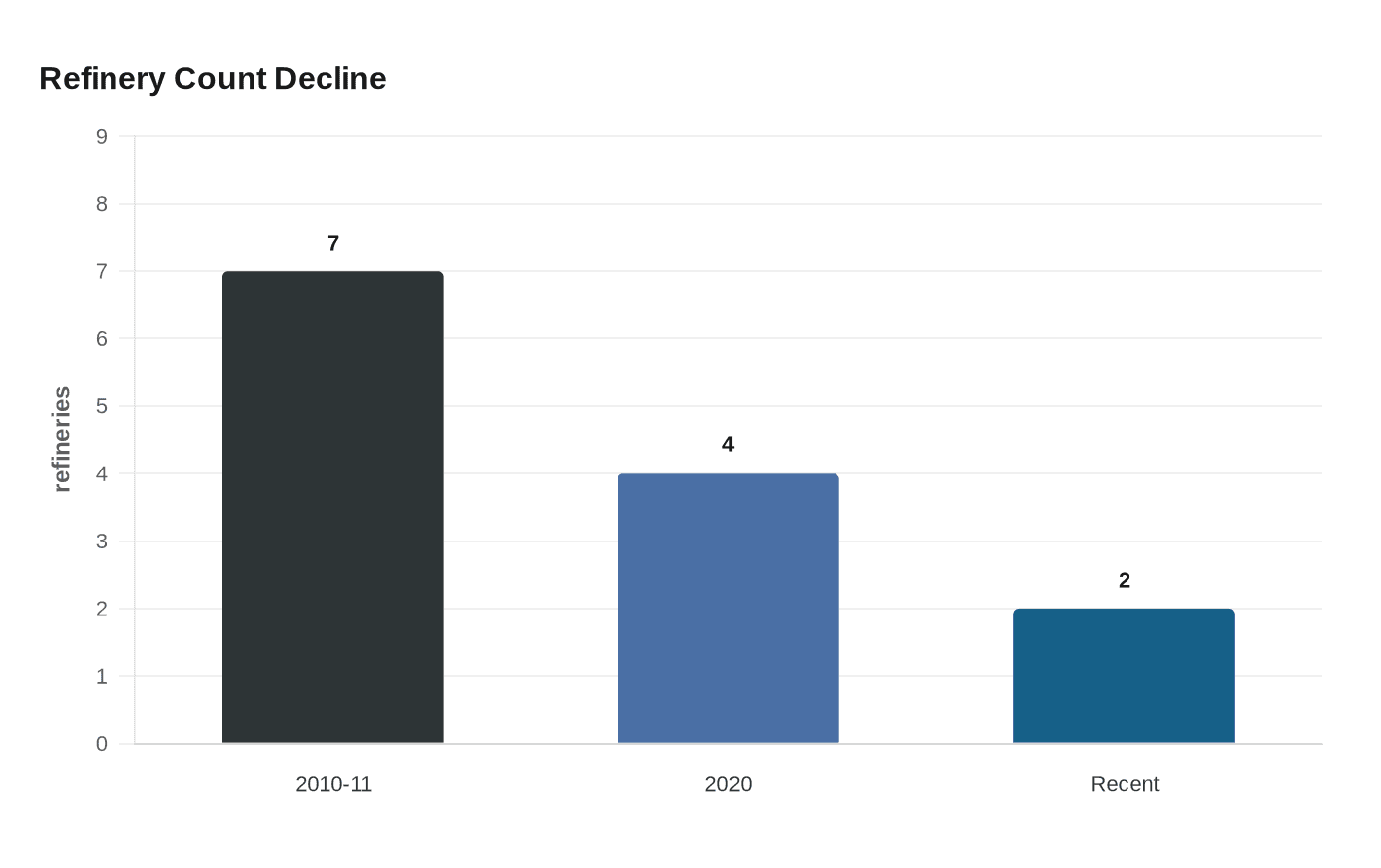
Recent reporting says only two refineries remain, at Geelong and Lytton, and that about 80% to 90% of Australia’s fuel is imported. That leaves little room for error if one plant goes offline or shipping routes are disrupted. Farmers have already said the national plan lacks detail on which sectors would be prioritised if shortages worsen, a gap that matters to employers far beyond the fuel industry itself. When fuel supply is fragile, productivity is too.
Know something we missed? Have a correction or additional information?
Submit a Tip