Former KPMG executive warns fuel uncertainty is Australia’s top sovereign risk
A former KPMG executive says fuel uncertainty is Australia’s biggest sovereign risk, with only two refineries left and 80% of liquid fuel imported.
Paul Howes, the former KPMG senior executive now at Tenet and once a union leader, has put fuel security at the top of Australia’s sovereign risk list, arguing that the country’s dependence on imported fuel is feeding a wider productivity malaise. For workers and employers, that warning is not abstract: it points to higher commuting costs, more fragile delivery chains and another drag on day-to-day business continuity if supply lines tighten again.
Australia’s fuel-security framework was tightened under the Fuel Security Act 2021, which brought in a minimum stockholding obligation that began on 1 July 2023. The same law also created a fuel security services payment designed to keep refineries operating until at least 30 June 2027. Even with those measures, Australia remains bound by the International Energy Agency’s rule that member countries hold oil stocks equal to 90 days of net imports, while official government data says Australia no longer keeps any oil stocks overseas under agreement.
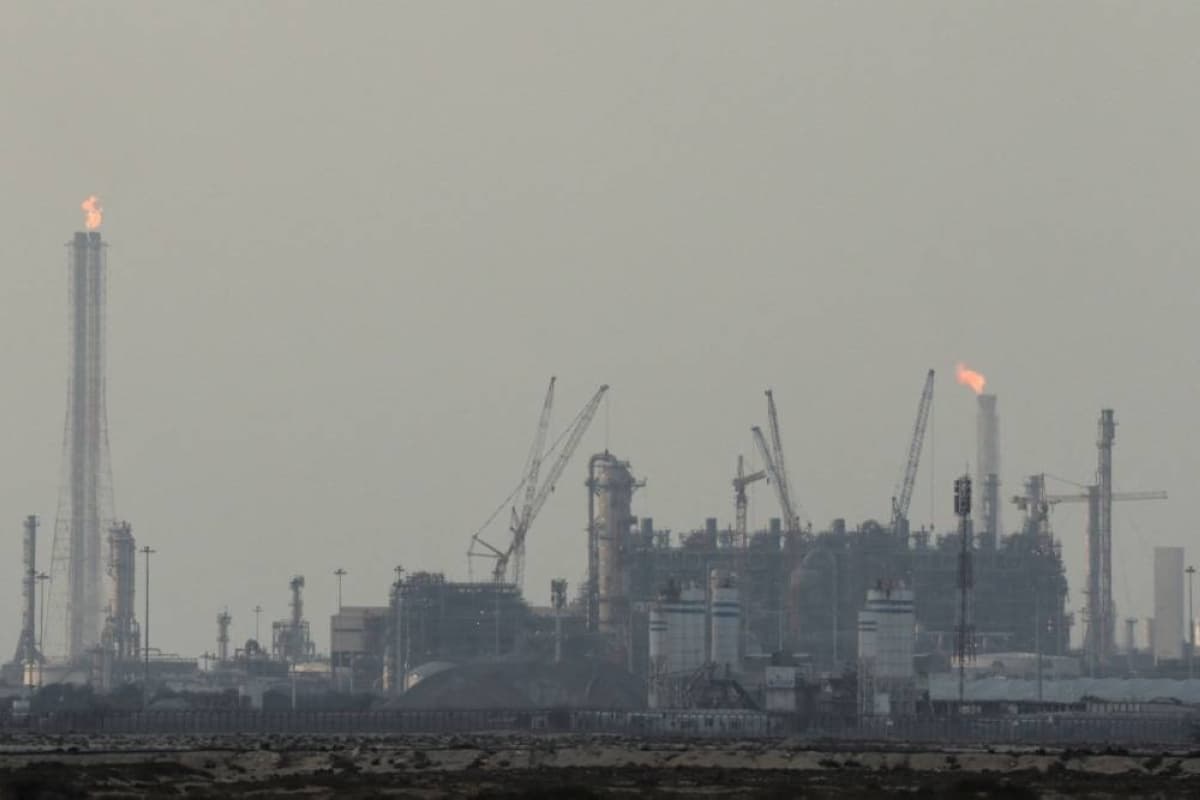
The scale of the exposure is stark. Australia now has only two operational refineries, and around 80 per cent of liquid fuel is imported. That leaves the economy vulnerable to disruptions far beyond domestic control, from shipping delays to conflict in the Middle East. In March 2026, the federal government released fuel from strategic reserves and temporarily eased fuel standards as it moved to cushion supply shocks linked to Middle East tensions.
The political and industrial backdrop matters because Australia has already lived through the consequences of refinery retreat. Caltex announced the closure of the Kurnell refinery in 2012, and the site was later converted into Australia’s largest fuel import terminal. Parliamentary reporting said Kurnell’s closure cut domestic refining capacity and left New South Wales without a refinery, a shift that still shapes the national debate over whether imports can be relied on in a crisis.
Warnings are spreading beyond the energy sector. Queensland Energy Minister David Janetzki said in March 2026 that fuel-security problems could hit daily life hard and warned agriculture could face significant disruption within days. That is the kind of shock that flows quickly into workplaces, from haulage and warehousing to field work, client travel and the cost of getting staff to the office.
Recent strain around the Strait of Hormuz has already forced Australia to draw on emergency supplies, underscoring how fast an overseas flashpoint can translate into domestic price pressure and supply risk. For professional services firms that depend on constant travel, client-site work and tight project timelines, Howes’ warning lands close to home: fuel security is no longer just an energy-policy issue, but a basic test of whether the economy can keep moving.
Know something we missed? Have a correction or additional information?
Submit a Tip